






















James Talarico Interview Pulled; Colbert Blasts FCC Fears on Air

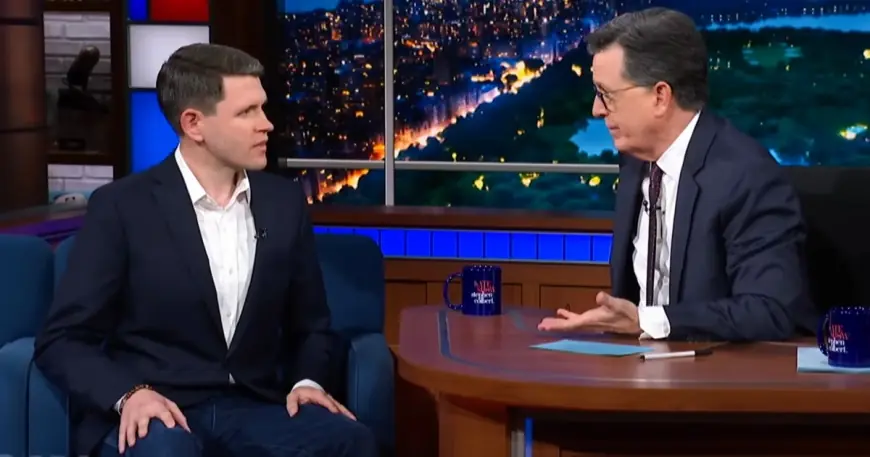
Stephen Colbert used his Monday night broadcast (ET) to call out his own network after it declined to air an interview with Texas state representative James Talarico. Colbert said network lawyers warned that hosting Talarico could trigger Federal Communications Commission scrutiny under the equal-time doctrine, and he spent the opening of his program challenging that decision and the regulatory posture behind it.
Colbert confronts network caution and the FCC's changing posture
Colbert told viewers the representative had been booked to appear but that the network's legal team intervened, barring the segment from airing. He added that he had also been told not to mention the cancellation on air — a restriction he openly flouted by leading with the controversy. The host framed the move as part of a widening effort by the FCC leadership to revisit long-standing exceptions for news and talk-show interviews with political figures.
The equal-time rule traditionally requires broadcasters to offer comparable air time to opposing political candidates when one appears on radio or broadcast television during an election. Colbert noted that news and interview programs have historically been exempted from that requirement, a carve-out that allows nightly talk shows and news programs to host candidates without forced parity. But he criticized a recent letter from the FCC chair that signaled a review of that exemption and warned that networks could face new obligations if the rule is tightened.
James Talarico: what the pulled segment revealed
James Talarico, a Texas state representative, was prepared to discuss his campaign and the broader political stakes in the state. In the unaired interview that the show's team later released online, Talarico argued the dispute illustrated a larger threat to free expression: he characterized regulatory pressure as an attempt to blunt criticism of the administration and to chill political speech on broadcast television.
On the segment, Talarico said that moves to subject talk shows to the equal-time rule would amount to a top-down form of censorship that could reshape what voters hear during election seasons. He tied the issue to nationwide debates over media oversight and to the political consequences of limiting when and where candidates can be heard without triggering counter-programming requirements.
Implications for broadcasters and political speech
The clash highlights two tensions. First, broadcasters face legal and reputational risk when regulators signal potential enforcement changes. Network lawyers, wary of penalties or political fallout, may opt for caution — even if that means scrubbing interviews that would historically have been routine. Second, the move spotlights how the interpretation of a decades-old broadcasting rule can have immediate campaign-season consequences.
Legal experts have long treated the equal-time rule as narrowly tailored to traditional broadcast media; cable and streaming have fallen outside its reach. Now, with a regulator publicly questioning the news-interview exemption, hosts and producers must weigh editorial priorities against the possibility of renewed scrutiny. For candidates like Talarico, the result can be fewer opportunities on major broadcast schedules during critical campaign windows.
The episode also raised procedural questions about internal network decision-making. Colbert's public confrontation over the cancellation placed pressure on executives and their legal teams to justify their stance, while amplifying debate about where editorial discretion ends and regulatory fear begins.
As the campaign season advances, the incident is likely to be cited by both broadcasters and political actors as evidence in the debate over how the equal-time rule should be applied, and whether talk shows should remain a forum where candidates and critics can appear without triggering mandatory counterprogramming. For now, the exchange between a late-night host and his network has become a flashpoint in a much larger conversation about media, law and politics.