























Ramadan events across north‑west England

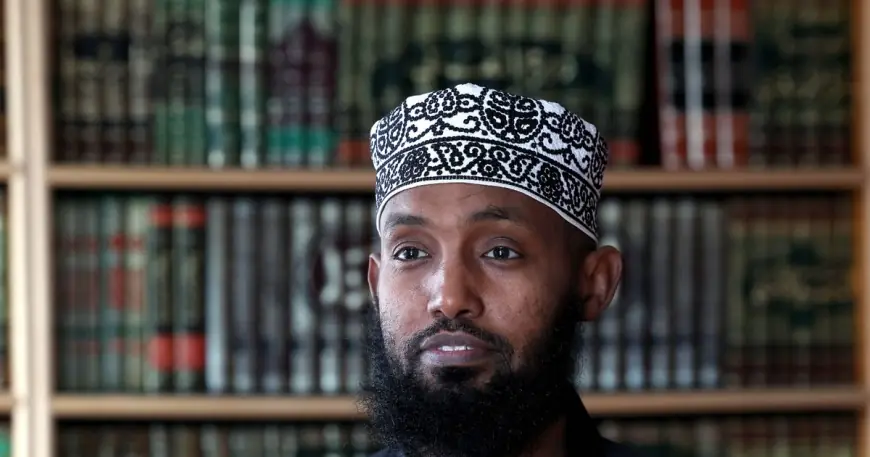
Ramadan begins later this week and communities across north‑west England are making final preparations for a month of fasting, prayer and charity. Mosques and community centres are organising nightly prayers and communal iftars, restaurants are adjusting service plans, and volunteers are lining up to feed people who might otherwise go without.
How the month will be observed locally
The holy month is expected to start at sunset on Tuesday, February 17 or Wednesday, February 18, 2026 — roughly 12: 30 PM ET when sunset occurs in the UK. The exact start will depend on the sighting of the new moon. Because the Islamic calendar is lunar and about 355 days long, Ramadan shifts back by roughly 10 days each year on the Gregorian calendar.
Fasting is observed from the beginning of dawn to sunset. In the UK this year those times translate to roughly 12: 00 AM ET (dawn) until about 12: 30 PM ET (sunset) on a typical day. The fast is intended for adults who are healthy enough; exemptions exist for people who are ill, travelling, pregnant, breastfeeding or menstruating, with the expectation that missed days may be made up later.
Across the north‑west there are around 560, 000 Muslims. They form a significant share of Greater Manchester's population and smaller but established communities in Lancashire, Merseyside, Cheshire and Cumbria. Mosques will host nightly special prayers throughout the month and will be hubs for community support, spiritual guidance and outreach.
Community iftars, volunteer efforts and local businesses
Community centres and mosques are preparing to feed hundreds of people each evening. One mosque in Rusholme has outlined plans to serve about 300 people at communal iftars, welcoming a range of attendees from students and families to those who live alone and asylum seekers. Volunteers from the local community typically provide much of the food and logistical support.
Organisers say the atmosphere at communal iftars is a major draw: shared meals, a sense of togetherness and an opportunity to remind people of the spiritual aims of Ramadan — self‑discipline, improved character and charitable behaviour. Practical preparations emphasise ground control, security, health and safety to ensure events run smoothly throughout the month.
Local restaurant districts that are popular with Muslim diners are also preparing. Some food businesses face extra pressure during Ramadan nights when diners arrive for iftar; in previous years, changes in the season required late opening hours, though this year the calendar is kinder with iftar likely to fall closer to typical dinner times.
Food traditions and simple nutrition for breaking the fast
A customary way to break the fast is with dates and water. Dates are recommended both for religious tradition and for practical nutrition: they contain simple sugars that raise blood glucose quickly after a long fast, alongside more complex carbohydrates that provide sustained energy. They are also a source of vitamins such as B6, A and K, iron and dietary fibre, and they help restore some fluid balance after the day without drinking.
Nutritionists note that starting iftar with dates and water can reduce the impulse to overeat, as digestion begins and the body registers intake. However, eating patterns across the evening vary widely; some people lose weight during Ramadan while others gain weight if large meals and rich foods are consumed after sunset.
The month ends after 29 or 30 days with the festival of Eid al‑Fitr, a public celebration of community, prayer and charity. For the north‑west, as elsewhere, Ramadan remains a deeply social period as well as a religious observance — one that sees mosques, volunteers and local businesses working together to meet spiritual and practical needs.