

























Lent 2026: Ash Wednesday on Feb. 18 draws packed pews as faithful mark season of penance

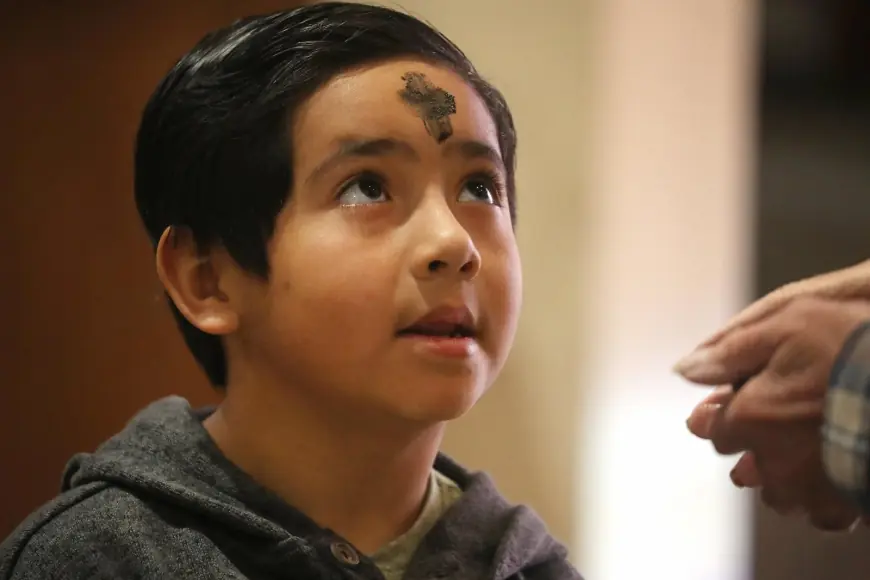
Ash Wednesday begins the Lenten season on Wednesday, Feb. 18, 2026 (ET), and churches are preparing for large turnouts as worshippers line up for the sign of ashes. For many, the ritual is both a public identity marker and a solemn reminder of mortality that kicks off 40 days of fasting, prayer and reflection leading up to Easter.
Why Ash Wednesday draws crowds
The unmistakable smudge of ashes on the forehead remains a powerful public symbol. Jesuit Father Bruce Morrill, a theology professor and chair of Roman Catholic Studies, says the ritual often functions as a clear, outward statement of belonging. "For many people, it is a very clear identity marker that they’re Roman Catholic, " he said, noting younger worshippers frequently express enthusiasm for the visible sign.
That visible marker is not limited to one denomination. Episcopalians, Lutherans and other Christians also distribute ashes, so the sight of sooty foreheads on city streets or in workplaces can represent a broader Christian observance. For those who receive ashes, the gesture is meant to prompt reflection on mortality and sin—two themes that are tightly intertwined in the Lenten calendar.
Morrill observes that while the rush for ashes is unmistakable, it does not always correspond with a surge in sacramental confession. Even so, the ritual resonates: "It’s a symbolic ritual action that speaks to them, " he said, underscoring how a simple external sign can open the door to interior penance for many participants.
Key dates and the meaning behind the ashes
Ash Wednesday on Feb. 18, 2026 (ET) begins 40 days of Lenten observance that conclude on Thursday, April 2, 2026. Good Friday will fall on April 3, 2026 (ET), and Easter Sunday on April 5, 2026 (ET). For those who follow the Eastern church calendar, Great Lent runs slightly later, from Feb. 23 through April 11 in 2026.
The ashes themselves carry layers of history. Traditionally prepared from the previous year’s Palm Sunday palms, the practice of imposing ashes on penitents has roots that extend many centuries and was linked historically to the discipline of public penance. Over time, the gesture evolved into a communal rite intended to evoke human fragility and the need for redemption.
Liturgical guidance emphasizes that the use of ashes is more than a visual custom. It is intended to symbolize an attitude of internal penance and to dispose the faithful toward conversion and renewed commitment for Easter. The Lenten journey pairs the sobriety of self-examination—confronting themes like death, judgment and sin—with an anticipatory hope for renewal as spring approaches.
What worshippers can expect this year
Parishes typically schedule multiple services on Ash Wednesday to accommodate the influx of worshippers, offering both full Masses and shorter services with distribution of ashes. Many churches also emphasize pastoral accompaniment: the ashes should be an invitation to deeper spiritual practice across the six weeks of Lent, not merely a one-time, outward sign.
Whether sought as a personal act of penance, a public profession of faith, or a seasonal ritual that connects faith with the rhythms of nature, Ash Wednesday continues to draw large, diverse crowds. This year’s earlier start to the season places Ash Wednesday squarely in February, making Lent and the approach to Easter feel both immediate and pressing for communities nationwide.