






















Bombay braces for aerial revolution as high‑altitude helicopter plan promises new filmmaking opportunities

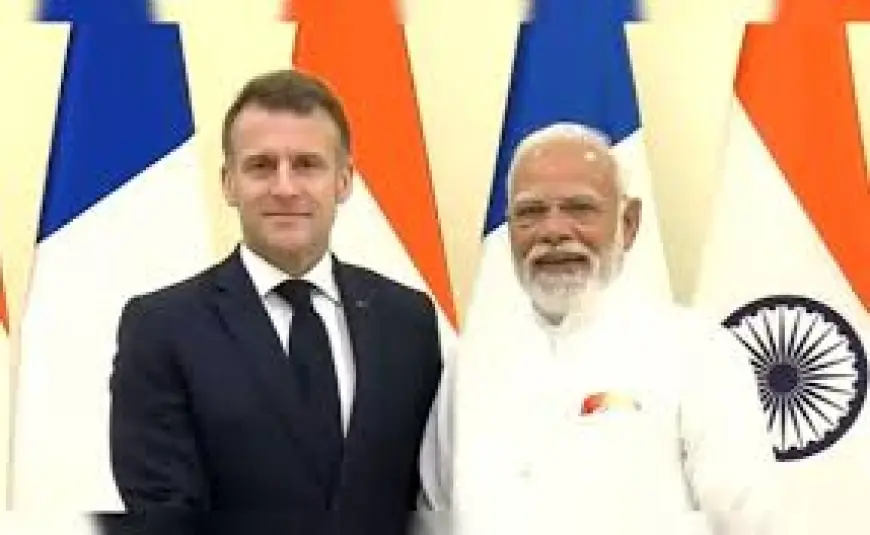
Intro: On Feb. 16, 2026 (ET), the prime minister unveiled a plan for India and France to jointly manufacture a helicopter capable of flying to Mount Everest heights. The announcement has already stirred interest in Bombay’s film community, where producers and technicians are weighing what high‑altitude aerial capability could mean for location shoots, logistics and the economics of blockbuster filmmaking.
High‑altitude choppers open new creative and logistic possibilities for Bombay
The prospect of a purpose‑built helicopter that can safely operate in the thin air above the world’s highest peaks promises to broaden the palette available to directors and cinematographers based in Bombay. A machine designed to reach Everest altitudes would offer a reliable way to transport specialized camera teams, film rigs and safety crews to remote Himalayan locations without the extreme cost or delay associated with large fixed‑wing operations or lengthy trekking stages.
For an industry that prizes sweeping aerial vistas and authentic location work, the ability to schedule shoots closer to peak weather windows—rather than relying solely on composites or second‑unit stock footage—could change the visual grammar of mainstream productions. Producers in Bombay are already imagining action sequences, panoramic establishing shots and intimate character moments shot in regions previously deemed inaccessible, which could raise production values and international appeal.
Beyond aesthetics, local manufacturing of the helicopters could generate supply‑chain benefits for the broader creative economy. Component fabrication, avionics maintenance and pilot training could create high‑skill jobs and spur specialist service providers in and around the metropolitan region historically known as Bombay, positioning the city as a hub for aerial cinematography expertise in South Asia.
Access hurdles, client demands and commercial realities temper immediate uptake
Despite the enthusiasm, several practical obstacles stand between the announcement and a rush of Himalayan shoots. Filmmaking in extreme environments requires complex regulatory clearance, bespoke insurance policies and rigorous safety protocols. Producers in Bombay will need to negotiate landing rights, altitude permits and coordination with local authorities—processes that frequently extend production schedules and inflate budgets.
Financial and contractual pressures also loom large. Recent commercial disputes and client negotiation challenges in the industry underscore how sensitive big‑budget shoots are to unexpected costs and shifting timelines. Studios and financiers are likely to press for ironclad clauses around weather delays, force majeure and liabilities tied to high‑altitude operations, raising the bar for producers who hope to make ambitious field shoots commercially viable.
Complicating matters further, a recent online access error disrupted distribution of some briefings and background material tied to the announcement, leaving crews and industry planners facing gaps in the publicly available technical specifications. That digital hiccup has slowed risk assessment and procurement conversations, prompting some production houses in Bombay to proceed cautiously until full operational details and certification timelines are published.
What comes next for Bombay’s film ecosystem
In the near term, expect a phased response. Pre‑production teams will likely prioritize training, simulation and scouting using virtual production tools while insurance markets and regulators align on frameworks for high‑altitude aerial work. Mid‑sized productions may experiment with short test shoots and second‑unit integrations, and larger studios could wait for clearer cost‑benefit signals.
Longer term, if the helicopter project reaches industrial scale and certification, Bombay stands to gain a competitive edge. The city’s pool of visual effects houses, stunt coordinators and aerial camera specialists could evolve to meet new demand, exporting talent and services across the region. For now, the announcement is a compelling invitation: a technical breakthrough that could remake how Bombay tells big stories—if the practical and commercial challenges can be negotiated successfully.