























Prince William’s Earthshot Prize to be hosted in Mumbai (Bombay) in November 2026

Mumbai — long known historically as Bombay — will stage the Earthshot Prize awards ceremony in November 2026 (ET), organisers have announced, marking the first time the global environmental awards will be held in India. The move is billed as a major moment for climate action in the country and is expected to draw environmental leaders, investors and philanthropists from around the world.
Why Mumbai was chosen and what it could mean for India
The Earthshot Prize, founded in 2020, awards £1 million apiece to five winners each year for practical solutions addressing climate and nature challenges. Organisers say the prize is structured around five themes — protecting and restoring nature; cleaning the air; reviving oceans; building a waste-free world; and fixing the climate — and is intended to back solutions that can be scaled rapidly.
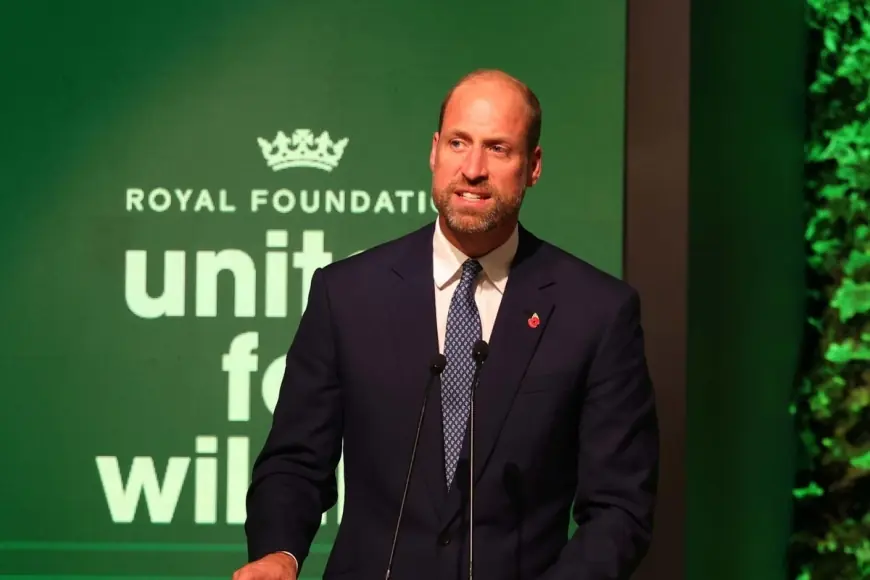
Prince William said the selection of Mumbai reflects India’s global importance on climate and nature. “We must continue to look to the future with urgency and optimism, which is why I am delighted that Mumbai will host The Earthshot Prize 2026. India is one of the world’s most important forces for climate and nature. What succeeds in India at scale has the power to inspire progress everywhere, ” he said. He added that India’s young population creates momentum to “not only imagine a better future, but to inspire change and make it a reality. ”
Devendra Fadnavis, chief minister of Maharashtra state, welcomed the announcement as an opportunity to shine an international spotlight on the region’s climate initiatives. He described the Earthshot Prize as the world’s most prestigious environmental award and said hosting it in Mumbai will highlight India’s commitment to turning climate goals into action on the ground.
India’s track record with Earthshot innovators
India has produced more Earthshot finalists and winners than any other country. Past Indian winners include innovators such as S4S Technologies, which deploys solar-powered dryers to cut food waste; Boomitra, which creates verified carbon-credit markets to incentivise soil restoration; Kheyti, known for its low-cost “greenhouse-in-a-box” for smallholder farmers; and Takachar, which develops technology to reduce emissions from burning agricultural waste.
Since its launch, the prize has identified more than 5, 600 environmental innovations from 156 countries and awarded a total of £25 million to winners. Organisers note that finalists have collectively attracted more than $500 million in investment and philanthropic support to scale their projects — a key performance indicator for the decade-long push to accelerate solutions before 2030.
What to expect ahead of the November ceremony
The awards night in November 2026 (ET) will bring together finalists, investors and policymakers who have been part of the Earthshot network across its previous host cities. Past ceremonies have taken place in capital and coastal hubs around the world, and the Mumbai event will be the sixth major awards night in the initiative’s first six years.
Organisers say the announcement was timed to coincide with Mumbai’s inaugural Climate Week, a gathering intended to mobilise action across science, business, politics and the arts. The ceremony is expected to generate a series of surrounding engagements, from panels and pitch sessions to investor meetings that aim to help winning projects scale rapidly in India and beyond.
There is also public interest in whether senior members of the prize’s founding leadership will travel for the event. The Earthshot Prize has in the past drawn high-profile attendees to its ceremonies, and the Mumbai staging is likely to be accompanied by outreach intended to expand the prize’s reach across the Global South.
For India, hosting the Earthshot Prize in Mumbai represents both symbolic recognition and a practical opportunity to showcase homegrown climate innovation on a global stage — and to accelerate the translation of pilot projects into large-scale solutions ahead of the 2030 deadline.