
























Eurovision 2026: Look Mum No Computer to represent UK in Vienna

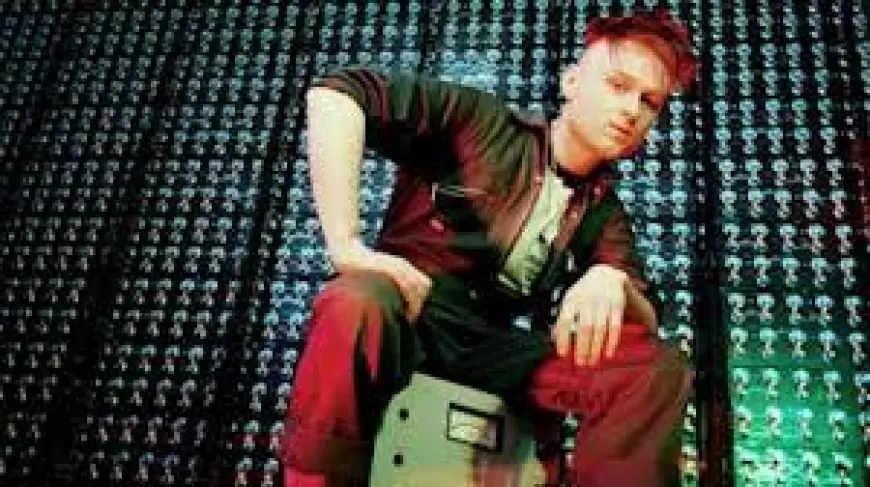
Electronic musician, inventor and content creator Look Mum No Computer has been selected to represent the United Kingdom at the Eurovision Song Contest in Vienna in May 2026 (ET). The announcement spotlights an artist known as much for building unusual instruments and experimental sound sculptures as for his songs — including a Guinness World Record for the world's largest drone synthesizer.
From indie frontman to synth inventor
Sam Battle first made waves on the music scene as frontman of the indie band Zibra in 2014, and went on to develop a solo persona that fuses songwriting with hands-on electronic invention. Now based in Kent, he has built a profile that spans music, restoration projects and a museum dedicated to experimental and obsolete technology in Ramsgate. His combined social following runs into the millions.
Battle has become known for creating striking, idiosyncratic instruments: organs made from Furby toys, modified Game Boys, a synthesiser bicycle and even flame-throwing keyboards. Those projects are not novelties alone; they feed into a practice that pairs visual spectacle with analogue circuitry and DIY engineering. He has said he finds the prospect of joining Eurovision ‘‘completely bonkers’’ and that he will bring ‘‘every ounce’’ of his creativity to the performances.
A bold, intentionally weird pivot for the UK
The decision to pick an experimental electronic artist represents a deliberate shift from safe, mainstream choices of past years. The broadcaster's selection came through an internal process that involved industry experts and the head of entertainment praised the pick as emblematic of creativity, ambition and a cheeky British wit. She described the artist's work as bold and unforgettable and expressed confidence that the entry will make a strong impression on the international stage.
Reaction to the choice has been framed as an embrace of risk. A national radio DJ who heard the unreleased song described it as a blender of influences: imagine high-energy Eurodance hooks, Britpop swagger, synth-pop melodicism and a dash of irreverent theatricality — a cross between clubland anthemry and tongue-in-cheek spectacle. That mix, the DJ said, produces a big, arena-ready anthem pitched to stand out in a crowded and eclectic field.
What to expect in Vienna in May 2026 (ET)
Details of the track and staging remain under wraps for now, but the prospect of handmade instruments and a machine-driven live show signals an entry that will lean heavily on visual invention as well as sonic idiosyncrasy. The artist’s past live sets have paired DIY electronics with exuberant performance, and fans can likely expect elaborate props, bespoke synth rigs and energetic choreography tailored to an arena environment.
The contest arrives amid a fractious year for the event, with several nations announcing boycotts and broader questions around viewing figures and engagement. For the UK, recent years have produced mixed results, and this selection reads as an attempt to disrupt expectations rather than repeat past formulas. The gamble is simple: stand out or fade into the background. The choice of an experimental electronic inventor signals the intention to do the former.
Whether the entry's homemade odyssey will convert Eurovision voters remains to be seen. For now, the announcement has already sparked debate about what a modern national entry should look like — and it has turned a spotlight on an artist who builds instruments out of toys, bikes and drones and then turns them into pop spectacle. If nothing else, the UK will arrive in Vienna with something its delegation promises is unmistakably its own.