
























Colbert Calls Out Network Over Canceled James Talarico Interview

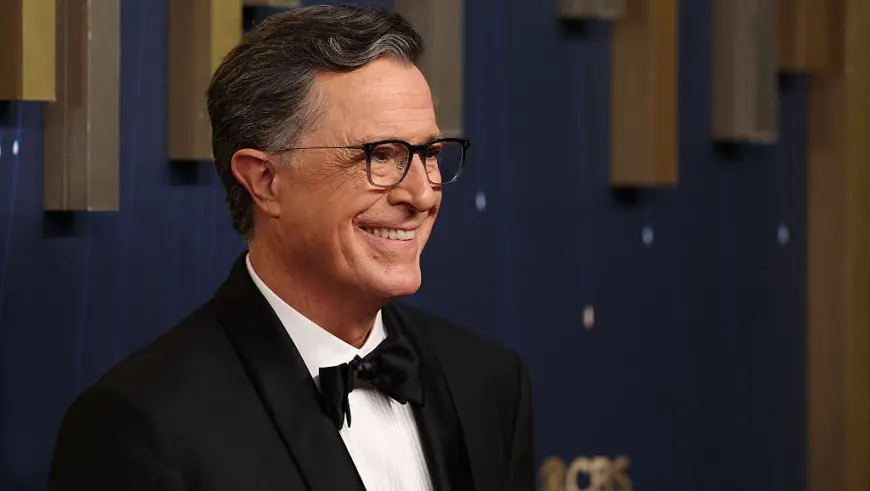
Stephen Colbert used his late-night platform to blast his network after a scheduled Feb. 16 broadcast appearance by Texas state representative James Talarico was pulled. Colbert said network lawyers forbade the interview and even instructed the program not to mention the cancellation, prompting the host to address the decision on air.
What Colbert said on air
On Monday’s broadcast (Feb. 16, ET), Colbert told viewers that the show had been ordered not to book Talarico, a Democrat running in a crowded Senate primary. He said the directive came directly from network lawyers and added that he had also been told the program could not explain or discuss the absence on air. Colbert defied that instruction, devoting a segment to both Talarico’s missing appearance and the legal rationale he was given.
Colbert framed the network’s action around the long-standing FCC "equal time" principle for broadcast outlets, quipping about the rule’s oddities and recalling that interview and talk shows traditionally enjoyed an exemption. He cited a January letter from the FCC chair that signaled a narrowing of that exemption for talk shows judged to be "motivated by partisan purposes, " and accused regulators and the administration behind them of a politically driven move to limit criticism on broadcast television.
The host also suggested the interview may have actually been conducted but withheld from the telecast. Colbert, who is set to leave his late-night program in May, used sharp humor to cast the decision as a form of censorship aimed at voices critical of the current administration.
FCC guidance and the equal-time debate
The equal-time doctrine governs broadcast stations and radio, requiring them to offer equivalent airtime to opposing candidates in an election under certain circumstances. Historically, interviews and news programming have been carved out from strict application of the rule, allowing politicians to appear on talk shows without triggering automatic equal-time obligations.
But the guidance issued by the FCC chair in January signaled a willingness to revisit that long-standing exemption, raising uncertainty about whether interviews on broadcast talk shows could be treated as campaign appearances that demand equivalent access for opponents. That shift has alarmed hosts and producers who rely on broadcast distribution and has now led to friction between programs and their legal teams, who must weigh regulatory risk before airing politically charged segments.
Colbert framed the guidance as selective enforcement that could chill political speech, charging that restricting bookings of critics of prominent figures would amount to privileging sympathetic voices. The move has further complicated the editorial calculus for broadcast outlets during an election year, especially for programs that mix comedy with political interviews.
Where this leaves James Talarico and the campaign
James Talarico, a state representative from Texas, is contending in a competitive primary against a fellow member of Congress. An appearance on a national late-night broadcast would have given the campaign a high-profile platform at a critical moment. With the interview blocked, campaign strategists must recalibrate outreach plans and rely on other media channels not subject to the same broadcast constraints.
The dispute also raises questions about how networks, their legal advisers, and federal regulators will navigate political programming in the months ahead. For now, Colbert’s public ire has drawn attention to the issue, forcing the conversation about how equal-time rules are applied into late-night television’s open forum—precisely the place his network tried to keep it out of sight.