























Ramadan events set to mobilise communities across north‑west England

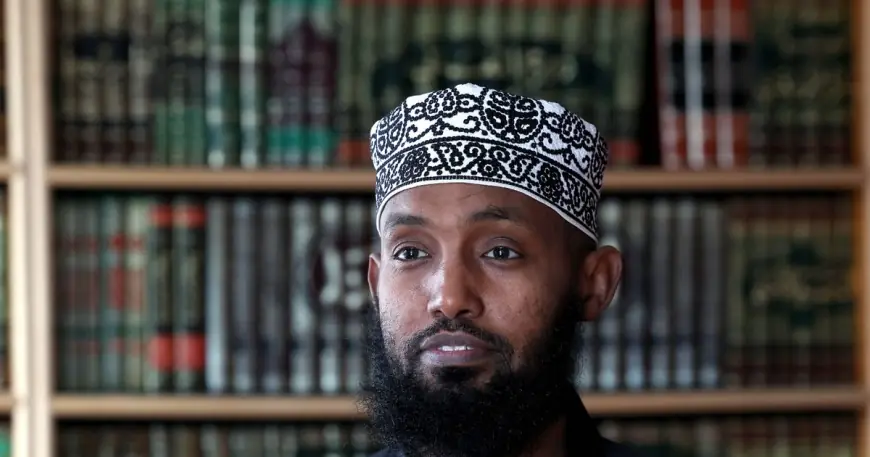
Ramadan is due to begin later this week, and communities across north‑west England are gearing up for a month of fasting, nightly prayers and a busy calendar of communal iftars and charity work. Mosques and community groups are finalising logistics to support people who will break their fast together and to provide services for residents in need.
When the fast starts and what to expect daily
The holy month is expected to commence at sunset on Tuesday, February 17 or Wednesday, February 18, 2026, depending on the sighting of the new moon. In Eastern Time this means the sunsets that mark the start of the first day will take place around 12: 30 PM ET. Each fasting day traditionally begins at dawn and ends at sunset; converted from local times commonly used in the UK, dawn falls at roughly 12: 00 AM ET and sunset around 12: 30 PM ET. The month will last 29 or 30 days and conclude with the festival of Eid al‑Fitr.
Fasting is observed by healthy adult Muslims who abstain from food, drink, smoking and sexual relations between dawn and sunset. Exemptions apply for people who are unwell, travelling, pregnant, breastfeeding or menstruating; those who miss fasts are commonly expected to make them up later if they are able. Beyond abstinence from food and drink, Ramadan places strong emphasis on prayer, reflection and acts of charity.
Local preparations: mosques, kitchens and the Curry Mile
Across the north‑west, roughly 560, 000 people identify as Muslim, concentrated especially in Greater Manchester and Lancashire. In urban centres, mosques are a hub for both spiritual life and practical support during Ramadan. Several community centres have organised daily iftars that serve hundreds of people, including lone residents, students and refugees. Volunteers handle cooking, distribution and health and safety arrangements so communal meals can run smoothly each evening.
Organisers say logistical planning covers food hygiene, crowd control and a safe environment for families. Spiritual leaders and management teams also use the month to remind attendees about the personal aims of fasting: improving character, practising patience and presenting Islam thoughtfully to the wider public. That blend of practical care and moral teaching is often highlighted as the core of Ramadan activity.
Local food businesses along the city’s well‑known restaurant strip are adjusting to a lively evening trade. In past years, when Ramadan fell in summer, late iftars required extended opening hours; this year’s calendar is kinder to traders with many iftar times close to usual dinner hours. Restaurants specialising in regional cuisines expect a surge of diners who come together to break the fast and catch up with family and friends.
Health, tradition and community impact
Traditional foods such as dates are commonly used to break the fast. Dates provide a quick source of sugar to raise blood glucose, plus fibre and micronutrients that help sustain energy. Nutrition guidance for the month encourages balanced iftar meals and hydration after sunset to avoid digestive issues or unintended weight changes that can occur if evening portions are excessive.
Beyond the meals, Ramadan prompts a significant increase in charitable activity. Mosques and community groups coordinate food collections, distribution to households in need and targeted support for vulnerable residents. For many volunteers, the month is a chance to reinforce community ties and demonstrate practical solidarity with neighbours of all backgrounds.
As the month progresses, expect a steady programme of nightly prayers at mosques, communal meals, and outreach efforts that aim to ensure everyone who wants to participate can do so with dignity and safety. The conclusion of the month with Eid al‑Fitr will bring large public prayers and celebrations, marking the end of fasting and a return to everyday routines.