
























Independent Researchers Reassert Claims That Kurt Cobain’s 1994 Death May Have Been Staged

Independent forensic investigators have published a fresh analysis challenging the 1994 finding that Kurt Cobain died by suicide. The team says a review of autopsy files, toxicology results and crime‑scene photographs is more consistent with a staged homicide, while health and law enforcement officials continue to uphold the original ruling and say the case remains closed.
New scrutiny of old evidence
The research group, led by a forensic specialist and an independent investigator, examined the available autopsy documentation, toxicology data, crime‑scene imagery and police files. They contend those materials suggest an alternative scenario in which the Nirvana frontman was incapacitated with a heroin overdose and then shot, with the scene arranged to appear self‑inflicted.
The team highlights several elements they view as unusual: the presence of a receipt for ammunition in Cobain’s pocket, a row of shells positioned near the body and drug paraphernalia that appeared to be capped and set aside. The investigators argue that such placements are inconsistent with the actions of someone actively dying from a heroin overdose and then taking their own life, and say those observations support the possibility of third‑party involvement.
They also critique the interpretation of toxicology findings, noting that a high level of heroin was recorded in the autopsy report but that the medical examiner concluded the gunshot was the direct cause of death. The researchers say the combination of toxicology and the crime‑scene presentation warrants renewed scrutiny.
Officials stand by original ruling
King County health officials maintain that the medical examiner’s office conducted a full autopsy, worked with local law enforcement, and followed established procedures when determining the manner of death as suicide. The office has emphasized that autopsy records are private under state law and can only be released by next of kin, while also saying it remains open to revisiting conclusions if new, substantive evidence emerges.
Law enforcement continues to consider the death closed as a suicide. In past years, investigators reviewed the case and released additional crime‑scene and firearm photographs as part of routine responses to public interest. Those steps have not prompted a formal reopening of the investigation.
What remains unsettled
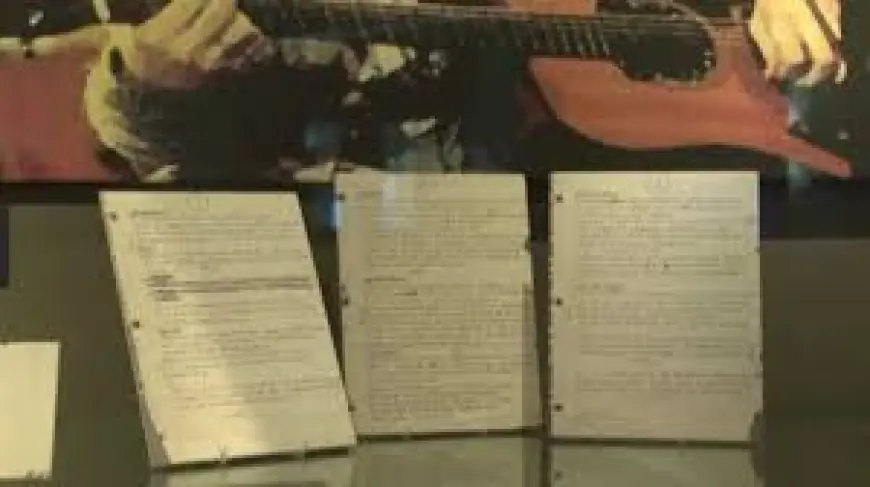
Kurt Cobain died on April 5, 1994 (ET) and was found at his Seattle home three days later on April 8, 1994 (ET). The combination of his cultural stature, the circumstances of his death and the presence of a handwritten note have fueled decades of debate and conspiracy theories. Independent critiques, like the recent one, revive those controversies by reinterpreting the same set of materials long held by authorities.
Experts who review cold cases caution that reanalysis can sometimes uncover new leads, but they also note the limits of working only from copies of records and photographs rather than fresh physical evidence or witness testimony. The independent researchers say their aim is to prompt a reexamination of the files; officials say they have not seen evidence that would justify reopening the matter.
The renewed assertions ensure the Cobain case remains a subject of public fascination and scrutiny. For now, the official certification of death as suicide stands, while the newly public critique keeps alive questions about what happened in the days leading to the musician’s death.