























Julian Oxborough Lidl dismissal upheld after worker drank 17p bottle of water

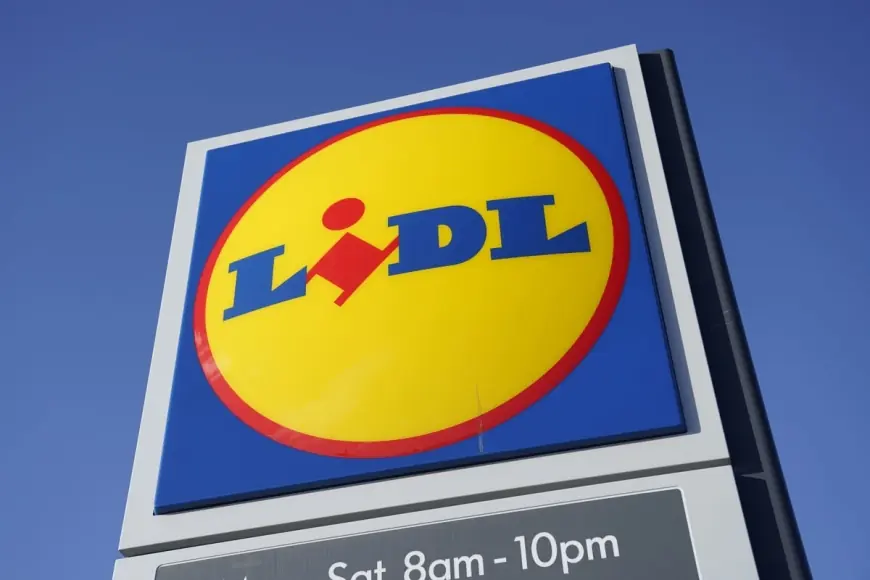
A tribunal has rejected an unfair dismissal claim by Julian Oxborough after he was sacked for drinking a 17p bottle of water left at a checkout while on shift. The hearing heard the incident took place on July 19, 2024 (ET) and that the employer’s disciplinary process found gross misconduct.
What happened at the till
The tribunal heard that on July 19, 2024 (ET) Oxborough, a long-serving checkout operative, was serving a customer who wanted a single bottle removed from a multipack. That bottle did not carry a barcode and the customer swapped it for a barcoded bottle, leaving the unbarcoded bottle at the till.
Later that shift, Oxborough drank from the abandoned bottle and used it to top up his own drink while continuing to serve customers. The following day a manager found the bottle by the checkout and, after reviewing CCTV, suspended Oxborough pending an investigation into alleged gross misconduct.
At the disciplinary meeting Oxborough said he felt dehydrated during his shift, had made his personal squash drink too strong to drink, and believed the multipack bottle could be written off. He acknowledged he could not remember whether he had paid for the bottle and said he may have forgotten to get it written off before finishing his shift. He told the tribunal he had no intention of being dishonest and described his dismissal as "a huge overreaction. "
Tribunal findings and employer position
The area manager who led the disciplinary process told the hearing that Oxborough had offered inconsistent explanations about whether he intended to buy the water or have it written off, and had not explained why he had not fetched tap water instead. She also pointed out that he had several days after the incident to volunteer an admission but did not do so.
Employment Judge Yallop found that the employer had followed a proper procedure and that the conduct amounted to gross misconduct. The tribunal concluded there was no assurance the behaviour would not recur and that summary dismissal was an appropriate sanction in the circumstances.
The employer emphasised the importance of a consistent, zero-tolerance approach to the consumption of unpaid stock in a retail environment, saying dismissal was not taken lightly but was justified by the facts and the need to maintain clear rules.
Context and implications
Oxborough had worked at the store for more than a decade and argued factors such as tiredness, stress, feeling unwell, and the rush to catch a bus contributed to his actions. He also mentioned concerns about Covid exposure from a household contact as part of his explanation.
The tribunal’s decision underscores how retailers may treat the unauthorised consumption of items on the shop floor, even where the value is minimal. Employers and staff are likely to view this case as a reminder to follow established loss-prevention and reporting procedures: where uncertainty exists, employees are expected to seek clarification or have items formally written off through the correct channels.
For workers, the ruling highlights the importance of promptly admitting mistakes and cooperating with internal processes. For employers, it affirms that a properly conducted investigation and disciplinary hearing can support dismissal where an employer reasonably concludes there is a risk of repeated misconduct.