






















Solitary Bullet Hole Exposes ICE’s Deception Web

The recent incident involving U.S. Immigration and Customs Enforcement (ICE) has raised critical questions about the agency’s conduct and the veracity of its operational narratives. A shooting incident in Minneapolis has uncovered discrepancies between ICE’s statements and eyewitness accounts, revealing a troubling pattern of deception.
Key Incident Overview
On January 7, a tragic shooting claimed the life of Renee Good, an unarmed mother of three, which sparked widespread criticism. Subsequent to this event, on January 24, Alex Pretti, a nurse, was fatally shot during an encounter involving border patrol agents. Homeland Security Secretary Kristi Noem claimed these shootings were defensive actions taken by agents fearing for their lives.
Details of the Shooting Incident
A particularly alarming event occurred involving Venezuelan citizen Julio Cesar Sosa-Celis, aged 24. This incident began when Sosa-Celis and his friend, Alfredo Alejandro Aljorna, were allegedly involved in an altercation with ICE agents that escalated following a car chase.
- Location: Minneapolis
- Shooting Date: January 24
- Victim: Julio Cesar Sosa-Celis, shot in the right thigh
- Witnesses: Multiple residents reporting different accounts of the events
Contradictory Accounts
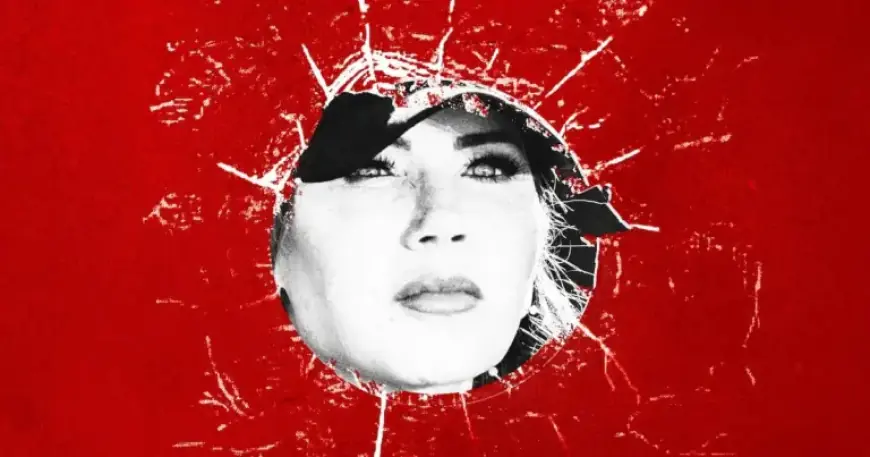
According to eyewitnesses, the bullet hole found in the front door of Sosa-Celis’ home plays a central role in documenting the incident. The bullet passed through the door and into an apartment, landing dangerously close to a child’s bed and crib. Notably, at least two children, aged 1 and 3, were present in the home at the time.
Camacho, the wife of Sosa-Celis, testified that her husband was not the intended target of ICE’s operation. Instead, he entered the home, fearing for his life, as agents pursued Aljorna. The agent’s response was described as disproportionate, especially considering the presence of children.
ICE’s Response and Community Impact
The situation escalated as ICE agents deployed tear gas to disperse onlookers and halt protests against their unlawful entry into the residence. Reports emerged that tear gas affected a neighboring home, putting a six-month-old baby at risk, who required hospitalization due to breathing difficulties.
Legal Consequences and Fallout
Both Aljorna and Sosa-Celis were arrested and charged with obstructing federal officers. However, the factual inaccuracies in ICE’s claims raised significant legal and ethical concerns. Two women who witnessed the shooting were also detained but later filed habeas corpus petitions, seeking their release.
- Charges: Aiding and abetting an assault on a federal officer
- Key Witnesses: Aljorna and Sosa-Celis’ family members
Accountability Measures
In response to public outcry and evidence contradicting ICE’s narrative, Acting ICE Director Todd Lyons announced an internal investigation into the officers involved. This followed a joint review by ICE and the Department of Justice, leading to administrative leave for the two agents implicated in the shooting.
Lyons emphasized the importance of ethical conduct within ICE, stating that lying under oath constitutes a serious offense. The investigation aims to bring accountability amidst calls for reform and cessation of aggressive immigration raids, particularly in sensitive community contexts.
Conclusion
The bullet hole in Sosa-Celis’ door serves as a stark reminder of the incident’s severe implications. It highlights the urgent need for transparency and accountability in federal law enforcement operations, especially as communities confront increasing instances of violence and misinformation. As the case unfolds, the pursuit of justice must remain a priority for both the individuals affected and the broader Minneapolis community.