




















Full 2026 Winter Olympics Alpine Skiing Schedule: Dates and ET Start Times for Every Medal Event

Organizers have finalized the alpine skiing program for the 2026 Winter Olympics, with the speed events set across the heart of the Milano Cortina Games. Below is a compact guide to every alpine medal race, presented in Eastern Time (ET) to help viewers plan coverage and tune in for the medal moments.
Event list and ET start times
All times listed are Eastern Time (ET). The alpine skiing program will take place primarily at the mountain venues around Cortina d'Ampezzo, with competitions running through the middle and final days of the Games.
- Women's Downhill — Feb. 8, 2026, 4: 00 AM ET: A fast, single-run classic to kick off the alpine slate.
- Men's Downhill — Feb. 10, 2026, 4: 00 AM ET: The marquee speed event for men, typically staged on one of the longest, most demanding courses.
- Women's Super-G — Feb. 11, 2026, 4: 00 AM ET: Super-G blends speed and technical lines; expect tight margins.
- Men's Super-G — Feb. 12, 2026, 4: 00 AM ET: A one-run shootout where split seconds decide podiums.
- Alpine Combined (Men & Women) — Feb. 13, 2026, women 3: 30 AM ET / men 6: 30 AM ET: Athletes race a downhill or super-G run followed by a slalom run; versatility is rewarded.
- Women's Giant Slalom — Feb. 15, 2026, runs at 12: 00 AM ET and 3: 00 AM ET: Two-run event; combined time determines medals.
- Men's Giant Slalom — Feb. 16, 2026, runs at 12: 00 AM ET and 3: 00 AM ET.
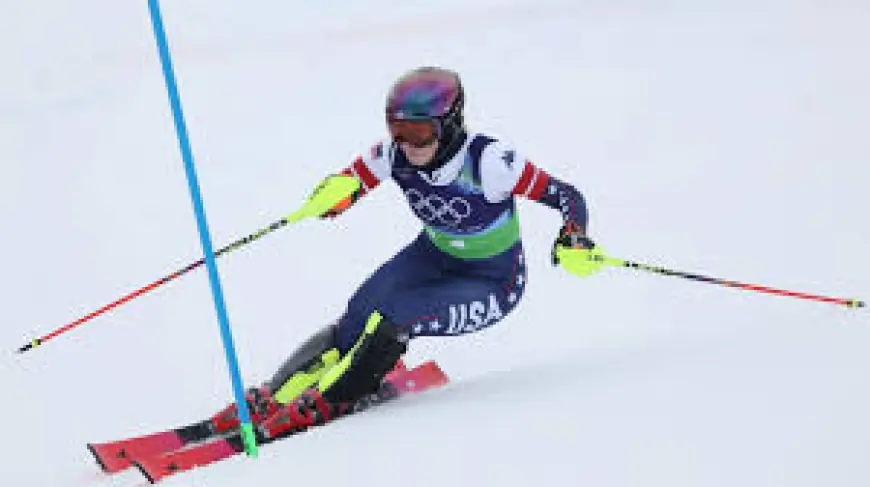
- Women's Slalom — Feb. 19, 2026, runs at 3: 00 AM ET and 6: 00 AM ET: The technical curtain-raiser for slalom specialists.
- Men's Slalom — Feb. 20, 2026, runs at 3: 00 AM ET and 6: 00 AM ET.
- Mixed Team Parallel — Feb. 21, 2026, 2: 00 AM ET: Nations field mixed-gender teams in head-to-head parallel courses for the final alpine medal.
Key viewing notes and what to watch for
Many alpine events will air in the early-morning hours ET because most races are scheduled during daylight in Italy. U. S. viewers should expect live action in the pre-dawn window, with highlight packages and replays later in the morning and daytime. The schedule packs the speed events early to take advantage of firmer morning snow, while the technical events are placed later in the program to provide climactic finishes as the Games progress.
Watch for these storylines:
- Speed specialists vs. all-rounders: Downhill and super-G favor raw speed and courage; the combined event tests athletes across both speed and technical disciplines.
- Course and weather impact: Alpine events are highly weather-dependent. Wind, visibility and snow conditions can prompt start-time adjustments or even course changes; broadcasters and organizers will update windows as conditions evolve.
- Team event drama: The mixed team parallel is a compact, unpredictable knockout event where a single gate or slip can swing a nation from gold to elimination.
Tips for planning coverage
If you plan to follow live, set alerts for early-morning start times and confirm daily schedules the night before. Weather windows can shift the order of races, particularly for downhill and super-G, so flexibility is essential. For fans who prefer highlights, mid-morning and afternoon packages will collect podium ceremonies and decisive runs into viewer-friendly blocks.
Filmogaz will monitor schedule updates and any weather-driven changes to start times. Bookmark the dates above and tune in early ET for the live alpine action — the downhill and super-G races often deliver the Games' most dramatic, high-speed moments.