

















How Ryan Murphy’s Love Story Reawakened Carolyn Bessette’s Calvin Klein Aura — and Rekindled a Kennedy Row

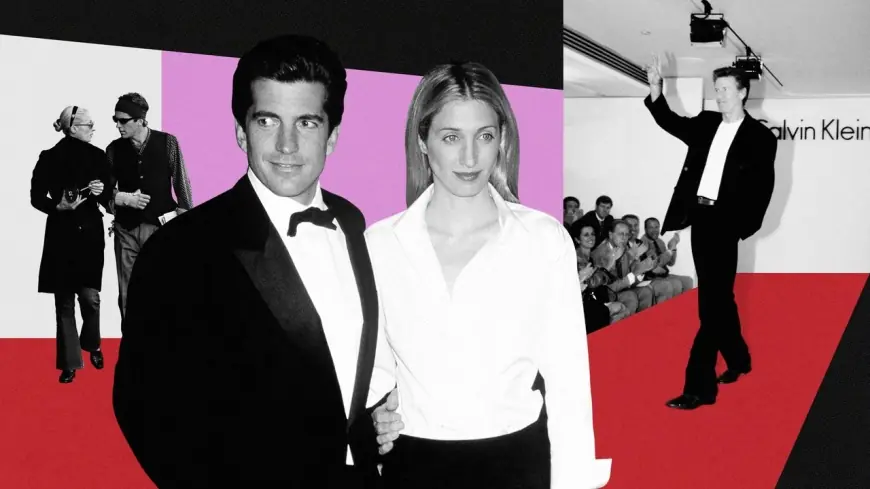
When Ryan Murphy’s Love Story premiered Thursday night (ET), the series’ precise recreation of Carolyn Bessette Kennedy’s minimalist wardrobe landed as loudly as its family drama. The episode’s arrival coincided with a major fashion presentation, sharpening a conversation about who controls the Kennedy story, how style is recycled, and whether television has the right to dramatize private grief.
Style as narrative: 1990s Calvin Klein returns to the spotlight
The show’s costume choices reasserted the hold that Carolyn Bessette’s pared-down look still exerts: slip dresses, stark white shirts, pencil silhouettes and the kind of underplayed glamour that reads as both nonchalant and deliberate. Designers and audiences alike started framing the series as more than a biopic impulse; it became a stylistic catalyst. The timing—episodes debuting on the eve of a major runway presentation—made the contrast between archival 1990s minimalism and contemporary runway experimentation especially visible.
Meanwhile, the fashion house whose aesthetic Carolyn once helped define opted to look back even earlier, channeling late 1970s and early 1980s references instead of leaning directly into the 1990s revival. The decision, made public after the episode drop, underscored how memory and branding diverge: filmmakers may be able to revive an era for mass consumption, but a label’s creative director can still resist a nostalgic rerun in favor of revisiting formative moments that predate the brand’s later signature minimalism.
The cultural spillover was immediate. Retail and design conversations shifted toward ’90s staples, while runway commentary focused on whether reinterpretation of a historic house should bow to popularized nostalgia or reassert its own, less-familiar lineage. The result was a two-way exchange: a TV series amplifying a look, and a fashion show pushing back with an alternate origin story.
Ownership, ethics and the Kennedy family response
The show’s visual success hasn’t quieted the louder ethical debate. Members of the extended family publicly contested the decision to dramatize the private lives of the late couple, arguing that profit and spectacle risked dishonoring a real tragedy. One family member criticized the series as a grotesque exploitation of personal loss; the showrunner’s blunt response inflamed the dispute and shifted part of the coverage from costume accuracy to questions of decency and entitlement.
That clash speaks to a broader friction: public fascination with iconic lives often collides with relatives’ wish to steward memory. In this case, the pull is particularly strong because the couple’s demise left no gravesite—only a scattering at sea—which feeds the cultural appetite for mythmaking. Television, with its capacity to shape image and influence fashion, can sharpen that appetite into a lucrative product, complicating any neat claim to stewardship.
Critics of the series have noted that while the production redeems previously caricatured portrayals of Carolyn by centering her perspective, it also flattens complex family dynamics into familiar tropes—royal analogies, grief as spectacle, and an insistence on turning interior life into plot. Supporters counter that dramatization can reframe and humanize historical figures. The tussle is ongoing and likely to shape how future projects treat similar material.
What comes next: style, commerce and narrative control
Expect the cultural aftershocks to continue. Fashion houses will keep calibrating their archives against what the screen revives; designers may mine the show for cues while asserting alternate histories to avoid being typecast. Meanwhile, the marketplace for Kennedy-related content is likely to expand—books, capsules, and curated collections will appear alongside the series—intensifying the debate over who gets to profit from public fascination.
For now, Love Story has done what many high-profile dramatizations aim to do: it put a person’s aesthetic back into circulation and transformed private mourning into a public touchstone. That revival illuminates how style can be a form of storytelling—and how, when style converges with celebrity tragedy, questions about authorship and ethics inevitably follow.