
























Bill Maher Criticizes Trump for Historic Display of Arrogance

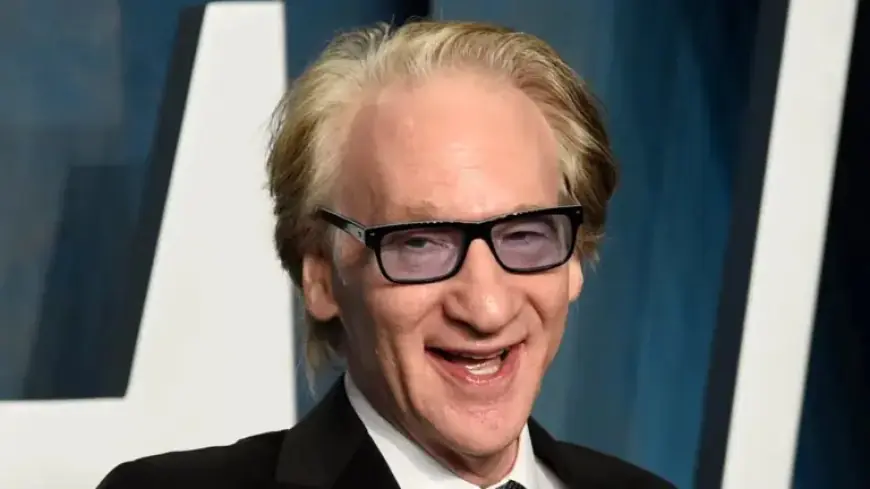
In a recent episode of “Real Time,” Bill Maher took aim at President Donald Trump and the Environmental Protection Agency (EPA) for their bold move to rollback climate change regulations. This comes after the Trump administration rescinded a significant 2009 EPA finding that deemed carbon dioxide and other greenhouse gases harmful to public health.
Trump’s Claims on Climate Change
Maher criticized Trump’s long-standing dismissal of climate change, referring to it as a “hoax.” He pointed out Trump’s belief that scientists are “stupid people” and that the science surrounding greenhouse gases lacks foundation. The comedian quipped that Trump sees climate change as a fabrication designed for profit, similar to cryptocurrencies.
The EPA’s Deregulatory Action
The administration’s decision to overturn the 2009 finding serves as a critical element in the removal of many climate regulations affecting various sectors, including power plants and vehicles. Maher emphasized the significance of this action, highlighting a statement from EPA director Lee Zeldin. Zeldin termed it the “single largest deregulatory action in American history.” Maher concurred, describing it as “the biggest dick move in American history.”
Impact on Climate Regulations
- This move undermines a key legal basis for existing climate regulations.
- It opens the door for increased greenhouse gas emissions from major polluters.
- The rollback could jeopardize public health protections linked to air quality.
Maher’s Commentary on Gender Dynamics
Later in the episode, Maher shifted focus to societal expectations regarding masculinity. He referenced Taylor Swift’s engagement to Travis Kelce of the Kansas City Chiefs. Maher suggested that women desire men to mature, citing Swift’s change in romantic focus from previous partners to Kelce.
He noted Swift’s evolution in songwriting, moving from themes of disappointment to finding satisfaction in a different type of partner, humorously implying that Kelce represents a more traditional appeal.
Conclusion
Bill Maher’s critiques reflect wider societal debates on climate change policies and gender roles. His observations about Trump’s actions resonate with growing concerns over environmental protection, while his commentary on masculinity touches upon contemporary cultural narratives. As the discussions continue, the implications of these themes remain significant for both politics and society.