




















Small Prophets review: Mackenzie Crook’s magical new comedy is pure pleasure

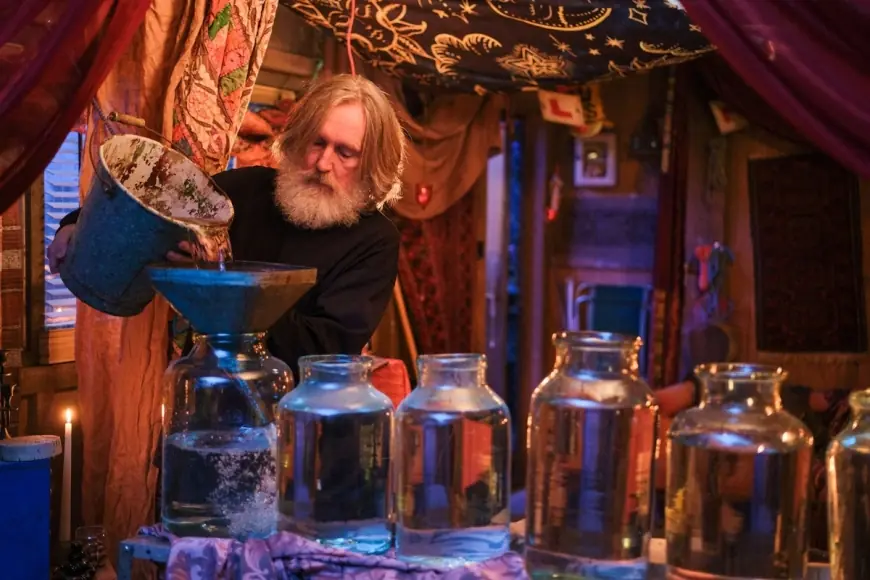
Small Prophets finds the creator of Detectorists turning suburban drudgery into uncanny delight. Part kitchen-sink sadcom, part folk fable, the new series follows a quietly grieving man as he and a small cast of misfits coax tiny prophetic creatures from jars. The result is funny, odd and unexpectedly moving.
A premise that balances grief and wonder
The centre of the series is Michael Sleep, a shaggy, solitary man whose life has been in stasis since his partner Clea vanished seven years earlier. By day he works on the shop floor of a DIY superstore; by evening he returns to an overgrown semi and a routine that reads like endurance rather than living. That grim hook could easily have yielded a twee, tuneless melancholy, but Crook flips the ledger: grief is present and never trivialised, yet the story repeatedly opens onto wonder.
The pivot comes Michael’s elderly father, who hints at an arcane recipe for making homunculi — tiny, jar-dwelling creatures that can foretell the future or answer questions. The recipe itself is part folk-alchemy: rainwater, a little horse manure and a dose of improbability. From that conceit Crook builds a series that never loses sight of human feeling even as it indulges a deliciously specific brand of oddness.
Casting, chemistry and comic restraint
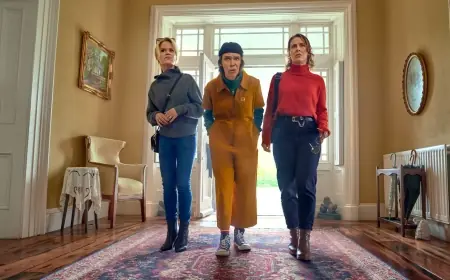
Casting is crucial to the show’s success. Pearce Quigley carries the lead with a faultless mix of ruefulness and sly humour; his Michael is a man whose eccentricities are inseparable from his decency. Lauren Patel, as Kacey, is a revelation — brusque, bright and heartbreakingly hopeful — and she forms one of the most affecting platonic pairings on television in some years. And then there’s Michael Palin as Brian, the father whose dementia and mischief sit side by side. Palin brings warmth and a precise comic softness to every scene he touches.
The supporting players are carefully chosen too: neighbours and colleagues who could easily be stock types are instead given small, telling details that make them human. The show’s comic tone is restrained rather than broad; jokes land because they are embedded in character, and quiet moments are allowed to breathe rather than being hurried past for a punchline.
Tone, themes and reception
Crook’s instincts feel familiar to anyone who loved his earlier work: he finds meaning in the mundane and builds emotional payoff from modest seams. But Small Prophets stretches those instincts into what might be called magical social realism — a suburban fable in which alchemy and the quotidian coexist. Music, production design and a patient directorial eye give the world a slightly off-kilter glow that makes miracles feel plausible.
Critics have praised the new series for its subtlety and warmth. One review called it "pure, pure pleasure, " and it’s easy to see why: the show takes risks without becoming precious, offering both laughs and real tenderness. The interplay between sorrow and silliness is handled with care; scenes that might have been cloying in another writer’s hands are instead quietly affecting.
Beyond its emotional core, Small Prophets is playful about myth and belief. The homunculi are at once whimsical plot devices and metaphors for how people look for answers in the wake of loss. Crook resists easy explanations: the show isn’t selling a neat supernatural package so much as exploring how faith, obsession and friendship can reshape a life that seems stuck.
For viewers craving a comedy that trusts slow-building charm and human detail, this series is a deliciously odd return to form from a singular writer-director. It rewards patience and invites you to believe, just for a while, that the strange might be true.