























UK and allies say Alexei Navalny was killed with dart‑frog toxin; Kremlin rejects findings

Britain and four European partners have concluded that opposition leader Alexei Navalny was poisoned with a lethal toxin found in poison dart frogs, declaring that Russia had the means, motive and opportunity to carry out the attack. Navalny died in a Siberian prison in February 2024; his widow says the new findings prove the Kremlin’s responsibility, while Russian officials have dismissed the conclusions as propaganda.
What investigators say the tests show
Government experts from the five countries released a joint statement saying analyses of samples connected to Navalny identified epibatidine, a potent toxin naturally found in poison dart frogs native to South America. The statement said the chemical is not naturally present in Russia and that its extreme toxicity and the symptoms observed were consistent with poisoning.
The governments further stated that the evidence pointed to deliberate administration while Navalny was detained, concluding that only a state actor with access and intent could have mounted such an operation. The declaration noted prior incidents involving the same target, including an earlier poisoning attempt with a nerve agent, reinforcing concerns about repeated use of toxic agents against political opponents.
the matter had been raised with the international body that oversees the Chemical Weapons Convention, and that the findings sharpen questions about state conduct and compliance with international prohibitions on chemical agents.
Kremlin response, family reaction and political fallout
Moscow has rejected the conclusions, with the foreign ministry describing the announcement as part of an information campaign and declining to accept the analyses until detailed test data and formulas are publicly disclosed. Russian spokespeople reiterated past characterisations of Navalny as an extremist, and rejected claims of state involvement in his death.
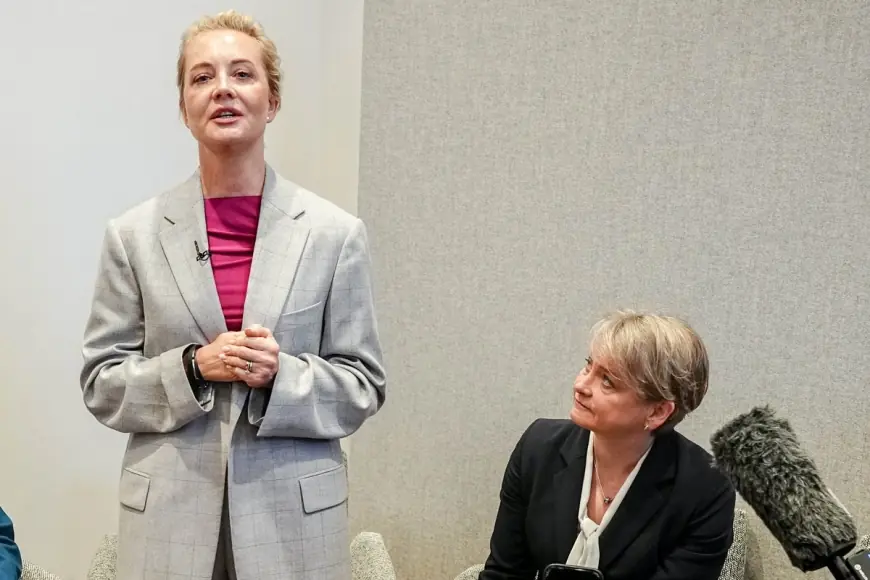
Navalny’s widow said the new results vindicate her long-held belief that her husband was poisoned and urged that those responsible be held to account. Political leaders in the UK and other European capitals expressed outrage and highlighted the wider implications for international norms and security, calling for firm diplomatic steps in response.
The development is likely to intensify pressure on governments to pursue coordinated measures, while also complicating relations with Moscow. Domestically, leaders framed the findings as further evidence of threats posed by the Russian state to dissidents and to global security, pledging to pursue the matter through diplomatic and legal channels.
Unanswered questions and the broader context
Key questions remain about how the toxin was allegedly introduced and administered in a high‑security prison environment. Investigators said the mechanism of delivery was not yet clear, and that forensic work continues. The case revives memories of earlier poisonings involving Russian targets, including a high‑profile nerve agent attack abroad, and raises concerns about the reuse or adaptation of toxic agents.
Navalny, a long‑standing critic of the Russian leadership known for exposing alleged corruption, had been serving a lengthy sentence on charges he and supporters called politically motivated. His death in custody has been a focal point of international scrutiny since February 2024, and the new findings are likely to sustain diplomatic friction and calls for independent inquiries.
As investigations proceed, governments have signalled an intent to share technical findings with international partners and to seek avenues for accountability. The unfolding diplomatic response will test the efficacy of multilateral mechanisms for addressing breaches of chemical weapons norms and the political will of states to respond to allegations involving a major power.