






















Congress Empowers Law Enforcement to Down Drones; CBP Fires Laser Near Airport

The recent actions taken by U.S. law enforcement regarding drone removal have sparked significant controversy. A laser system employed by U.S. Customs and Border Protection (CBP) near El Paso, Texas, led to a temporary closure of airspace. This incident has raised urgent questions about drone management and collaboration among federal agencies.
Incident Overview
On a Wednesday in late October 2023, airspace over El Paso was abruptly shut down. This was due to concerns regarding drones operated by Mexican drug cartels. Reports indicate that the laser system, which can neutralize drones, was deployed without prior coordination with the Federal Aviation Administration (FAA).
Congressional Empowerment of Law Enforcement
Just two months prior to this incident, Congress authorized more law enforcement agencies to engage rogue drones. Previously, this authority was limited to a few selected federal agencies. The recent legislative changes could potentially increase the likelihood of situations similar to what occurred in El Paso.
Communication Challenges
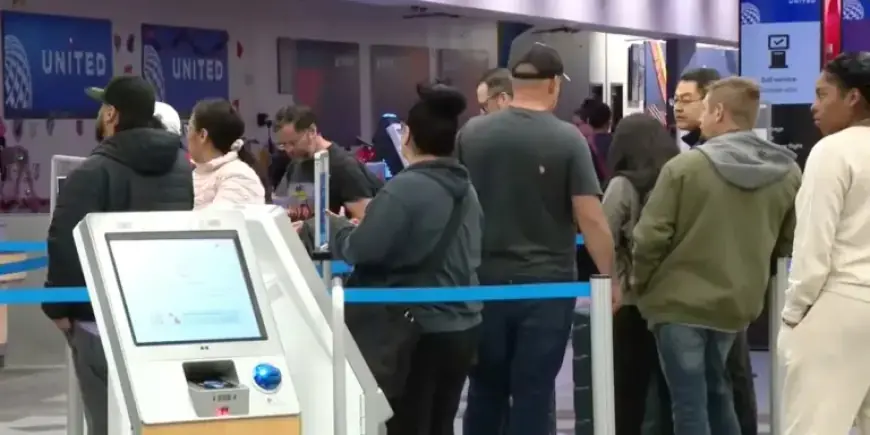
The FAA grounded all aircraft in the region due to safety concerns stemming from the laser technology. Although initial restrictions were anticipated to last 10 days, they were lifted just hours later. Homeland Security Secretary Kristi Noem acknowledged that inter-agency communication needs improvement to prevent future disruptions.
Expert Opinions on Threats
Experts like Brett Velicovich have voiced concerns regarding the U.S.’s preparedness for substantial drone threats. He emphasized the need for clearer authority regarding drone management to ensure public safety. Additionally, the threat posed by drones is not limited to border security; armed drones are utilized in conflict zones such as Ukraine and could pose risks in civilian areas.
Drone Statistics and Trends
- Over 27,000 drones were detected within 1,600 feet of the U.S.-Mexico border in the last six months.
- The number of registered drones in the United States exceeds 1.7 million and is steadily increasing.
- Common drone counter-measures—including radio jamming and high-powered lasers—are primarily found in war zones.
Preparing for Major Events
This summer, the government allocated $250 million in grants to states hosting World Cup matches, aimed at bolstering drone defenses. An additional $250 million will be provided later this year to enhance nationwide drone security measures.
Safety and Liability Concerns
With an uptick in near-miss incidents between drones and aircraft, safety remains a primary concern. Pilots, represented by organizations such as the Allied Pilots Association, fear the potential for catastrophic collisions. Recent incidents have highlighted the severe consequences of drone and aircraft interactions.
Conclusion
The interplay between drone technology and public safety is becoming increasingly complicated. As Congress and various agencies work to fine-tune their responses, the public remains vigilant about the potential dangers drones can pose to both air travel and national security. Ongoing improvements in communication and regulations will be essential in addressing these rising concerns.