





















Joey Aguilar’s eligibility fight hits pivotal hearing as Tennessee’s 2026 plans hang in the balance

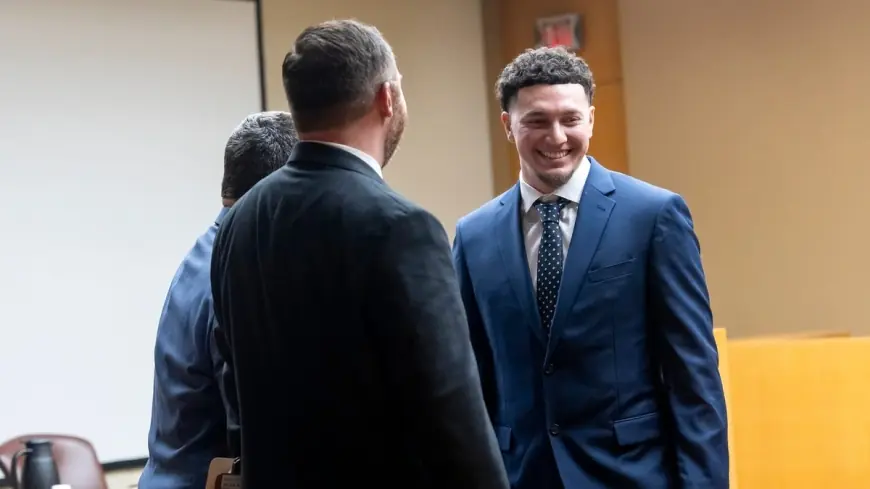
Tennessee quarterback Joey Aguilar appeared in a Knoxville courtroom on Feb. 13, 2026 (ET), seeking a preliminary injunction that would restore his NCAA eligibility for one final season. The case centers on rules affecting former junior college players and could shape the Volunteers’ 2026 quarterback plan in real time.
What the injunction would decide
Aguilar, 24, is asking the court for immediate relief that would allow him to play this fall while litigation proceeds. If granted, the order would effectively clear a path for him to return to the field for Tennessee in 2026. If denied, the Vols would likely pivot at quarterback, though both sides acknowledged there could be gray areas depending on the exact language of the ruling and any subsequent appeals.
Aguilar’s complaint details that Tennessee has a roster slot for him and access to approximately $2 million in potential name, image and likeness opportunities tied to the role. Those figures underscore the urgency of a decision well ahead of spring and summer preparations, as program planning, NIL commitments, and depth chart competition typically crystallize long before August camp.
Inside the courtroom: praise and pushback
The hearing opened with brisk exchanges between Aguilar’s attorney, Cam Norris, and Chancellor Chris Heagerty, who pressed the legal arguments while repeatedly recognizing the quarterback’s impact at Tennessee. The judge noted he was “very proud of him being able to wear orange” and said Aguilar “provides a service, a very good one by the way. ”
From the NCAA’s side, attorney Taylor Askew underscored respect for Aguilar while defending the rules at issue. Askew told the court he’s a fan of Tennessee football and praised the quarterback’s standing in the community, calling Aguilar a hero to local kids. He added that admiration alone does not justify bending competitive rules, emphasizing that one program should not get an advantage others do not.
Judge’s caution amid a shifting NIL market
Chancellor Heagerty signaled the complexity of rendering an immediate decision in a fast-changing NIL landscape. He reached for an offbeat analogy from his past in whiskey sales, likening Aguilar’s request for swift clarity to asking a salesman on the last day of Prohibition how much vodka would sell in a market that hadn’t offered it for years. “I don’t know, ” he said, adding, “We haven’t sold vodka in eight years. ”
That framing captured the court’s broader challenge: projecting future harm and market consequences when NIL values, roster economics, and transfer dynamics move week to week. The court also acknowledged Aguilar’s difficult position — “between a rock and a hard place, ” as the judge put it — while stressing that any ruling must be grounded in the law, not sentiment.
Age debate resurfaces, but no NCAA limit
Aguilar was born June 16, 2001, and will be 25 when the 2026 season begins. His age is not a formal component of the legal dispute, yet it has stirred public debate about older players in college football. Norris pushed back on the notion that age should color the outcome, pointing out there is no NCAA age cap. He invoked a familiar example from college football lore: “This isn’t about the age of the player. Chris Weinke was 28 years old when he beat Josh Heupel for the Heisman. ”
The reminder underscored a key distinction in the case: the legal question rests on eligibility rules regarding junior college pathways and seasons of competition, not on how old a student-athlete may be.
What Tennessee faces next
A timely decision will help dictate Tennessee’s approach under center for 2026. An injunction would let Aguilar rejoin preparations while the broader lawsuit continues; a denial would likely accelerate alternative plans and could influence related NIL commitments that often hinge on who is expected to start at quarterback.
The judge indicated the difficulty of issuing an immediate, market-defining order, but also recognized the practical timeline pressures on a major program. A written ruling could arrive on a short clock given spring schedules and roster management milestones. Until then, uncertainty holds: Aguilar’s bid for one more year rides on a legal call that blends eligibility interpretations with an NIL environment still settling into its new normal.