

























Olympic Medal Count 2026: Norway and Italy Lead on Golds as the United States Sits Third, With the Final Weekend Set to Decide the Table

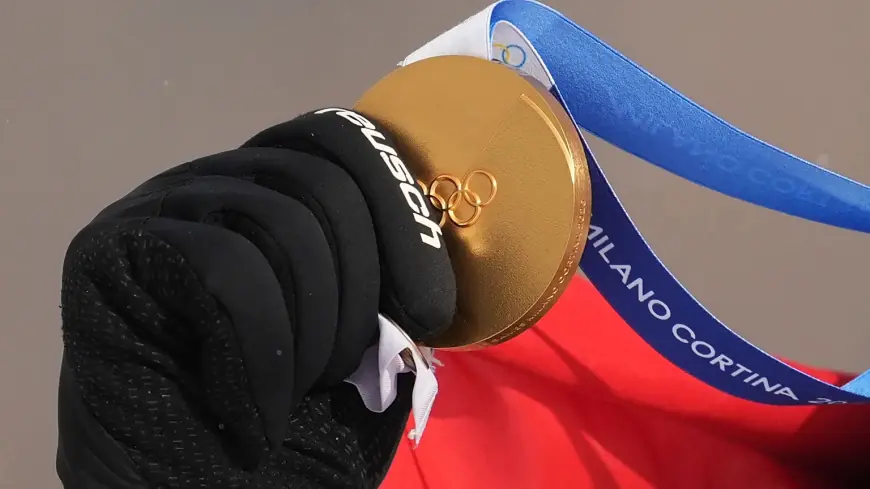
The Winter Olympics medal count in 2026 is tightening into a two-track race: one for the most gold medals and another for the most total medals. As of Saturday, February 14, 2026 ET, Norway leads the gold medal count with 8 and is tied for the most total medals at 18, matching host Italy’s total while Italy holds 6 gold. The United States is third with 14 total medals, powered more by depth than dominance so far: 4 gold, 7 silver, 3 bronze.
That split matters because Olympic medal tables are traditionally ranked by gold first, which changes the story from “most medals” to “most wins.”
Winter Olympics Medal Count Snapshot: The Top of the Table
Here is the current picture at the top, where small swings can flip rankings quickly:
| Rank | Country | Gold | Silver | Bronze | Total |
|---|---|---|---|---|---|
| 1 | Norway | 8 | 3 | 7 | 18 |
| 2 | Italy | 6 | 3 | 9 | 18 |
| 3 | United States | 4 | 7 | 3 | 14 |
| 4 | France | 4 | 5 | 1 | 10 |
| 5 | Germany | 4 | 3 | 2 | 9 |
| 6 | Sweden | 4 | 3 | 1 | 8 |
| 7 | Switzerland | 4 | 1 | 2 | 7 |
| 8 | Austria | 3 | 6 | 3 | 12 |
| 9 | Netherlands | 3 | 3 | 0 | 6 |
| 10 | Japan | 2 | 2 | 6 | 10 |
This leaderboard already shows the central tension of the medal count Olympics conversation: the United States has more total medals than several countries above it in gold, but fewer outright wins so far.
United States at the Winter Olympics: A “Podium Volume” Profile
The US medal count reflects a familiar Winter Games pattern: frequent podium appearances, fewer first-place finishes than the table leaders. Seven silvers is both a strength and a warning sign. It signals competitiveness across events, but also hints at narrow margins where execution, conditions, and judging details can be the difference between gold and second.
From a team-management perspective, this is the least predictable position to be in mid-Games. A single day of breakthroughs can spike the gold medal count and reframe the narrative, while a couple of near-misses can lock in a “strong but not first” reputation no matter how many total medals pile up.
What’s Behind the Headline: Incentives, Stakeholders, and Why the Medal Table Is So Volatile
The medal count is not just a scoreboard; it is leverage.
National Olympic programs want gold because it validates funding models and coaching pipelines. Sponsors prefer gold because it drives top-of-funnel visibility and athlete marketability. Broadcasters and event organizers crave a tight race because it keeps casual fans checking daily standings.
For Italy, the stakes are multiplied: a host nation that can keep pace with Norway in total medals and stay within striking distance in gold turns the Games into a domestic triumph. That has ripple effects for winter sport participation, facility legacy arguments, and political cover for spending decisions.
For Norway, the incentive is legacy protection. Leading in gold is a statement about system strength, not a single superstar. When a country is out front early, the pressure shifts from “can you win” to “can you hold,” and every fourth place finish starts to feel like a missed opportunity.
For the United States, the incentive is narrative reversal. A late surge in gold changes everything: it can shift post-Games headlines, influence quadrennial budgets, and shape how athletes and federations are judged internally.
What We Still Don’t Know: The Missing Pieces That Will Decide the Gold Medal Count
Several key uncertainties still hang over the medal count Olympics story:
-
Event sequencing: The remaining schedule can disproportionately benefit countries that are strongest in the final cluster of sports.
-
Health and fatigue: Winter Games margins are thin; minor injuries and recovery issues can quietly reshape podium outcomes.
-
Conditions: Snow and ice quality can advantage different styles and equipment setups, especially in outdoor disciplines.
-
Judged events volatility: Where scoring includes subjective components, late podium flips can swing the medal table unexpectedly.
-
Conversion rate for silvers: For the United States in particular, the question is whether those second places are “one tweak away” from gold or represent a ceiling against stronger favorites.
What Happens Next: Realistic Scenarios and Triggers to Watch
Over the next several days, the standings could move in a few realistic ways:
-
Norway extends its lead in gold
Trigger: Continued wins in endurance-heavy and technique-dominant events where Norway has historically strong pipelines. -
Italy wins the “total medals” race, even if it finishes second in gold
Trigger: More podium depth across multiple sports, turning consistency into an overall medal-volume victory. -
The United States climbs into second on total medals and challenges for third or second on gold
Trigger: A short burst of golds paired with continued silver-to-bronze protection, keeping total medals rising even on days without wins. -
A multi-country gold logjam forms behind Norway
Trigger: Countries currently sitting on 4 gold each keep trading wins, compressing the table and making tiebreakers feel decisive. -
Late surprises reshuffle the mid-table dramatically
Trigger: Upsets in a handful of finals can elevate a country like Japan, Austria, or the Netherlands in total medals, even if gold remains concentrated at the top.
Why It Matters Beyond Bragging Rights
The Olympic medal count is a proxy for investment strategy, talent pipelines, and national sporting identity. A strong gold tally supports a “we build champions” story. A high total without gold supports a “we’re deep and rising” story, but often sparks internal debates about why wins aren’t materializing.
Right now, the 2026 Winter Olympics medal count is telling three different stories at once: Norway’s gold-heavy lead, Italy’s host-powered breadth, and the United States’ high podium volume that still needs more first-place finishes to climb the rankings. The rest of the Games will decide which of those stories becomes the lasting one.