

























Oat Milk’s Legal Status: What It Means for Your Health

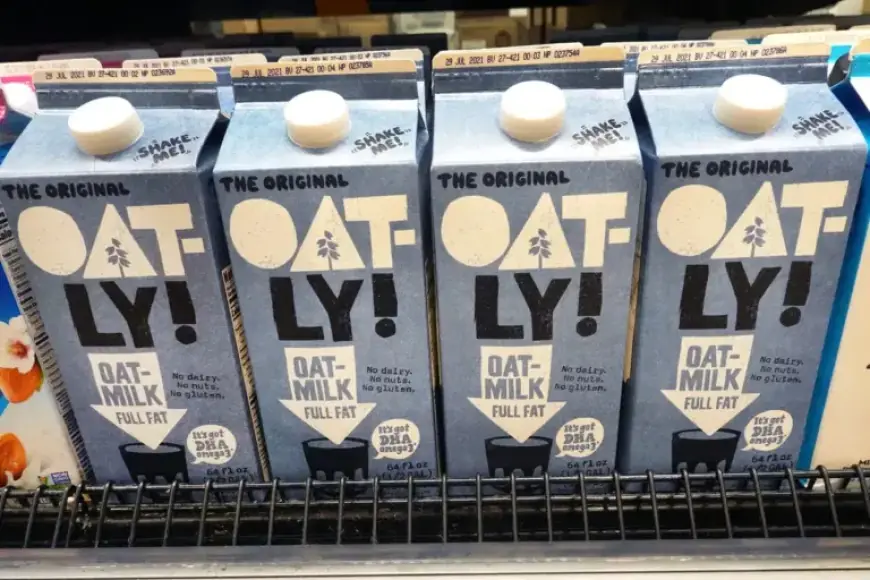
The recent Supreme Court ruling in the UK has declared that oat milk cannot legally be classified as milk. This decision has sparked a flurry of reactions across the food industry and among consumers. But what does this judgment really mean for oat milk’s health implications and how should it be labeled?
Understanding the Ruling on Oat Milk
The court’s verdict focused specifically on Oatly’s use of the phrase “Post Milk Generation.” The judgment did not touch on nutrition or public perception about dairy alternatives. The legal implications are narrow, but they raise essential questions about the terminology we use.
Oat Milk’s Nutritional Profile
Oat milk has gained popularity as a plant-based alternative, often marketed as healthier than traditional dairy. However, experts have raised concerns about its carbohydrate content, particularly its potential to cause glucose spikes. Here are some critical points regarding oat milk’s nutrition:
- Made from oats, which are primarily a source of starch.
- Contains lower protein levels compared to cow’s milk.
- Some nutritionists advise caution when considering oat milk for regular consumption.
Jessie Inchauspé, a notable biochemist, has pointed out that drinking oat milk equates to consuming “starch juice,” which can lead to increased glucose levels. Other health professionals echo her sentiments, suggesting a careful approach when incorporating oat milk into your diet.
The Debate on Processed Foods
The production of oat milk involves significant processing, which can alter its nutritional benefits. This raises questions about its place in the current trend toward natural, minimally processed foods. Professor Tim Spector highlights that many oat milk products contain additives and industrial ingredients that detract from their health halo.
Furthermore, the environmental impact of oat milk is also up for debate. Although often seen as a sustainable alternative, oat production frequently relies on industrial farming techniques that may not be eco-friendly.
The Rise of Full-Fat Dairy
As consumers reassess their food choices, there has been a renewed interest in full-fat dairy products. This shift might indicate a growing skepticism toward heavily processed plant-based options like oat milk. Retailers have noted increased demand for whole milk, suggesting that definitions of what is “natural” and “healthy” are evolving.
Conclusion
The Supreme Court’s decision regarding the legal classification of oat milk has significant implications. It highlights how the language surrounding food products shapes consumer perceptions of health and quality. As consumers navigate these complexities, they must remain informed about the nutritional and environmental realities of their food choices.