

























IRS Stimulus Check Questions Surge Again as 2026 Tax Refund Season Opens and “Direct Deposit Freeze” Rules Confuse Filers

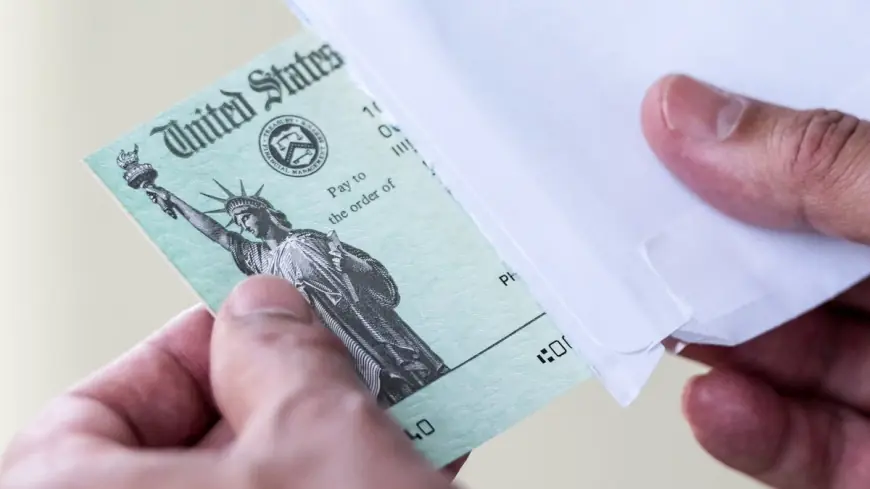
Searches for “IRS stimulus check” and “stimulus check IRS” are spiking again as the 2026 filing season gets underway, but the immediate reality is less about new federal stimulus payments and more about tax refunds, old pandemic-era credits, and a wave of viral claims that blur the line between the two.
As of Saturday, February 7, 2026, ET, the Internal Revenue Service is processing early 2025 tax-year returns and reminding filers that most people already received the prior Economic Impact Payments years ago. For many households, the money they are waiting on now is simply an IRS refund tied to withholding, credits, and filing timing.
What happened: stimulus rumors collide with refund timing
The IRS is in the early stretch of tax season after opening return acceptance on Sunday night, January 26, 2026, ET. Historically, that first week triggers a predictable surge of refund questions, and this year it is colliding with renewed social-media chatter about “new stimulus checks,” “automatic deposits,” and “government relief payouts.”
In practice, there is no broadly confirmed new federal stimulus check program being issued right now through the IRS. What does exist are narrow, situation-dependent pathways for people who never received older pandemic payments to claim eligible amounts through a credit on a tax return, plus the standard refund process for current filings.
IRS refund basics in 2026: what’s normal, what’s not
For most electronically filed returns with direct deposit, the IRS still targets issuance within about 21 days, assuming the return is complete and error-free. Paper filing typically stretches longer.
Two common reasons refunds take longer than people expect:
-
Returns that require manual review because of mismatches, missing forms, or identity verification flags
-
Refundable credits that trigger extra fraud checks
That second category is key: refunds involving the Earned Income Tax Credit or the Additional Child Tax Credit are subject to timing limits. The IRS has indicated that most early filers who claim these credits and choose direct deposit should see refunds available around Sunday, March 2, 2026, ET, with personalized timing appearing in the refund tracker for many filers by Friday, February 21, 2026, ET.
Behind the headline: why “stimulus” keeps trending even when it isn’t real
The incentives are straightforward. Refund season creates anxiety and urgency, and the word “stimulus” is emotionally sticky. Content that promises a surprise payment spreads faster than the less exciting truth: refunds depend on filing, verification, and credit eligibility.
This creates a marketplace for confusion:
-
Scammers exploit urgency with fake eligibility checks and “deposit confirmation” messages
-
Content creators chase clicks by bundling unrelated topics like refunds, credits, and payments into one narrative
-
Legitimate policy changes get misunderstood as “new stimulus,” even when they are just updated tax rules or payment delivery procedures
The second-order effect is real: when people believe a payment is automatic, they may delay filing, ignore verification letters, or make bad decisions about cash flow planning.
What “direct deposit freeze” means for IRS refunds this year
One of the most important and least understood changes in the 2026 landscape is operational: refunds can be slowed if direct deposit information is missing or if a bank rejects a deposit.
In plain terms, some refunds may not seamlessly switch to a paper check if a direct deposit fails. Instead, the refund can be paused until the taxpayer provides updated instructions or follows the required steps to reissue the payment. That can make the wait feel like a “missing stimulus,” when it is actually a stalled refund delivery method.
What we still don’t know
Several things will shape how messy this season feels:
-
How quickly IRS staffing and operational constraints translate into real backlogs for error resolution and paper processing
-
Whether fraud filters tighten further, increasing identity verification delays
-
How widely the new delivery procedures affect rejected direct deposits and filers who omit bank details
None of this changes the fundamentals of eligibility, but it does change the lived experience: more people may see “processing” statuses linger longer than they did in smoother years.
What happens next: realistic scenarios and triggers
Scenario one: a mostly normal season for e-file and direct deposit, with localized slowdowns. Trigger: filers submit complete returns and avoid mismatches.
Scenario two: broader delays for paper returns and returns with verification issues. Trigger: higher-than-usual error rates and slower manual processing.
Scenario three: a spike in “stimulus check” misinformation as March approaches and credit-related refunds hit accounts. Trigger: refundable-credit refunds arriving in a visible wave that gets mislabeled online.
Scenario four: heightened identity theft concerns and more taxpayers seeking protective measures. Trigger: reports of fraudulent filings or increased account takeover attempts during peak season.
Why it matters
For households, the difference between “stimulus” and “refund” is not semantics; it is budgeting. A stimulus check implies an extra payment you did not plan on. A refund is often money you already earned that is being returned after filing.
The safest path is boring but effective: file electronically, use direct deposit with correct bank details, keep all wage and tax documents consistent, and use official IRS tools to track status rather than chasing viral claims. In 2026, the biggest risk is not missing a new stimulus check. It is misreading a routine refund delay as something extraordinary and getting pulled into the noise that follows.