





















Kid Rock country music festival faces lineup shakeup as Shinedown and Creed exit

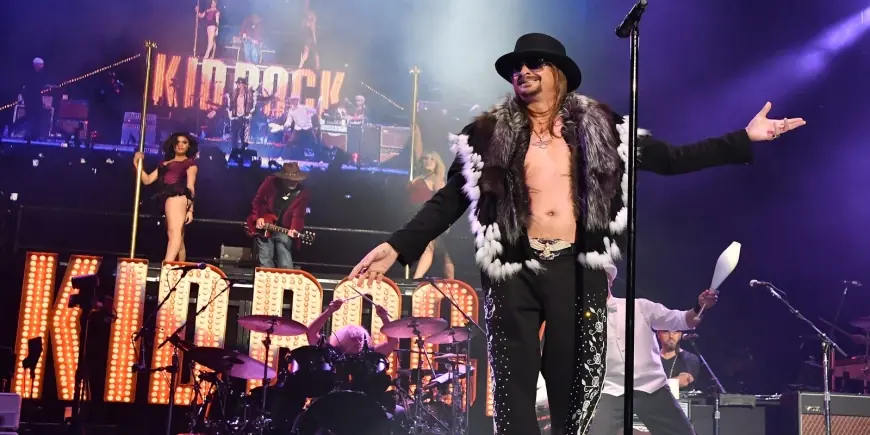
The traveling “Rock the Country” run billed as a patriotic, small-town country-and-rock party is dealing with fresh turbulence heading into its May kickoff. Shinedown confirmed on Friday, Feb. 6, that it will no longer appear, and Creed has also disappeared from at least one stop’s promotional lineup—moves that have intensified a fast-moving Rock the Country festival controversy around politics, branding, and artist expectations.
The fallout is no longer just online noise: one entire weekend stop has already been canceled, raising questions about how resilient the tour is if more acts decide the event has become too polarizing.
Why the Rock the Country festival controversy escalated
“Rock the Country” was built to mix mainstream country with rock acts in smaller markets, framed as a celebration tied to America’s upcoming 250th anniversary. But as the 2026 lineup rolled out and discussion around the tour’s political associations grew louder, some fans began treating the festival less as a genre mashup and more as a political signal.
That perception—fair or not—created a risk for artists whose audiences cut across the political spectrum. The moment the conversation shifted from music to ideology, every lineup change started to look like a statement, even when the details were unclear.
Shinedown’s exit and the ripple effect
Shinedown’s withdrawal was the first recent change paired with a direct explanation. In a public statement shared Friday, the band said its mission is to bring people together and that it did not want to participate in something it believed could deepen division.
The decision landed after earlier departures by other performers tied to the tour. Some exits came with explanations centered on booking confusion or scheduling realities, while others happened quietly as names vanished from marketing materials. Regardless of the reason, the cumulative effect has been to turn routine festival churn into a broader referendum on the event’s identity.
Creed removed from a key stop’s lineup
Creed’s status has been less straightforward. The band has not publicly detailed a reason for leaving, but fans noticed its name removed from at least one advertised weekend where it had previously been listed. With no on-the-record explanation, it remains unclear whether the change reflects a scheduling issue, a contractual shift, or a choice connected to the broader controversy.
Even without confirmation, the optics matter: a quiet removal can read like avoidance, which can fuel more speculation than a simple, direct announcement.
Anderson, South Carolina weekend canceled
The most concrete consequence so far is the cancellation of the Anderson, South Carolina stop that had been scheduled for late July. Local officials confirmed the event will not return this year after the recent lineup changes.
That cancellation is significant because the Anderson weekend drew a large crowd in 2025—tens of thousands of attendees—and local leadership described it as a multi-million-dollar economic driver for the region. Losing a full festival weekend means lost hotel nights, restaurant traffic, and vendor revenue, and it may also pressure other host cities to seek reassurance that their dates will hold.
The 2026 tour dates still on the calendar
Despite the shakeup, “Rock the Country” is still promoted as a multi-stop summer run across several states. The remaining published schedule spans from early May through mid-September:
-
Bellville, Texas — May 1–2
-
Bloomingdale, Georgia — May 29–30
-
Sioux Falls, South Dakota — June 27–28
-
Ashland, Kentucky — July 10–11
-
Hastings, Michigan — Aug. 8–9
-
Ocala, Florida — Aug. 28–29
-
Hamburg, New York — Sept. 11–12
The real test is whether organizers can stabilize the bill in each market—either by retaining remaining headliners, adding replacements that make sense for the audience mix, or reframing the tour’s messaging to reduce the temperature around it.
What happens next for the festival
Festival tours often survive lineup turnover, but this situation is trickier because the changes are being interpreted through a cultural lens rather than a typical “artist conflict” lens. If additional acts leave, organizers risk a cascade: each exit becomes “proof” to one side of the debate and “betrayal” to the other, making it harder to sell the event as a broad, community-first gathering.
For now, the path forward is practical. If the tour proceeds smoothly in May, attention may shift back to performances and production. If more cancellations follow, “Rock the Country” may have to choose between leaning into a narrower identity or rebuilding trust with a wider audience.
Sources consulted: Newsweek; People; Rolling Stone; Anderson Independent Mail