

























Gold Price Today and Gold Futures Swing Near $5,000 After a Whipsaw Week for Precious Metals

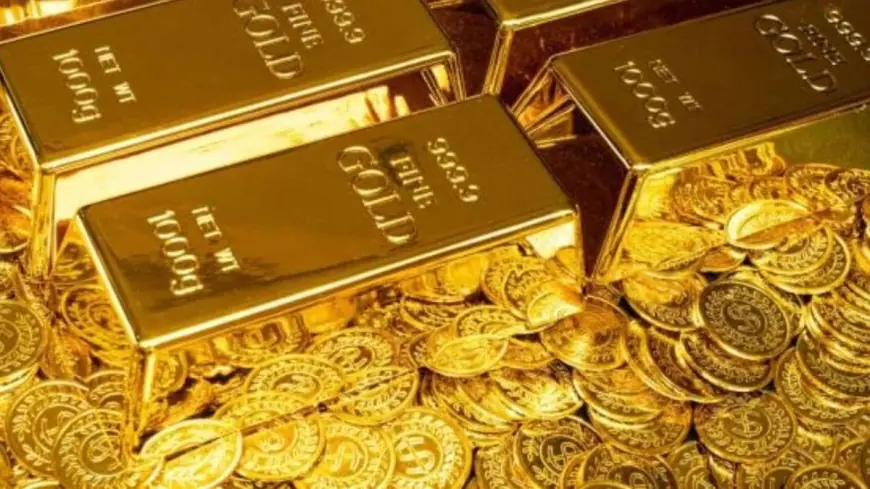
Gold price action is back in the spotlight on Saturday, February 7, 2026, as spot gold and U.S. gold futures hover just under the psychologically important $5,000 level following one of the most volatile stretches in years for precious metals.
As of early Saturday morning ET, spot gold was trading around $4,960 per ounce, while the most active U.S. gold futures contract was near $4,956 per ounce. The tight gap between spot and futures suggests the market is less focused on storage-and-carry dynamics right now and more focused on macro risk, positioning, and the next catalyst that could force another fast repricing.
What happened: gold rips, drops, then stabilizes near $5,000
The last week delivered a classic gold “air pocket” and snapback: a sharp selloff that shook out crowded positioning, followed by a powerful rebound that pushed prices back toward recent highs. That kind of sequence is often driven by leverage being forced out of the system, followed by bargain-hunting and rapid re-risking once the forced selling exhausts itself.
In practical terms, gold futures have been behaving less like a slow-moving store of value and more like a high-beta macro asset: when the market’s narrative shifts, the move can be immediate, exaggerated, and technically messy.
Behind the headline: why gold futures are moving now
Three forces are doing most of the work:
Monetary-policy expectations and real yields. Gold does best when investors believe the return on cash and government bonds will fall in real terms. Any repricing of the path of interest rates can move gold quickly.
Dollar confidence and diversification. Gold’s strong multi-month trend has increasingly been linked to institutional and sovereign diversification behavior. Even small shifts in perceived currency or fiscal risk can have outsized impact because gold is a relatively small market compared with global bond and currency markets.
Market structure and margin dynamics. Futures markets can amplify moves when volatility triggers higher margin requirements and forces traders to reduce exposure. When that happens, price can fall quickly for mechanical reasons, then rebound once the pressure eases.
Stakeholders: who’s buying, who’s hedging, who’s forced to react
Gold’s price is where multiple constituencies collide:
Central banks and reserve managers who are less price-sensitive and more focused on long-run diversification.
Asset managers using gold as a hedge against inflation surprises, policy error, or geopolitical risk.
Producers and refiners who hedge future output and inventory exposure through futures, especially when price swings increase uncertainty.
Retail investors and systematic traders who often arrive late to the move and can get whipsawed when volatility spikes.
The key point is incentives are not aligned. Some participants want stability, others want convexity, and some are simply trying to survive the next margin call. When those motivations overlap, the result is wide ranges and sudden reversals.
What we still don’t know
Despite the apparent stabilization near $5,000, several unanswered questions will decide whether gold resumes its climb or chops sideways:
Was the recent selloff mainly a leveraged washout, or did it reflect a genuine shift in demand?
How durable is the underlying bid from long-horizon buyers if prices continue making new highs?
Will upcoming macro data and policy signals reduce uncertainty, or reinforce it and keep hedging demand elevated?
If volatility remains high, will risk controls and tighter financing conditions limit speculative participation in futures?
Second-order effects: why gold’s volatility matters beyond the metal
Sharp moves in gold futures ripple outward.
For investors, volatility changes portfolio behavior. When a hedge becomes volatile, some funds reduce exposure, which can paradoxically increase hedging demand elsewhere.
For miners, rising prices can improve margins, but rapid swings complicate hedging decisions and capital planning.
For policymakers, a persistent surge in gold can act like a public confidence signal, encouraging scrutiny of inflation credibility, fiscal sustainability, and currency stability.
For other metals, gold’s whipsaws can spill into correlated positioning, especially when traders hold baskets or use one metal to fund exposure in another.
What happens next: realistic scenarios and triggers
Scenario 1: Breakout above $5,000 and follow-through
Trigger: softer real yields, a weaker dollar, or renewed risk-off demand that pulls in both hedgers and momentum buyers.
Scenario 2: Sideways consolidation under $5,000
Trigger: calmer macro messaging and a market that shifts from panic hedging to waiting for clarity, keeping gold range-bound.
Scenario 3: Another fast downdraft, then stabilization
Trigger: renewed margin tightening, crowded long positioning, or a sudden relief rally in risk assets that reduces hedging urgency.
Scenario 4: A regime shift to persistent two-way volatility
Trigger: continued uncertainty about rates, fiscal policy, and geopolitics, keeping both buyers and sellers highly reactive.
Why it matters
Gold near $5,000 is not just a price milestone. It’s a signal that investors are paying up for protection and optionality in an environment where confidence can change quickly. For anyone watching gold price today or trading gold futures, the core story is no longer only inflation or only the dollar. It’s the market’s broader demand for insurance, colliding with a futures structure that can magnify every sudden change in conviction.