























Mariah Carey and Andrea Bocelli Ignite Milano Cortina 2026 Opening Ceremony as Viewers Search How to Watch, TV Schedule, and Today’s Olympic Events

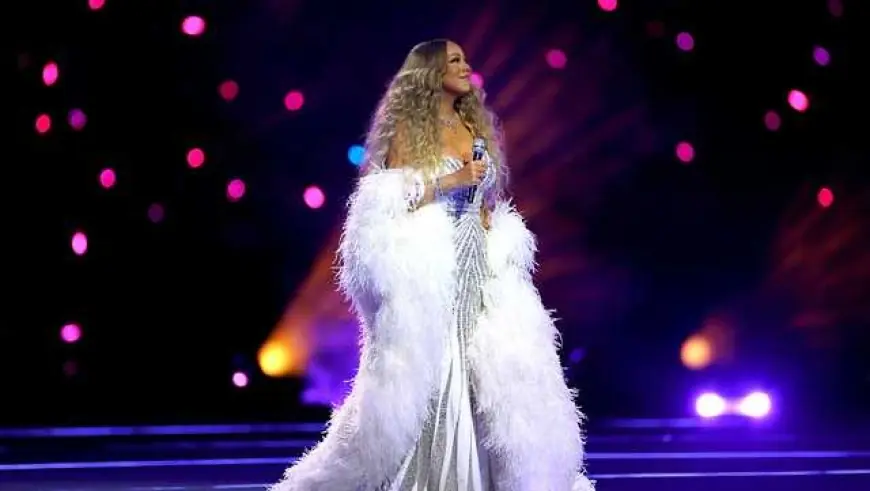
The 2026 Winter Olympics are officially underway in Italy, and the opening-night buzz is being driven as much by pop culture as sport. Mariah Carey and Andrea Bocelli headlined a harmony-themed ceremony in Milan, instantly setting off a flood of questions about where the Olympics are this year, what time the opening ceremony aired in U.S. Eastern Time, and how to find the Olympics schedule today and the Olympic TV schedule in 2026.
The Games run from Friday, February 6 through Sunday, February 22, 2026, with events spread across multiple clusters in northern Italy, centered on Milan and Cortina d’Ampezzo.
What happened at the Olympics opening ceremony in Milan
The opening ceremony took place at San Siro in Milan, beginning at 2:00 p.m. ET on Friday, February 6, aligning with an 8:00 p.m. local start in Italy. The show ran roughly three and a half hours, combining a stadium production with a broader, multi-site presentation designed to reflect the co-hosted geography of Milano Cortina.
Mariah Carey performed an Italian classic commonly known as “Volare,” then followed with one of her own songs. Andrea Bocelli delivered “Nessun Dorma,” leaning into Italy’s operatic identity for a global audience. The ceremony’s theme, often translated as “harmony,” was built around the idea of bringing different places, cultures, and athletic disciplines into one shared frame.
The official opening declaration was made by Italy’s president, Sergio Mattarella.
Behind the headline: why Mariah Carey was there and why it became a lightning rod
Big-name performances at Olympic ceremonies are never just entertainment. They are branding, diplomacy, and audience strategy rolled into one.
Organizers want three things at once:
-
Global attention that cuts through crowded media cycles
-
A “host-country signature” that feels unmistakably local
-
A cross-border hook that makes casual viewers tune in
Carey checks the global-attention box, while Bocelli and other Italian performers anchor the local identity. The pairing also signals a broader trend: opening ceremonies increasingly function like international variety specials, designed to travel well on short clips and next-day highlights.
That’s also why “lip sync” rumors predictably followed. In ceremonies like this, performers often face tough acoustics, cold conditions, and complex staging cues. Some viewers interpret any mismatch or audio polish as proof of miming, even when the more mundane explanation is broadcast mixing and backup vocal layering. As of now, there is no widely confirmed, authoritative determination that Carey lip-synced.
Is Mariah Carey Italian or part Italian
No. Mariah Carey was born in Huntington, New York, and is widely described as having Irish and Afro-Venezuelan heritage. She is 56 years old as of February 2026. She is not known to be of Italian descent.
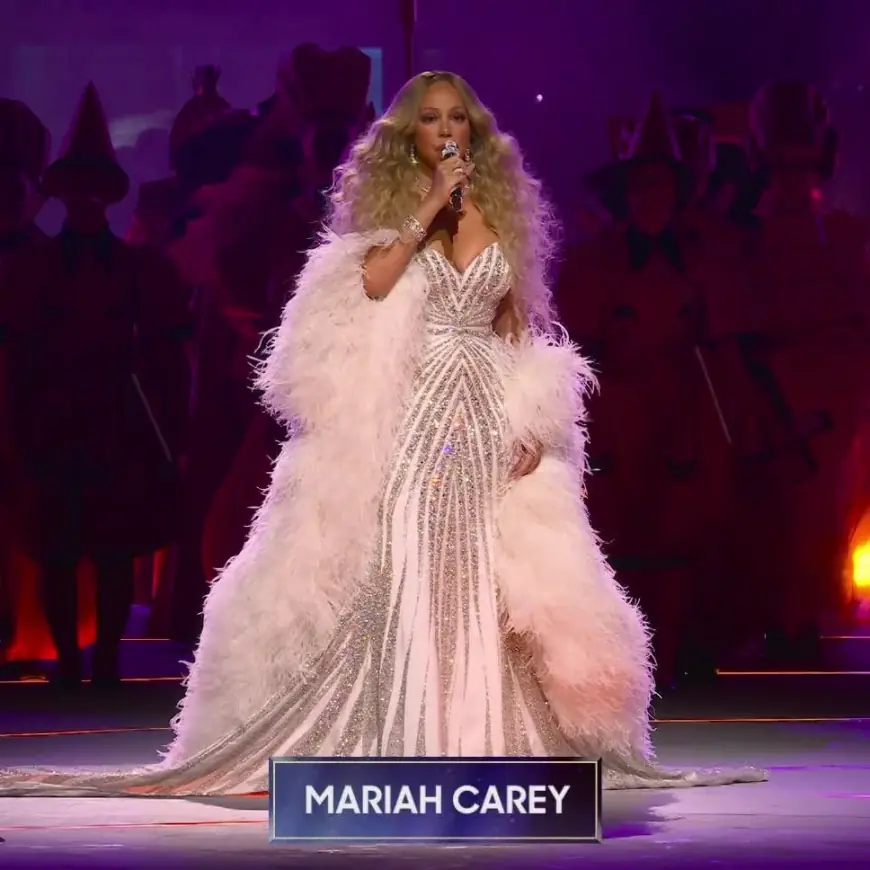
So why sing in Italian? Because performing a host-country cultural touchstone is a standard opening-ceremony move, and Carey’s background includes early exposure to classical and operatic music through her mother, which makes an Italian-language performance more plausible than it might look on paper.
Where are the Winter Olympics 2026 held
Milano Cortina is a true multi-zone Olympics, with major venues and athlete flows split between:
-
Milan for many indoor ice events and ceremony infrastructure
-
Cortina d’Ampezzo and nearby mountain areas for marquee alpine venues
-
Additional clusters in the surrounding regions for sliding sports, Nordic events, and other snow disciplines
The dual-host format is not just a scenic choice. It changes logistics, security planning, transportation demand, and broadcast complexity. It also allows organizers to distribute economic benefits across regions, while spreading the pressure on housing and venue footprints.
Olympics schedule 2026 and the Olympics schedule today
If you are searching “Olympics schedule today” on Saturday, February 7, 2026, the day features a broad mix across ice and snow, including:
-
Alpine skiing, with major medal attention early in the Games
-
Curling round-robin sessions that run throughout the day
-
Luge and speed skating sessions with multiple heats
-
Figure skating segments that begin to shape the early storyline
-
Ice hockey matchups that quietly build momentum toward the medal rounds
One early headline from competition: Switzerland’s Franjo von Allmen won gold in the men’s downhill in Bormio, delivering one of the first major results of the Games.
What channel are the Olympics on and where can I watch the Olympics
In the United States, the Winter Olympics are available through the main national Olympic rights holder, which typically splits coverage across:
-
A primary broadcast channel for major marquee windows
-
One or more affiliated cable channels for live daytime and overflow events
-
A companion streaming service carrying extensive live feeds and replays
Because daily programming shifts by sport, event round, and time window, the fastest way to confirm “Olympics on TV today” is to use the official Games schedule and match it to your local listings for your provider. If you are outside the United States, the rights holder varies by country, so the official “where to watch” listings for your region matter.
What we still don’t know
Several things are still developing that will shape the next 48 hours of headlines:
-
How smoothly the multi-site format works once peak medal traffic ramps up
-
Whether weather and transport constraints start forcing schedule tweaks
-
Which early-breakout athletes become the face of the first week
-
How broadcast partners balance live coverage versus packaged prime-time-style shows
What happens next: realistic scenarios and triggers
-
A ratings bump driven by celebrity ceremony chatter, if social conversation keeps spilling into sports viewing. Trigger: standout moments that remain clip-worthy beyond opening night.
-
A logistics stress test as medal events and travel volume rise. Trigger: weather disruptions or transit bottlenecks between clusters.
-
A shift from ceremony discourse to sport-first narratives by Sunday night. Trigger: multiple high-profile medal results in marquee disciplines.
-
Renewed debate over ceremony choices and authenticity. Trigger: more viral claims about vocals, staging, or national representation.
Why it matters
Milano Cortina 2026 is already proving how the modern Olympics operate: sport is the core product, but attention is captured through storytelling, music, spectacle, and friction. The opening ceremony did its job by making the Games feel culturally specific and globally marketable. Now the real test begins: whether the competition delivers enough daily drama that people stop asking why Mariah Carey was there and start asking who’s winning, who’s surprising, and what’s next on the schedule today.