




















Wolves vs Chelsea: Blues lead early as relegation-hit hosts chase a response


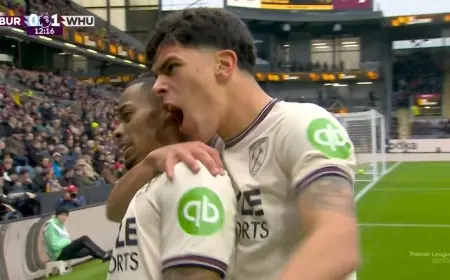
Chelsea struck first at Molineux and held a 1–0 lead over Wolverhampton Wanderers as play continued on Saturday, Feb. 7, 2026, turning a high-pressure afternoon for the hosts into a must-chase scenario. The match kicked off at 10:00 a.m. ET, and the scoreline at 10:20 a.m. ET left Wolves needing both composure and urgency against a side with top-five ambitions.
With Wolves rooted to the bottom of the table and Chelsea sitting inside the European places, the game’s emotional balance was always likely to swing on the first goal. It swung toward Chelsea early.
Match status and key details
| Item | Wolves vs Chelsea |
|---|---|
| Date | Saturday, Feb. 7, 2026 |
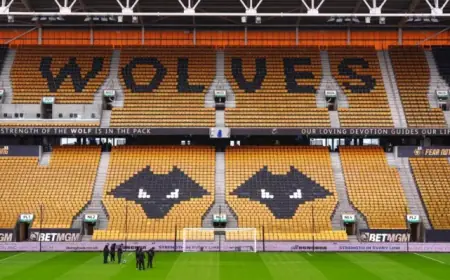
| Venue | Molineux Stadium |
| Kickoff | 10:00 a.m. ET |
| Score (as of 10:20 a.m. ET) | Chelsea 1, Wolves 0 |
What the early goal changes
For Chelsea, scoring first simplifies the away plan: keep the defensive distances tight, avoid cheap turnovers in the middle third, and force Wolves to take more risks than they want. That usually creates the kind of game Chelsea prefer—one where the opponent has to open gaps, and Chelsea can pick moments to counter or control tempo.
For Wolves, conceding first is especially damaging because it pressures their weakest link this season: turning decent spells into goals. When a team spends long stretches down the table, confidence in the final pass and the final touch can evaporate quickly after going behind.
The tactical shape: where the match is being decided
The central battle is about transitions. Chelsea’s priority is to win the ball and attack into space before Wolves can reset. Wolves, meanwhile, need to avoid the “bad loss” pattern: forcing play, giving the ball away, then defending waves of counters.
Three areas have mattered most so far:
-
Wide channels: Wolves need their wide players to carry the ball upfield and earn set pieces. Chelsea want to trap those carries and turn them into breakaways.
-
Second balls in midfield: If Wolves don’t win the scrap moments, their attacks die early and their back line gets exposed repeatedly.
-
Box entries vs. low-percentage shots: Wolves can’t settle for hopeful efforts from distance. They need cleaner entries—cutbacks, near-post runs, and bodies arriving on the penalty spot.
Stakes in the table for both sides
The match is a collision of urgent survival math and top-end ambition.
Chelsea came into the weekend in fifth place, keeping them in the thick of the race for Champions League qualification. Wolves, by contrast, have been anchored at the bottom, with only one win and a mountain of work to do to climb out.
That gap doesn’t guarantee anything in a single match, but it does explain the pressure dynamic: Chelsea can be patient with a lead; Wolves cannot be patient with a deficit.
What Wolves need to change to get back in it
If Wolves are going to flip the game, the path is fairly clear—and difficult:
-
Increase the quality of first contact in the final third. Their best chance is creating a handful of high-quality looks, not a pile of speculative shots.
-
Use set pieces as a real weapon. Against a team protecting a lead, corners and wide free kicks are often the cleanest route to equalizing.
-
Avoid “one mistake equals two goals.” The biggest danger is chasing too hard and conceding again on the counter, effectively ending the contest.
A smart adjustment is measured pressure: push higher in short bursts, but keep enough structure to stop the next Chelsea transition.
What Chelsea will try to do from here
Chelsea’s ideal second phase is controlled aggression: keep possession long enough to drain momentum, then accelerate into the channels when Wolves step forward. The next goal is enormous. If Chelsea score again, the match likely becomes damage limitation for Wolves; if Wolves equalize, Chelsea’s composure under pressure becomes the story.
Expect Chelsea to prioritize:
-
Protecting central lanes
-
Managing game tempo with longer spells of possession
-
Picking moments to attack quickly rather than constantly forcing it
Either way, the last hour should be shaped by urgency on one side and discipline on the other.
Sources consulted: Premier League, BBC Sport, Sky Sports, Opta