
























DOJ Excessively Seizes Hannah Natanson’s Garmin and Reporting Materials

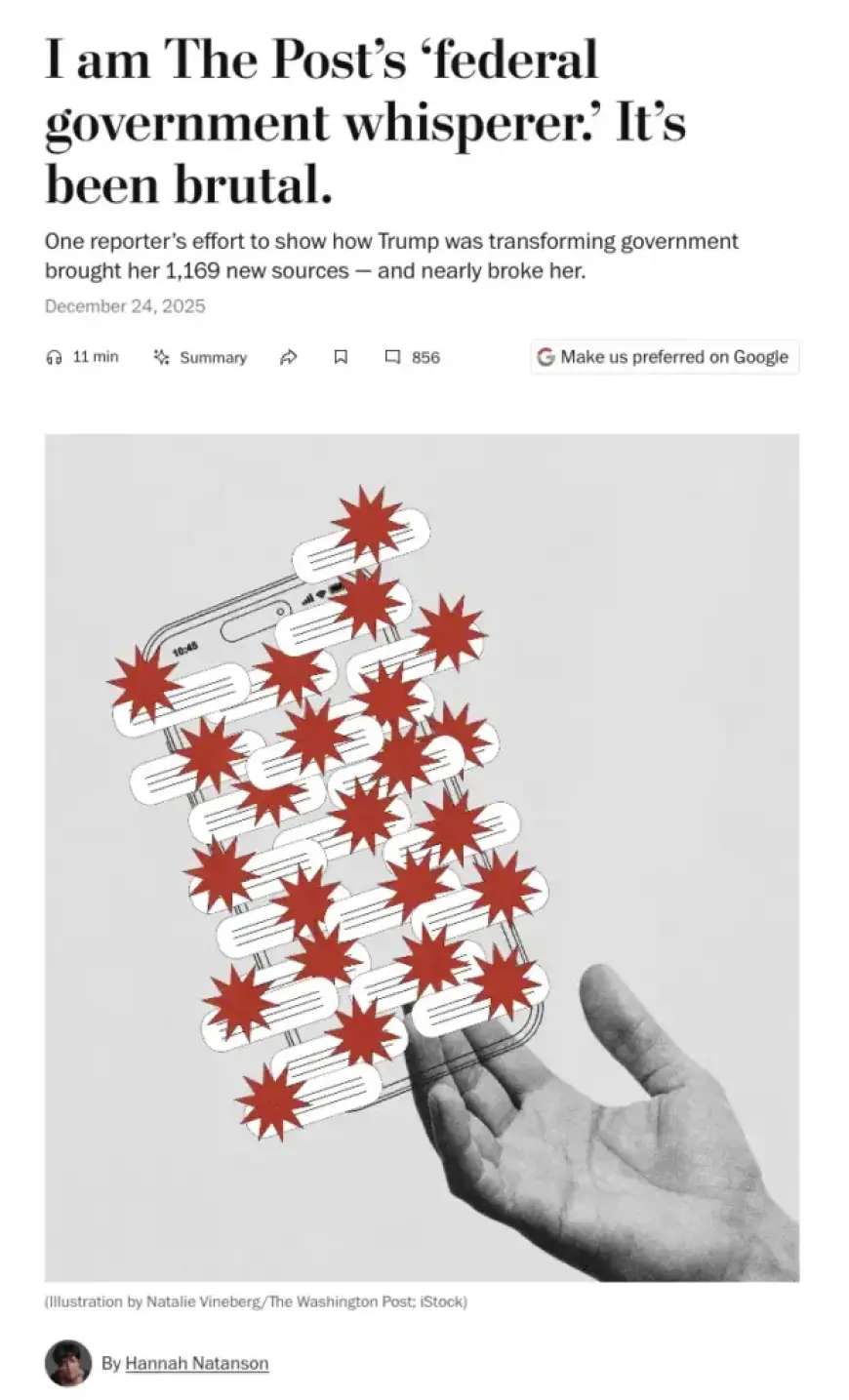
The recent actions of the U.S. Department of Justice have raised significant concerns regarding the First Amendment rights of journalists. In a controversial search, the FBI seized the personal devices and reporting materials of Hannah Natanson, a reporter for The Washington Post. This incident has ignited debate over the legal protections for journalists under the Privacy Protection Act.
Seizure of Natanson’s Devices
Hannah Natanson’s devices were seized during an FBI investigation linked to leak inquiries. Notably, the FBI overstepped its bounds by also taking her Garmin device. This action has drawn criticism as the FBI had no legitimate grounds for needing such personal items, given that they had confirmed Natanson only communicated with the subject of their investigation electronically.
Search Warrant Controversy
- The Justice Department did not inform a magistrate judge about the Privacy Protection Act during their warrant application.
- The 1980 Act prohibits the seizure of journalistic materials unless journalists are suspected of crimes related to that material.
- Gabe Rottman from the Reporters Committee for Freedom of the Press highlighted the implications of this omission, noting it could have influenced the judge’s decision.
This negligence by the DOJ potentially led to an insufficiently scrutinized warrant, allowing for excessive material seizure beyond the probable cause established in the application.
Concerns Over Reporting Protections
According to various sources, the extent of the materials taken from Natanson was troubling. The FBI not only seized her personal devices but also made copies of encrypted Signal conversations to prevent automatic deletions from occurring.
Implications for Journalistic Integrity
Keith Starr, an FBI agent involved in the case, appeared to misrepresent what journalists are required to do concerning their notes. This incident raises questions about the FBI’s understanding of journalistic practices and the boundaries that protect them.
Reportedly, the warrant included seven pages detailing Natanson’s published articles, highlighting the reliance on her own disclosures for establishing probable cause. Concerns were raised about how actively the DOJ engaged with existing federal laws protecting journalism, specifically mentioning the Privacy Protection Act.
Legal Ramifications and Public Response
- Charlie Savage emphasized that the lack of reference to the Privacy Protection Act in the affidavit could expose prosecutorial misconduct.
- Natanson’s experience has prompted calls for more robust protections for journalists against unwarranted government searches.
This situation reflects an ongoing struggle to uphold journalistic independence in the face of government inquiries. The ramifications of these actions will likely resonate within the journalism community, impacting how sources are protected moving forward.