























Iceland balances volcano vigilance with a midwinter tourism surge

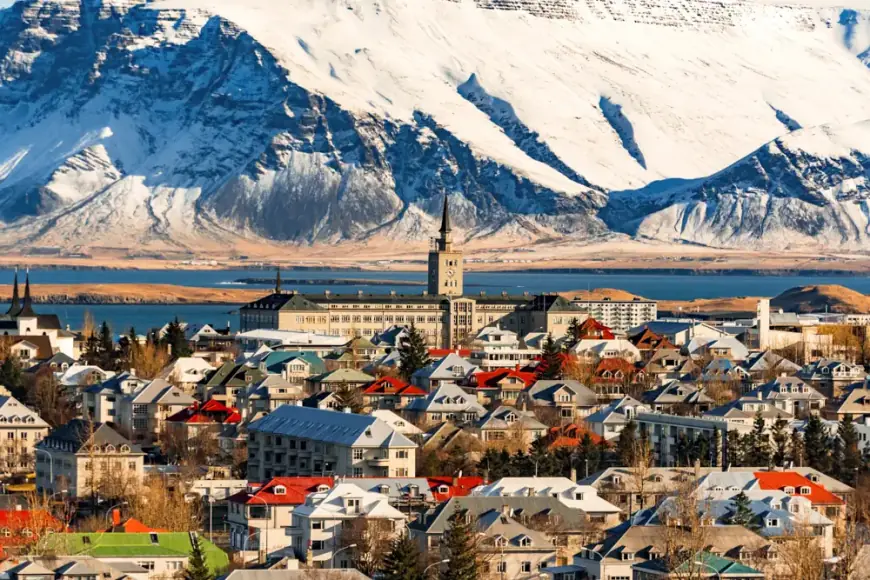
Iceland is heading into its busiest winter weekend under a familiar kind of tension: a major cultural festival is drawing visitors into Reykjavík just as monitoring teams warn that magma build-up on the Reykjanes Peninsula is approaching levels seen before past eruptions. For residents and travelers, the message is a mix of celebration and caution—most of the country is operating normally, but the southwest remains under close watch and plans can change quickly.
Reykjanes volcano system: why the alert level stays high
In the Reykjanes Peninsula’s ongoing volcanic episode, the most important indicator right now is what’s happening beneath the Svartsengi area: the volume of magma accumulating underground continues to rise, and modeling suggests it is nearing the upper range observed between recent eruptions. The current lull has also become one of the longer pauses seen since the eruption sequence began, a pattern that has preceded renewed activity in the past.
Officials have emphasized that a higher magma “pressure” does not guarantee an eruption on a specific day or hour. It does, however, increase the probability of a new magma intrusion, which can trigger rapid ground deformation and earthquake swarms—sometimes with limited warning.
Earthquakes and ground movement: what monitoring is picking up
Seismic activity in the southwest remains a key signal because clusters of small quakes can indicate shifting rock as magma migrates. Recent days have featured scattered tremors and localized swarms in parts of the Reykjanes system, the kind of activity that keeps scientists and civil protection on heightened readiness.
For the public, the most practical takeaway is that the risk is geographically concentrated. Reykjavík and most major tourist destinations around the island are far from the highest-risk zone, but the corridor between the capital and the airport, and the broader Reykjanes area, are where alerts, road changes, and access limits tend to appear first when conditions shift.
What it means for travelers: airport, roads, and the Blue Lagoon question
Keflavík International Airport has continued to operate through the volcanic episode, and most disruptions in recent months have been tied to localized hazards—gas, lava flows, or road closures—rather than a nationwide shutdown. That said, the Reykjanes Peninsula is also home to major visitor stops, and access can tighten rapidly if seismicity increases.
If you’re traveling in the coming days, the practical pressure points are:
-
whether authorities restrict access to specific roads on the peninsula,
-
whether gas conditions trigger temporary closures near active or recently active areas,
-
and whether tourist sites in the southwest adjust opening hours on short notice.
The broader advice is straightforward: keep plans flexible if your itinerary leans heavily on the southwest, and treat official safety notices as the deciding factor for any “volcano-viewing” ambitions.
Reykjavík’s Winter Lights festival draws crowds despite the watchfulness
Against the volcanic backdrop, Reykjavík is leaning into winter: the city’s Winter Lights festival is underway, turning the long darkness into a canvas of installations, performances, and public events. The festival has become a reliable February magnet for visitors who want the northern lights experience but also want a structured city program—especially families and short-break travelers.
For tourism businesses, the dynamic is familiar: as long as the capital region runs normally and flights are steady, demand holds. The bigger question is whether viral headlines about “Iceland volcano” discourage bookings even when the risk is localized.
Why Iceland remains a “go,” with caveats
Iceland’s core appeal in winter—aurora chasing, geothermal pools, stark landscapes—hasn’t changed. What has changed is the need for sharper situational awareness in the southwest. For many travelers, the most sensible approach is to keep the itinerary diversified: pair Reykjavík and the Golden Circle with regions farther from the Reykjanes system, so a localized closure doesn’t unravel the whole trip.
For locals, the watch-and-wait rhythm has become part of daily life: normal routines, plus a constant readiness for new alerts and changing access around the peninsula.
What to watch next
The next meaningful signals will be concrete and measurable:
-
a sustained jump in earthquake frequency near key fissure systems,
-
faster ground uplift around Svartsengi,
-
or new hazard-area updates that change access and travel guidance.
Until then, Iceland is living in two modes at once: a winter city festival that invites people in, and a volcanic system that demands respect.
Sources consulted: Icelandic Meteorological Office, Icelandic Civil Protection, Reuters, Associated Press