























Taylor Swift’s “Opalite” Music Video Drops With Domhnall Gleeson as a Rom-Com Gemstone Fantasy—and a Release Strategy That’s Turning Heads

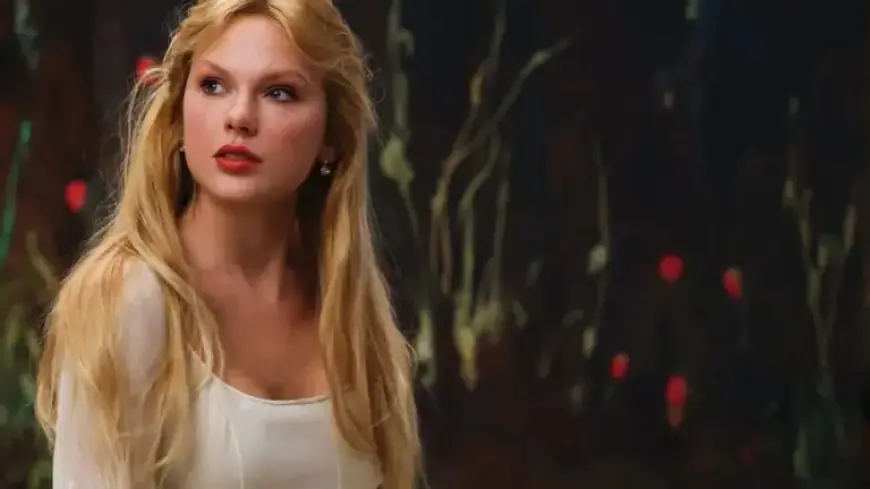
Taylor Swift has unveiled the music video for “Opalite,” a bright, playful entry in her current era that leans hard into 1990s rom-com language—pastel color blocking, punchline sight gags, and a deliberately sweet emotional payoff. The headline casting is Domhnall Gleeson as the video’s lonely, lovelorn counterpart, with the concept built around a bottle of “Opalite” that acts like a magic spray for connection. The video arrived Friday, February 6, 2026, with a rollout designed to feel both exclusive and unavoidable, immediately prompting debate about where fans can watch it and why it wasn’t released everywhere at once.
The result is a familiar Swift move: a product that’s easy to meme, simple to describe in one sentence, and structured to reward repeat viewing—while the distribution plan itself becomes part of the conversation.
What happened in the “Opalite” video, and why it’s already everywhere
The video plays like a knowingly absurd romantic comedy short. Gleeson’s character is introduced as lonely and stuck in a loop of small, beige routines. Swift enters through the film’s central gimmick: “Opalite” is portrayed as an enchanted aid that flips the world from flat to luminous, first through playful non-human “dating” jokes and then through a more traditional meet-cute arc.
It’s whimsical in a way that’s strategic. The plot isn’t meant to be decoded; it’s meant to be repeated. Each scene is staged to produce clean reaction clips, recognizable screenshots, and easy caption fodder—exactly what turns a music video into an all-week social object.
The cameo energy is also part of the formula. The supporting appearances are framed like a reunion of a popular talk-show couch lineup from late 2025, turning a behind-the-scenes “everyone was there that night” anecdote into the casting concept itself. The wink to television culture makes the video feel communal, as if fans are being invited into an in-joke that still works even if you weren’t in on it.
Why Domhnall Gleeson is the right co-star for this kind of Swift video
Gleeson brings a specific kind of credibility to a playful premise: he can sell sincere vulnerability without collapsing into parody, which is crucial when the script asks viewers to accept magical logic without rolling their eyes. His presence also signals that Swift is still treating the music video as a mini-movie rather than a performance clip.
That matters because the entire “Opalite” premise depends on emotional balance. If it’s too serious, it’s corny. If it’s too silly, it’s disposable. Gleeson helps hold the middle lane.
The rollout: why fans can’t just watch it everywhere on day one
A big part of the story is the release strategy. “Opalite” premiered first on paid music-streaming services, rather than launching simultaneously on the largest free video platform. That choice has triggered predictable fan friction—some viewers feel locked out—while also accomplishing two business goals at once: funneling first-week viewing into subscription ecosystems and concentrating engagement into a narrower measurement window.
The current plan is for a wider, free-to-watch release on Sunday, February 8, 2026, at 8:00 a.m. ET. That timing is not accidental: it creates a second surge of attention on one of the most crowded media days of the year, ensuring the video gets a new headline cycle even after the first wave of discussion fades.
Behind the headline: incentives, stakeholders, and why this video is a case study in modern pop distribution
The incentives are straightforward:
-
Swift benefits from scarcity on day one because scarcity produces urgency, and urgency produces conversation.
-
Streaming partners benefit from an exclusive window that nudges sign-ups and reduces churn.
-
Fans split into “in” and “out” groups, which fuels even more talk—complaints, workarounds, and countdown anticipation.
The stakeholders are broader than they look:
-
Casual listeners who discover the song through short clips and want a frictionless viewing option.
-
Dedicated fans who will watch multiple times regardless, but resent feeling forced into a specific service.
-
Industry observers tracking whether exclusive video windows become the new norm for top-tier releases.
Second-order effects matter here. If this rollout works—meaning the video gains two distinct spikes of attention—expect more major artists to adopt staggered releases. If it backfires—meaning anger drowns out excitement—labels may retreat to the old “everywhere at once” model.
What we still don’t know
A few missing pieces will shape whether “Opalite” becomes a lasting era-definer or a fast viral burst:
-
Whether the wider Sunday release changes the narrative from access complaints to creative praise
-
How quickly the song’s performance stabilizes once the full audience can view the video without a paywall
-
Whether Swift repeats this playbook for the next single, signaling a long-term strategy rather than a one-off experiment
What happens next: realistic scenarios with triggers
-
The Sunday morning free release creates a second viral wave if the funniest scenes translate into short clips that circulate beyond the fan base.
-
Backlash cools if the wider release feels generous and the “exclusive window” is framed as brief and intentional.
-
Industry copycats emerge if the two-step rollout boosts both subscriptions and mainstream buzz without damaging sentiment.
-
Fans push back harder if access remains confusing or if future videos adopt longer exclusivity windows.
-
The video becomes an awards-season fixture if its narrative format and star casting keep it in conversation as a “short film” rather than a standard promo.
“Opalite” is ultimately doing two jobs: selling a song through an easy-to-love romantic fantasy, and testing how much control a top artist can exert over where, when, and how fans watch. The creative is the hook. The rollout is the experiment.