

























NASA Approves iPhones for Moon Missions, Boosting Apple’s Space Presence

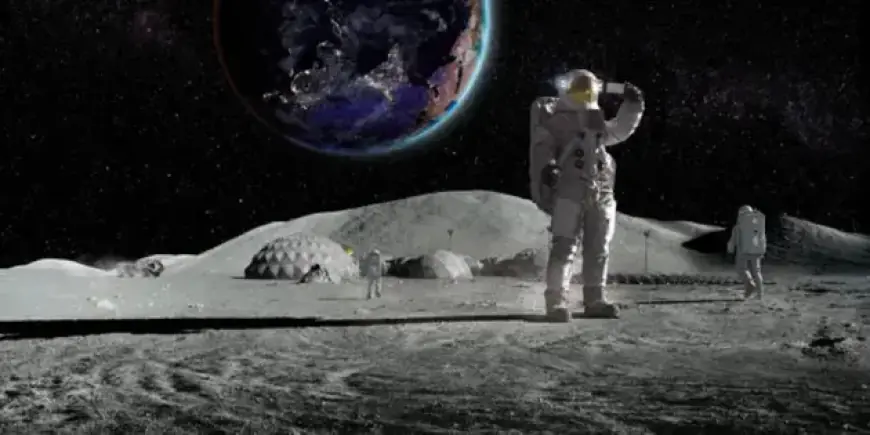
In a groundbreaking decision, NASA has approved the use of iPhones for upcoming moon missions. This marks a significant shift in the agency’s stance on personal technology in space. Astronauts can now utilize Apple’s smartphones during their missions, enhancing communication and functionality on the lunar surface.
Nasa’s Policy Change on Technology in Space
Historically, NASA maintained strict regulations regarding what astronauts could bring aboard spacecraft. However, recent changes have opened the door for personal devices. The introduction of iPhones into the lunar program illustrates NASA’s commitment to modernizing its approach to technology.
The Role of iPhones in Lunar Missions
The integration of iPhones into space missions allows for improved communication capabilities. This can facilitate better coordination among astronauts and support teams on Earth. Additionally, iPhones can be used for various applications, from scientific data collection to entertainment during long missions.
Benefits of Using iPhones in Space
- Enhanced Communication: Astronauts can stay in touch with family and mission control.
- Scientific Applications: Use of specialized apps for research and data management.
- Entertainment: Access to music and video to help relax during downtime.
Looking Ahead: The Future of Technology in Space Exploration
This approval represents not only a significant technological advancement but also a cultural shift within NASA. As the agency prepares for its next lunar missions, the inclusion of devices like iPhones could pave the way for more innovative approaches in future explorations.
NASA’s decision to allow iPhones in space provides exciting prospects for astronauts. It signifies a step towards integrating modern technology into the realm of space missions. With Apple now playing a part in space exploration, the future looks promising for both the tech and space industries.