

























Teeth Unveil the Widening Wealth Gap

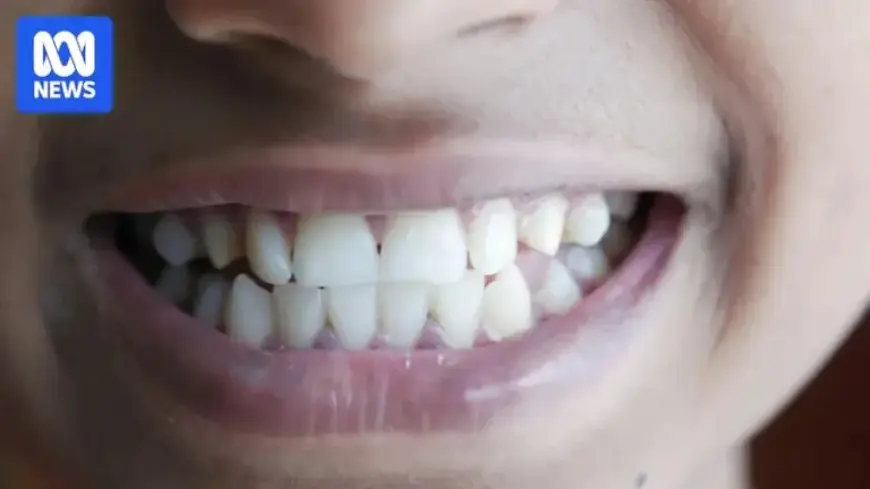
The widening wealth gap in society is starkly illustrated by the condition of people’s teeth. In her essay for Aeon, journalist Sarah Smarsh highlights how “poor teeth” are often unfairly attributed to individual choices. This notion leads to stigma, but the reality is that poor dental health can hinder job opportunities and exacerbate poverty. While societal norms promote idealized, flawless smiles, many individuals struggle with the consequences of dental neglect.
Historical Context of Dental Care in Australia
Australia’s dental care landscape has long been skewed. When the Medicare system was established in the 1970s, dental care was excluded from its framework. However, since 2014, children up to 17 years can access free dental care through the Child Dental Benefits Schedule, provided they meet specific criteria.
Current State of Dental Care Access
Despite these measures, a significant percentage of Australians still face barriers to dental care. A report from the Grattan Institute in late 2024 revealed that over two million Australians avoid necessary dental treatment due to costs. Additionally, more than 40% of adults delay dental visits for over a year.
- Over two million Australians forgo dental care because of financial constraints.
- 40% of adults often wait more than one year before consulting a dentist.
- In July 2025, one-third of Australians were eligible for public dental services.
The public dental system, although available, remains underfunded and overburdened, leading to lengthy wait times for services across various states. In extreme cases, individuals may wait years for treatment, resulting in unnecessary hospital visits due to untreated dental emergencies.
The Broader Impact of Poverty on Dental Health
In the UK, the welfare system enforces stringent criteria for disability benefits access, similar to Australia’s framework. A significant finding from recent surveys indicates that one in five Australian children only brush their teeth once a day, highlighting a lack of awareness about dental hygiene.
Personal Narratives and Public Awareness
Linda Tirado’s book, “Hand to Mouth,” delves into the harsh realities faced by low-wage workers, shedding light on the burdens of poverty, including dental health. Her narrative, which initially gained traction on social media, illustrates the societal stigma surrounding poor dental conditions. In her work, Tirado captures the struggles of living paycheck to paycheck while raising children.
The importance of personal stories in the dialogue about poverty is emphasized in the 2024 collection “Povo,” which features voices from those with direct experience. Victor Guan Yi Zhou’s story poignantly connects personal expression through dental adornments with broader themes of aspiration amidst adversity.
Conclusion
The issue of dental health acts as a barometer for social inequality and economic opportunity. As awareness grows regarding the link between socio-economic status and dental health, it becomes crucial to address the systemic deficiencies within public dental care systems. As Australia navigates discussions about wealth disparity, the focus on equitable access to dental care can be a significant step toward closing the gap.