

























Exploring Rio’s Impact on Cinema

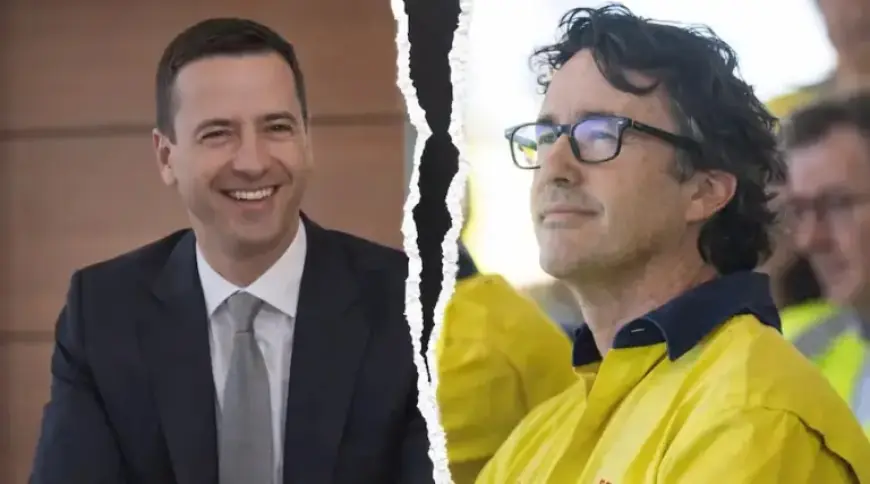
The recent attempts for a merger between Glencore and Rio Tinto have sparked considerable discussion in the mining industry. Glencore’s former CEO, Ivan Glasenberg, had long pursued this merger. However, discussions came to an abrupt halt within just 24 hours.
Rio Tinto’s Decision to Abort Merger Talks
Rio Tinto announced it would cease pursuing the merger due to insufficient shareholder value. The mining giant concluded that a potential agreement wouldn’t deliver adequate returns for its investors. This came as a disappointment to Glencore, which had long anticipated a more balanced ownership structure.
Leadership Conflicts
One of the significant sticking points was leadership roles. Glencore’s CEO, Gary Nagle, was willing to walk away if the terms didn’t meet their financial expectations. Simon Trott, leading Rio Tinto, emphasized the necessity of control and how closely it was tied to the valuation of the company.
Market Dynamics
Before negotiations began, Rio stood as the larger entity, boasting a market value more than double that of Glencore. This dominance played a pivotal role in their approach to the merger. Glencore proposed shared leadership, suggesting a 60-40 ownership split, while Rio sought to maintain a 69-31 split that favored them significantly.
Fiscal Implications of the Merger
- Glencore’s Financial Position: Facing a 40% decline in copper output over the previous decade, Glencore aimed to regain investor confidence amid rising copper prices.
- Rio Tinto’s Strategy: The merger would allow Rio to diversify its focus beyond iron ore, particularly at a time when its prices were vulnerable.
- Potential Growth: A merger could have positioned Rio as the world’s largest miner, potentially doubling its copper output and enhancing its portfolio.
Unresolved Value Disputes
At the core of the negotiations was a fundamental disagreement regarding company valuations. Glencore perceived the prevailing ratios as skewed, advocating for a fairer reflection of its copper assets. Despite the potential for cooperative growth, the disparity in perceived value proved insurmountable.
Conclusion: A Missed Opportunity
Ultimately, the talks fell apart not due to misunderstandings over leadership but rather a clash over financial valuations and market cycles. Until both sides reach a consensus on value, this merger will remain a captivating but unrealized opportunity in the mining sector.