

























FDA Eases Regulations on ‘Naturally Derived’ Dyes

The Food and Drug Administration (FDA) recently announced a significant easing of regulations concerning food dyes. This change allows manufacturers to claim their products contain no artificial colors, as long as they do not use petroleum-based dyes.
Overview of the Regulatory Changes
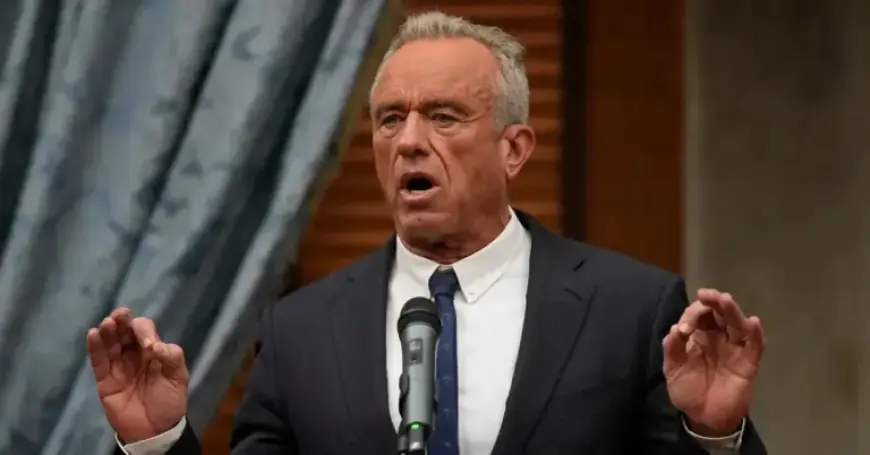
Health Secretary Robert F. Kennedy Jr. and FDA officials made this announcement on Thursday. The previous regulation required that any product marketed as having “no artificial colors” could not contain any added dyes. Under the new guidelines, manufacturers can promote their products without the stringent enforcement of this rule.
Encouraging the Use of Natural Dyes
The key goal of this regulatory change is to promote the use of naturally derived dyes. Kennedy highlighted that by reducing the barriers for companies, the FDA hopes to steer them away from synthetic colors in favor of safer alternatives. The recent shift is part of a broader initiative aimed at improving the American diet.
Newly Approved Natural Dyes
As part of these developments, the FDA has also approved two new color additives:
- Beetroot Red
- Expanded use of Spirulina Extract
These approvals increase the total number of permissible natural dyes to six since President Trump and Kennedy took office.
Broader Dietary Goals
Kennedy’s efforts extend beyond food dyes. He aims to revamp American dietary guidelines by promoting more protein consumption, including steak, cheese, and whole milk, while recommending limits on carbohydrates. The new guidelines emphasize real food choices for consumers.
In his tenure, Kennedy has faced criticism regarding synthetic food dyes. Health advocates have voiced concerns about potential behavioral issues in children linked to these dyes. However, the food industry defends the safety of their ingredients, including some natural alternatives that may not necessarily be safer.
Future Plans and Industry Response
Kennedy also emphasized an understanding with major food manufacturers to eliminate petroleum-based dyes from their products by 2026. His approach relies on voluntary cooperation rather than strict regulations or legislation. This strategy has yielded some cooperation from large companies such as Nestlé and Conagra, although resistance remains from sectors like candy manufacturing that depend on artificial dyes.
As focused discussions continue in the industry, Kennedy is actively engaging with the public. He is slated to participate in a cattle industry convention in Tennessee, where he will further advocate for his dietary changes.