
























UK Borrowing Costs Surge Amid Growing Concerns Over Starmer’s Future

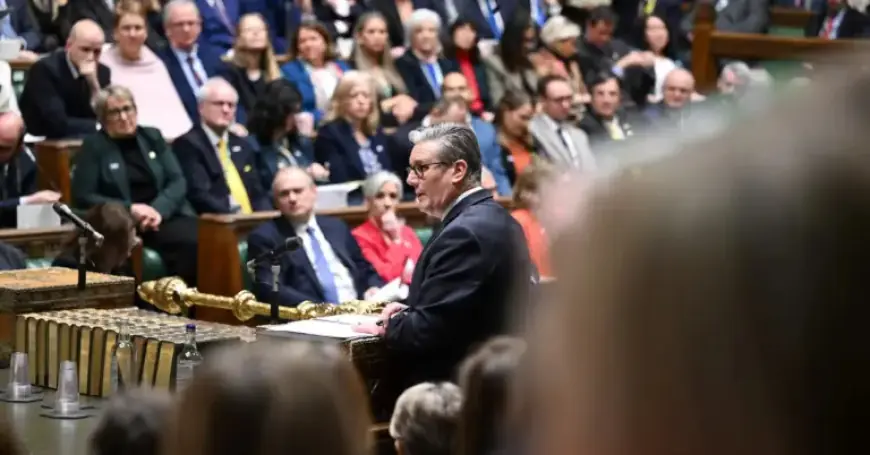
British borrowing costs have surged amid rising concerns regarding Prime Minister Keir Starmer’s leadership following his controversial appointment of Peter Mandelson as U.S. ambassador. Starmer’s decision has led to scrutiny about his capability to maintain control over government policies, just 18 months after a decisive election victory.
Recent Developments in UK Bond Yields
Longer-dated government bond yields in the UK have increased for the second consecutive day. On February 5, 2023, the 10-year gilt yields reached their highest level since November, rising approximately 3 basis points to 4.605% at 1031 GMT. Meanwhile, the yield on the 30-year bonds climbed around 7 basis points to 5.406%, also marking a significant rise.
- 10-year gilt yields: 4.605%
- 30-year bond yields: 5.406%
- Gap between 2-year and 10-year yields: 85.5 bps (highest since April)
Concerns Over Starmer’s Future
Starmer is facing intense pressure to justify his choice of Mandelson, especially given the latter’s prior associations with Jeffrey Epstein. Critics claim that the government’s decision was influenced by a belief in Mandelson’s ability to navigate relations with the U.S. during Donald Trump’s presidency. This situation has dominated headlines, with newspapers asserting that Starmer is in “grave peril” and fighting for his political future.
Cathal Kennedy, a senior economist at RBC, highlighted market unease over potential leadership changes within the Labour Party. The Eurasia Group, a political risk consultancy, has now estimated an 80% probability of a leadership challenge or Starmer’s removal this year, up from the previous 65% assessment.
Market Reactions and Future Outlook
Should Starmer resign, Angela Rayner is viewed as the likely successor, which could indicate a shift toward a more left-leaning fiscal policy and an increase in bond issuance. Consequently, this prospect has added uncertainty to fiscal policy direction for the remaining term of the Labour government.
On the currency front, the British pound fell by 0.7% against the U.S. dollar, trading at around $1.356. This decline makes it the weakest major currency on that day, coinciding with a broader rally for the dollar.
Market expectations regarding interest rates remain intact. The Bank of England is anticipated to keep its main interest rate at 3.75% following several cuts in 2025, with investors considering potential further reductions in borrowing costs within the year.
As key events unfold, the political and economic landscape in the UK remains tense. Observers will be keen to see how Starmer navigates these challenges and how they may affect the country’s financial health.