
























Bill Gates back in focus as new Epstein files spur fresh questions from Melinda Gates

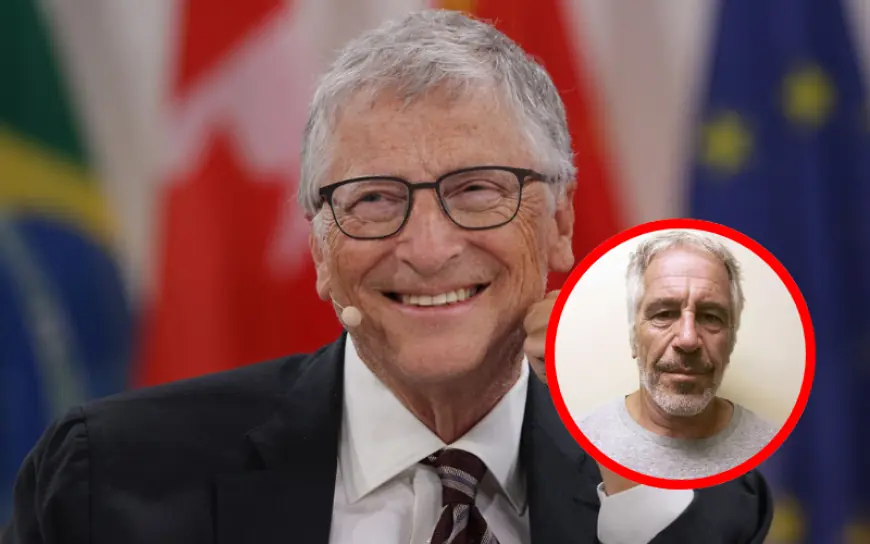
A new government release of Jeffrey Epstein-related records has reignited scrutiny of Bill Gates’ past meetings with Epstein and pushed Melinda French Gates back into the public conversation about why their marriage ended. The documents themselves do not allege criminal wrongdoing by Gates, but they include draft emails and references that have fueled renewed attention—alongside Gates’ latest on-the-record insistence that his time with Epstein was a mistake he regrets.
What “the Epstein files” release includes
On Friday, Jan. 30, 2026 (ET), the U.S. Justice Department added a large tranche of Epstein-related materials to its public archive, described as roughly three million pages in total across multiple file types. The release is part of a transparency initiative that has produced repeated waves of disclosures, with many items offering fragments of context—draft emails, contact references, scheduling notes, and assorted records that can be easy to misread when circulated as screenshots.
For the public, the practical impact is less about one “smoking gun” document and more about volume: each new batch creates an environment where names recur, partial threads resurface, and older controversies get re-litigated in real time.
Bill Gates Epstein: what Gates is saying now
In a new interview airing Wednesday, Feb. 4, 2026 (ET), Gates described his association with Epstein as “foolish” and said he regrets spending time with him. He also reiterated a long-standing claim that his interactions were framed around philanthropy and fundraising for global health and education efforts—an explanation he has offered in prior years.
At the same time, Gates denied sensational assertions circulating from the newly released material and related commentary, including claims embedded in Epstein-linked drafts. The core distinction Gates is trying to draw is this: he acknowledges the meetings were a serious error in judgment, but rejects allegations that imply criminal conduct or the kinds of activities tied to Epstein’s trafficking crimes.
Melinda Gates’ response and why it matters
Melinda French Gates, speaking in excerpts from an interview released this week (ET), said the renewed attention brought back “painful” memories and emphasized that any unanswered questions about Gates’ association with Epstein are for Gates to address—not her. Her comments landed as part of a broader theme she has discussed publicly: that trust was broken and that Epstein-related issues were among the factors that contributed to the end of the marriage.
She also touched on forgiveness in personal terms, describing it as a process rather than a single decision. The key takeaway from her remarks is not a new allegation, but a clear boundary: she is not positioning herself as an interpreter or defender of her ex-husband’s choices.
What the documents do—and don’t—prove
The online debate often collapses into a binary: “named in the files” versus “cleared.” The reality is more mundane and more important. A name appearing in emails, notes, or third-party communications can mean many things, including attempted networking, bragging, manipulation, or opportunism by Epstein himself.
This week’s release has amplified that interpretive problem because some of the most viral claims are rooted in draft messages attributed to Epstein. Drafts can show intent, fixation, or attempted leverage, but they don’t automatically verify the truth of what Epstein wrote—especially given his documented pattern of using relationships and access as bargaining chips.
Key points to keep straight:
-
The release has intensified scrutiny, but it does not publicly establish criminal wrongdoing by Gates.
-
The most provocative claims circulating are not necessarily corroborated by independent records in the release.
-
Epstein’s communications can reflect attempts to influence, pressure, or impress—rather than reliable fact.
The reputational stakes for Gates and the foundation world
Even without legal jeopardy, the reputational stakes are real. Gates’ influence in philanthropy and global health has long depended on institutional trust, partnerships, and the credibility of the networks around him. Fresh document releases create recurring stress tests for that ecosystem: donors and partners reassess optics, critics push for accountability, and defenders argue that judgment lapses should not eclipse decades of work.
The forward-looking question is whether Gates will face sustained pressure to provide a more detailed public timeline—who introduced him to Epstein, what topics were discussed, and why the relationship lasted as long as it did. In the current climate, silence tends to invite speculation, while over-explaining can prolong the story. Gates’ comments this week suggest he is trying to hold the line: admit error, deny wrongdoing, and move on.
What to watch next
The next developments are likely to come from three directions: additional government updates to the archive, clarifications from individuals whose names recur in the material, and a renewed focus on the mechanics of redactions and privacy protections for victims. For Gates specifically, the near-term indicator is whether he offers further detail beyond general regret—and whether Melinda French Gates’ remarks lead to follow-up questions that keep the story in the spotlight into February.
Sources consulted: U.S. Department of Justice, Reuters, Associated Press, PBS NewsHour