






















Chris Paul to Raptors in three-team trade as Ochai Agbaji heads to Nets

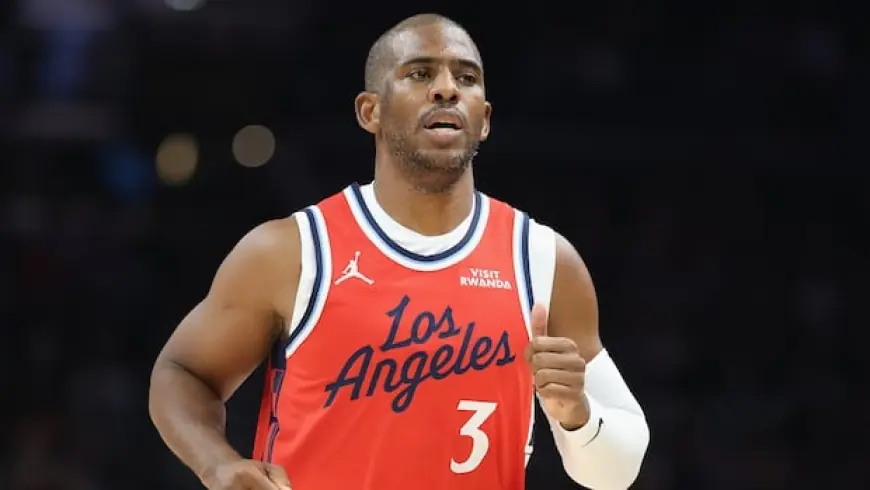
The Toronto Raptors made one of the deadline’s more pragmatic moves, acquiring veteran point guard Chris Paul from the Los Angeles Clippers in a three-team deal completed ahead of Thursday’s 3:00 p.m. ET trade cutoff. The immediate on-court impact is still uncertain: Paul is not expected to report right away, and the working assumption around the league is that a buyout is possible, which would make him a free agent shortly after the transaction is processed.
For Toronto, the bigger story is roster and payroll positioning. For Brooklyn, it’s a young wing and a future pick. For the Clippers, it’s a small but important piece of flexibility.
The trade terms in plain English
The deal sends Paul to Toronto, routes Ochai Agbaji to Brooklyn, and sends draft rights to a long-stashed player to the Clippers. Cash and a future second-rounder help balance the accounting.
| Team | Received | Sent |
|---|---|---|
| Raptors | Chris Paul | Ochai Agbaji; 2032 second-round pick |
| Nets | Ochai Agbaji; 2032 second-round pick; cash | Draft rights to Vanja Marinković |
| Clippers | Draft rights to Vanja Marinković | Chris Paul; cash |
Why Toronto took Chris Paul (even if he never plays)
At face value, trading for a 40-year-old point guard who may not report looks odd for a developing team. But the move makes more sense as a deadline tool than as a basketball decision.
Toronto’s motivation centers on flexibility: swapping Agbaji’s expiring salary slot for Paul’s smaller cap number can help the Raptors manage their tax position and preserve future options. If a buyout follows, Toronto likely converts the transaction into a combination of: (1) financial relief, (2) a roster spot, and (3) a cleaner path to evaluate younger guards without juggling extra minutes on the wing.
If Paul does become available later, Toronto would have a second decision point: keep him as a stabilizing veteran voice or move him again in a follow-up transaction. Either way, the deal reads as cap management first, on-court plan second.
What the Raptors are losing in Ochai Agbaji
Agbaji, 25, is a low-usage wing whose value comes from defending, running the floor, and taking open threes when the ball swings his way. This season he’s been used in a modest role (about 15–16 minutes a night), averaging roughly 4 points and 2 rebounds per game, with his impact tied more to effort possessions than box-score lines.
The risk Toronto takes is simple: wings who can hold up defensively and stay within a system are hard to replace, even if they aren’t stars. The reward is equally clear: if the Raptors weren’t planning to re-sign him at their price, moving him now is better than losing him later for nothing.
Brooklyn’s angle: a wing, a pick, and optionality
For the Nets, this is the kind of deadline deal that quietly matters. They add a 25-year-old wing who fits a modern roster template and pick up a second-rounder far enough out that it functions like a long-horizon asset. It’s not a “win now” move; it’s a portfolio move—another small swing at finding rotation value without committing major salary.
Agbaji’s cleanest path to minutes in Brooklyn is defensive reliability. If he can defend multiple spots and hit enough open shots, he becomes the type of player that either sticks as a role piece or gets flipped later as part of a larger trade.
The Clippers: why draft rights matter
The Clippers’ return—draft rights to Vanja Marinković—sounds minor, but this kind of asset can be useful in a league where roster spots and hard-cap constraints create constant friction. Rights can be held without taking a roster slot, and they can be used as a small trade component when teams need to complete multi-team math.
The larger benefit for Los Angeles is what the move does around the edges: clearing a pathway to manage roster counts and flexibility at the deadline, especially if the team intends to convert two-way contributors to standard contracts.
What happens next for Chris Paul
The next step is administrative, then practical. Once the trade is fully processed, the Raptors can either ask Paul to report, pursue a buyout, or explore another deal if there’s interest before the final deadline window closes.
If Paul is bought out, the league-wide question becomes fit: contenders looking for steadier bench creation or injury insurance often value a veteran organizer, even at reduced minutes. Paul hasn’t played since early December after being separated from the Clippers, so any next landing spot would likely be framed around health, conditioning, and role clarity.
For Toronto, the tell will be simple: if Paul is bought out quickly, this was primarily a tax-and-flexibility move. If he reports and plays, it becomes a short-term basketball experiment.
Sources consulted: NBA.com, Reuters, CBS Sports, Hoops Rumors