





















Billie Eilish and Emily Austin Clash After Grammys 2026 Speech Sparks Viral Backlash and a New Culture-War Feedback Loop

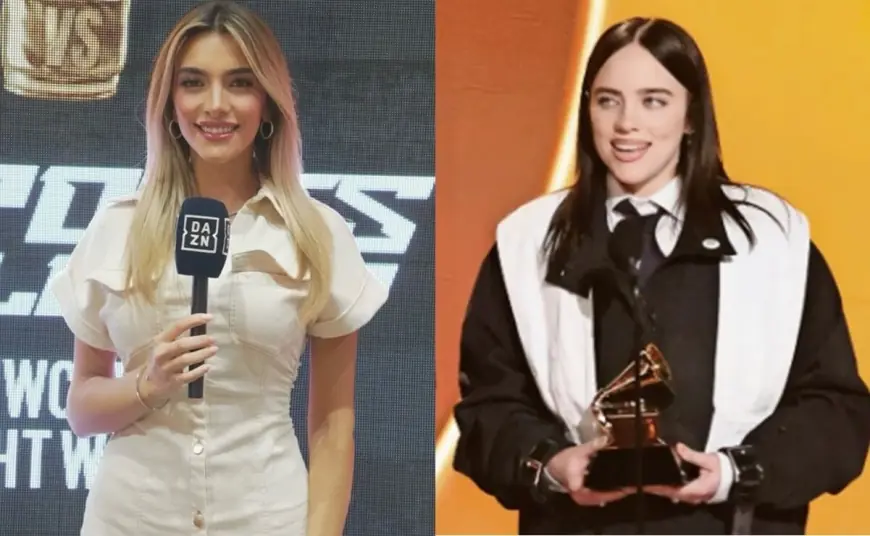
Billie Eilish’s Grammys 2026 moment didn’t end when the music stopped. It kept traveling, first through a clipped acceptance-speech debate, then through a reaction video from influencer Emily Austin, and finally through a new round of posts that turned a few seconds of commentary into a multi-day online brawl about immigration, celebrity speech, and who gets to define “real” American values.
The chain reaction has become a case study in how a televised award show now functions less as a single event and more as a content factory: the stage creates a headline, social platforms create a counter-headline, and the argument becomes the product.
What happened at the Grammys 2026
On Sunday, February 1, 2026 ET, Eilish won a major award for “Wildflower” and used her acceptance speech to condemn U.S. immigration enforcement actions, delivering a message of solidarity with immigrants and criticizing ICE. Portions of the moment were bleeped on the live broadcast. Within minutes, clips were circulating, and the speech became a lightning rod: supporters framed it as moral clarity, while critics framed it as an out-of-touch celebrity lecturing the country.
That’s the first ingredient in the viral formula: a short, emotionally charged statement made in a high-visibility setting with a built-in audience predisposed to interpret it through politics.
Emily Austin’s reaction video and why it spread
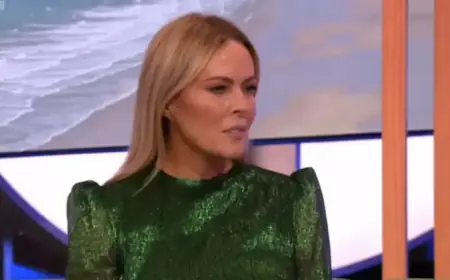
Emily Austin, a conservative influencer and podcaster, posted a video reacting to Eilish’s remarks from inside the arena. The tone was dismissive, framing Eilish’s message as performative and edgy rather than substantive. The clip spread quickly because it offered an easily shareable “response to the response,” letting viewers pick a side without watching the full speech.
This is where incentives kick in. Reaction content is designed to be frictionless: it compresses a complex topic into a mood and invites the audience to reward that mood with shares, quote-posts, and dueling comment threads. Whether people agreed with Austin or hated the video, the engagement mechanics pushed it upward.
Billie Eilish’s response and the escalation problem
Eilish did not treat the reaction as a small sideshow. Her online response, brief and cutting, added fuel to an already hot loop. When the artist replies, the story stops being “influencer reacts” and becomes “public figure vs. public figure,” which raises the stakes and expands reach beyond each person’s existing audience.
The second-order effect is predictable: once an argument becomes interpersonal, it’s less about immigration policy and more about identity and status. People aren’t debating the merits of enforcement or reform. They’re defending “their person” and punishing the other side.
What’s behind the headline: why this fight is bigger than two names
This is not a random feud. It’s a collision between two attention economies:
Eilish’s economy is cultural legitimacy. She speaks as an artist whose brand includes moral positioning, youth politics, and a fanbase that expects public values, not just music. Silence can be interpreted as complicity, so speaking out is part of maintaining authenticity with her core audience.
Austin’s economy is counter-programming. Influencers who build audiences around cultural critique succeed by showing up where they’re “not supposed to be,” capturing a moment, and reframing it as evidence of hypocrisy or elite detachment. A major awards show is a perfect backdrop because it’s already coded, for many viewers, as glamorous and insulated.
Stakeholders extend far beyond them. The broadcast benefits from controversy that keeps the show trending. Platforms benefit from the engagement cycle. Commentators benefit from new content lanes. And both sides’ audiences get an emotional payoff: righteous affirmation or righteous outrage.
What we still don’t know
Several key facts remain fuzzy in the public conversation:
How much of the speech was clipped out of context in viral reposts
Whether any private outreach occurred behind the scenes to de-escalate
How much of the outrage is organic versus amplified by high-volume political accounts
Whether the dispute fades or becomes a recurring pattern each time Eilish speaks on politics
The missing piece in most viral arguments is full context. The algorithm rewards the most combustible fragment, not the most accurate picture.
What happens next: realistic scenarios and triggers
Scenario 1: The story burns out fast
Trigger: no further direct replies, and the next news cycle replaces it.
Scenario 2: A longer feud forms
Trigger: repeated quote-posts, podcast segments, or follow-up videos framed as “round two.”
Scenario 3: Copycat reaction videos flood in
Trigger: other creators see the engagement and replicate the format, turning awards speeches into routine political content.
Scenario 4: The backlash changes how artists use the stage
Trigger: some performers get more cautious, while others lean in harder to prove they won’t be intimidated.
Why it matters
In 2026, the real battlefield isn’t just what gets said onstage. It’s what gets clipped, who gets to respond, and how quickly a moral statement becomes a personality fight. The Eilish–Austin flare-up shows how easily the public conversation slides from policy to performance, and how hard it is to return to substance once the incentive structure has locked in.
For Eilish, the risk is that every message becomes reduced to a partisan trigger. For Austin, the risk is that virality becomes dependency, requiring constant escalation to hold attention. For everyone watching, the bigger cost is that the loudest version of the debate wins, even when it’s the least informative.