

























ICE Deploys Cutting-Edge Technology Arsenal in Minneapolis

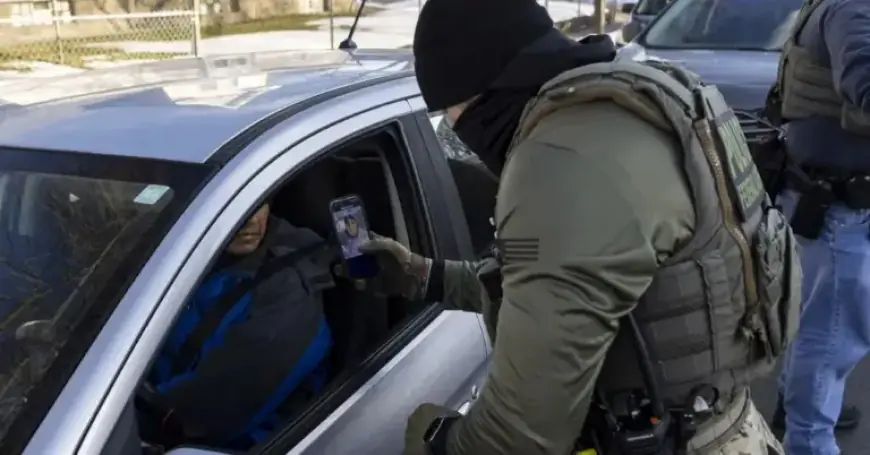
On January 10, 2023, in Richfield, Minnesota, Nicole Cleland encountered a surprising situation with an Immigration and Customs Enforcement (ICE) agent. Cleland, an activist with a local watchdog group, found herself trailed by the agent, who approached her vehicle and identified her by name. He noted that he was utilizing facial recognition technology and was recording her without consent. This incident illustrates the ongoing use of advanced technology by ICE in Minneapolis.
ICE Technology Deployment: A Closer Look
Recent reports reveal that ICE agents in Minnesota have been employing a range of cutting-edge tools to enhance their operations. This includes the use of facial recognition software to identify both undocumented immigrants and citizens who have openly protested against ICE activities.
Technological Tools in Use
- Facial Recognition Software: ICE utilizes programs like Clearview AI and Mobile Fortify.
- Social Media Monitoring: Agents are equipped with tools to track individuals’ online interactions and locations.
- Data Analytics: A system developed by Palantir integrates various data sources for real-time tracking of targeted individuals.
The extensive use of these technologies raises significant privacy concerns. Current and former officials at the Department of Homeland Security (DHS) have expressed that these methods are being deployed more aggressively now than in the past.
Federal Funding for Expanded Operations
ICE’s operational enhancements follow a substantial increase in funding. In July 2022, a new budget raised the agency’s annual finances to approximately $28 billion, solidifying its position as the most funded law enforcement body in federal governance. Additionally, a $30 million contract awarded to Palantir in April 2022 aimed to establish an AI-backed system for tracking individuals at risk of deportation.
Concerns from Lawmakers and Activists
Recent actions have prompted scrutiny from lawmakers. In November 2022, senators including Edward J. Markey, Chris Van Hollen, and Adam B. Schiff requested details on ICE’s use of facial recognition technology and advocated for a pause on its implementation in populated areas.
Protests against such technologies have gained traction. A local activist group captured visual evidence of ICE agents using facial recognition to monitor protests in Minneapolis, highlighting the invasive methods being utilized against ordinary citizens.
Community Response
Cleland’s experience with the ICE agent led her to question the extent of the agency’s reach. Shortly after her encounter, she received communication from DHS revoking her travel privileges, intensifying her concerns about government surveillance.
In response to these incidents, Cleland has taken legal action by joining a lawsuit against the Homeland Security Department, challenging their treatment of individuals observing ICE activities.
As technology continues to evolve, the implications for privacy and civil liberties remain pivotal in the ongoing conversation surrounding ICE and law enforcement practices across the nation.