

























Melania movie reviews: Melania Trump documentary opens to sparse ticket sales

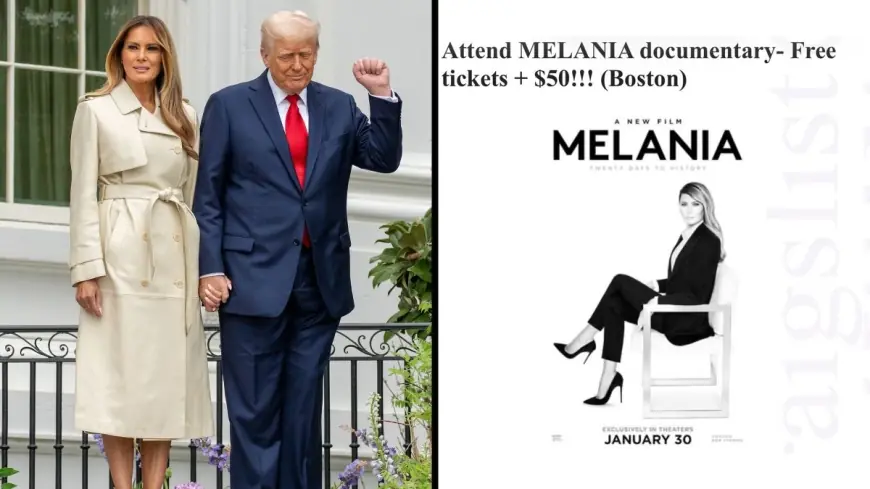
The first wave of melania movie reviews is landing as the Melania Trump documentary hits theaters Friday, Jan. 30, 2026—under an unusually bright spotlight for a nonfiction release. The reason is less what’s on screen than what’s around it: a reported nine-figure all-in spend, a premium Washington premiere, and early signs that many showtimes are playing to thin rooms.
The film, directed by Brett Ratner and co-produced by Melania Trump, follows her in the roughly 20 days leading up to President Donald Trump’s 2025 inauguration, positioning her as both subject and guiding hand behind the project.
A pricey rollout meets thin crowds
The documentary’s business story has become inseparable from the movie itself. Amazon MGM Studios paid about $40 million for licensing rights and has been linked to an additional marketing push estimated near $35 million—figures that the film’s team has contested in public comments while still defending the project’s scale and production ambitions.
The rollout has leaned on spectacle: a D.C. “black carpet” premiere at the Kennedy Center, high-visibility ad placements, and an international theatrical footprint. Yet early audience turnout has looked uneven, with some venues showing little pre-sale activity even as a handful of markets appear to be performing better than the national picture would suggest.
Key takeaways
-
The movie’s economics are the headline: cost and promotion are driving as much conversation as content.
-
Early attendance indicators point to a scattered turnout story—strong in pockets, weak in many large-city listings.
-
Online reactions have been noisy and polarized, complicating any read of genuine audience sentiment.
Melania movie reviews: early verdict
Critical reaction is still forming, but the initial tone has been sharp—less focused on revelation and more on access and intent. Early reviews on major aggregator pages have included harsh write-ups that characterize the film as more image-making than investigation, with some reviewers arguing the documentary feels carefully controlled rather than probing.
That perception is reinforced by how the project has been described in publicity: not as a conventional journalistic documentary, but as a curated, stylized “experience.” For audiences looking for fresh disclosures, many early reactions suggest the film may frustrate; for viewers interested in a tightly produced inside look at the East Wing’s aesthetics, routines, and staging, the appeal is clearer.
Ticket sales spotlight intensifies
On the numbers, the film is tracking like a niche title—except it’s being discussed like a tentpole. A widely shared analysis of roughly 1,400 Friday showtimes found only a tiny number of listings that appeared sold out, with many others showing plenty of seats available.
Theatrical forecasts circulating this week generally place the opening weekend in the low single-digit millions domestically—results that can be “fine” for traditional documentaries, but look modest against the project’s reported spending and the size of its promotional footprint. As of 8:57 a.m. ET Friday, the conversation around turnout has remained dominated by screenshots of empty seating charts and anecdotes from lightly attended screenings.
Marketing blowback goes global
The campaign has drawn backlash beyond the U.S. In one of the most notable international developments, the film was pulled from theaters in South Africa just before release, with the local distributor citing “recent developments” without publicly detailing specifics.
Separately, outdoor advertising has become a target: in Los Angeles, transit ads tied to the movie were vandalized repeatedly, prompting relocations of some ad placements. Meanwhile, online platforms have seen waves of hostile activity around the title, including posts and ratings from users who say they haven’t seen the film—adding another layer of noise to any attempt to interpret public response from social media sentiment alone.
What comes next for Amazon MGM
The near-term test is whether the film’s publicity can convert into actual viewing—either through late-weekend theater attendance or, more importantly, when it transitions to streaming on Prime Video in the weeks ahead. The theatrical run may function as a high-profile launchpad: a way to generate headlines, seed clips, and frame the narrative before home viewing.
If the film underperforms in cinemas, the question will shift from box office to brand strategy: whether the project delivers value through subscriptions, engagement, and sustained attention rather than ticket receipts. For now, the movie’s reception is being measured on two tracks at once—reviews of what it is, and scrutiny of why it was financed and marketed like this at all.
Sources consulted: Reuters; The Hollywood Reporter; WIRED; The Guardian; ABC News; Entertainment Weekly