

























Is the government shutting down again as Congress hits a midnight funding deadline?

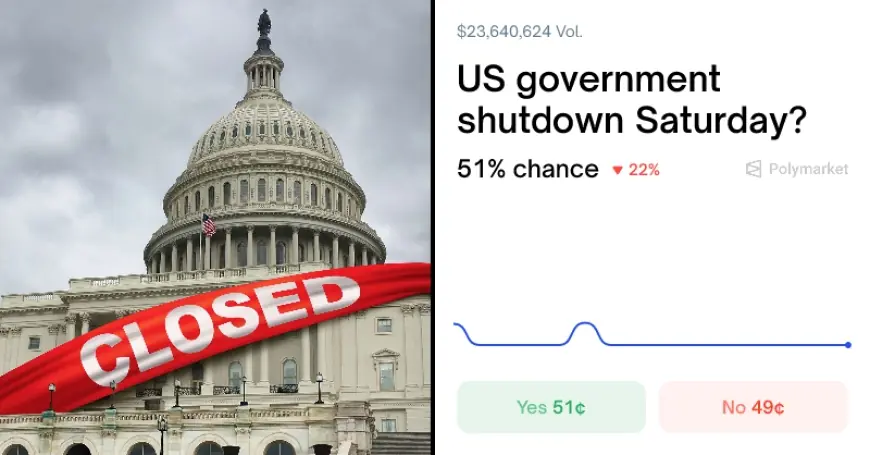
Washington is again staring at a partial federal shutdown, with current stopgap funding set to expire at 11:59 p.m. ET Friday, Jan. 30, 2026. A last-minute compromise has been floated to keep most agencies open while carving out a short extension for the Department of Homeland Security, but Senate obstacles and the House’s absence from Washington have kept the outcome uncertain heading into the final hours.
If funding lapses, the disruption would likely be narrower than the 43-day shutdown that began Oct. 1, 2025, because several appropriations bills have already been enacted. Still, any lapse would ripple quickly through federal workplaces, travel, and time-sensitive services as agencies shift to shutdown operations.
Is the government shutting down again: where things stand Friday
Lawmakers have been trying to finalize the remaining fiscal 2026 funding bills before the midnight deadline. The latest framework being discussed would keep most of the government funded while separating DHS from the broader package and extending DHS funding briefly at current levels to allow more negotiations on immigration-enforcement limits.
The problem is procedural and logistical as much as political. The Senate has faced resistance from some lawmakers, slowing action and compressing the timeline. Even if the Senate clears legislation late Friday, the House would still have to pass it—and House leaders have indicated that bringing members back to Washington before the deadline is difficult because the chamber has been out of session this week. That combination leaves a short weekend lapse increasingly plausible even if leaders agree on the broad contours of a deal.
Why the standoff centers on DHS
The immediate flashpoint is DHS funding and demands to tighten rules around immigration enforcement. Democratic senators have pushed for restrictions and oversight measures tied to recent public outrage over fatal encounters involving immigration agents in Minneapolis. Republicans have pressed to keep DHS inside a larger package that would fund a wide range of agencies through the end of the fiscal year.
The “split-the-bill” idea is designed to prevent the DHS dispute from pulling other departments into a shutdown. Under that approach, agencies such as Defense and Labor would be funded on a longer horizon while DHS gets a short extension, buying time for negotiations specifically focused on immigration policy and enforcement practices.
What a partial shutdown would actually change
A lapse in appropriations triggers agency shutdown plans. Many federal employees would be furloughed, while “excepted” workers in roles tied to safety, security, and essential operations continue working—even if pay is delayed until funding is restored. Federal back pay for employees has been standard in recent shutdowns, but contractors can face a different reality because payment rules vary by contract and agency guidance.
A partial shutdown would not hit every program evenly:
-
Likely to continue: Social Security, Medicare, and Medicaid benefit payments generally keep flowing because they are not funded through the annual appropriations process, though some administrative services can slow.
-
Potentially disrupted: IRS taxpayer services can be constrained at a moment when the tax filing season is approaching; processing and customer support may face delays depending on how long a lapse lasts.
-
Travel pressure points: TSA screening and air traffic control typically continue, but staffing strains can build if a shutdown drags on, raising the risk of longer lines and delays.
-
Already funded areas: Departments covered by bills already enacted for fiscal 2026 would remain funded; the immediate disruption would concentrate in the agencies still relying on the expiring stopgap.
The key deadlines and scenarios
| Milestone | Time (ET) | What it means |
|---|---|---|
| Senate returns to action | 11:00 a.m., Jan. 30 | Final votes and procedural hurdles determine whether anything clears in time |
| Funding expires | 11:59 p.m., Jan. 30 | Without new law, affected agencies begin shutdown steps |
| Shutdown could begin | 12:01 a.m., Jan. 31 | Furloughs and service slowdowns start for unfunded agencies |
| Earliest House floor action | Monday, Feb. 2 | A weekend lapse could end quickly if both chambers pass a fix |
Two paths are most plausible heading into the deadline: (1) Congress passes a measure before midnight, preventing any lapse, or (2) a brief shutdown over the weekend occurs while the House returns to vote early next week.
What to watch next
Three signals will determine the direction over the next 24–72 hours: whether Senate leaders can clear the remaining procedural barriers, whether House leadership calls members back for an emergency vote, and whether the DHS dispute is resolved through a short extension paired with a broader funding bill for other agencies.
For the public, the practical question is duration. A lapse that ends quickly may mostly be felt by federal workers and by limited service slowdowns. A longer shutdown would broaden the impact, especially for travel, administrative processing, and agency customer service functions that are hard to “catch up” after days of closure.
Sources consulted: Reuters; The Guardian; TIME; Axios; Congress.gov; The White House