

























Tulsi Gabbard’s Fulton County Visit Draws Scrutiny as FBI Seizes 2020 Georgia Election Records

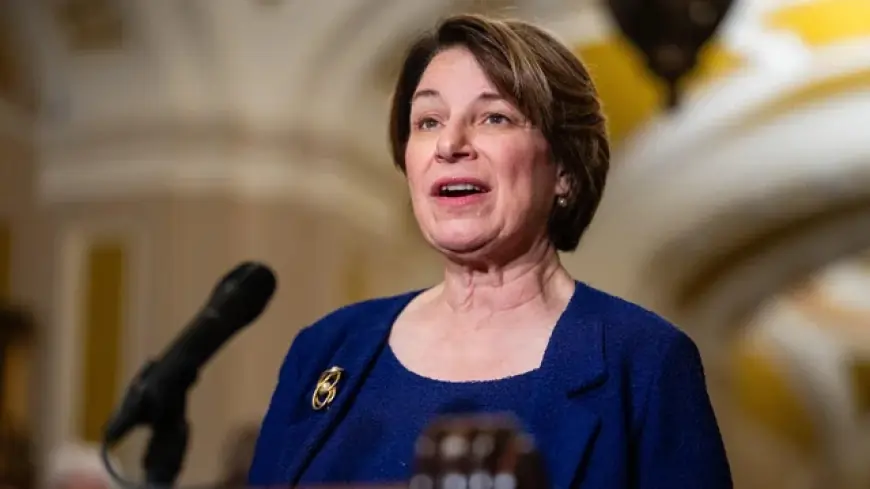
Tulsi Gabbard made an unusual appearance in Fulton County this week as federal agents executed a search warrant at the county’s main elections facility, escalating a long-running battle over access to Georgia election materials tied to the 2020 presidential contest. The raid, the seizure of hundreds of boxes of ballots, and the presence of the director of national intelligence have pushed a local records dispute into a national political storm.
The FBI action unfolded Wednesday, January 28, 2026 ET, at the Fulton County Election Hub and Operation Center in Union City, just south of Atlanta.
FBI search targets Fulton County election hub and 2020 records
Federal agents secured the area around the election operations site and removed boxes of materials from the building. The FBI described the operation as a court-authorized law enforcement action tied to records from the 2020 elections, while Fulton County officials acknowledged agents were seeking election-related documents from that period.
Local officials said the collection involved roughly 700 boxes of ballots taken from a secure location inside the facility. The FBI confirmed the boxes included ballots, and officials indicated the warrant also covered other categories of election documentation commonly associated with ballot processing and tabulation, such as scanner tapes and digital election images.
Further specifics were not immediately available about the exact investigative theory behind the search warrant, including which potential offenses investigators believe the seized materials could prove or disprove.
Why Tulsi Gabbard’s presence is fueling oversight questions
Gabbard’s appearance at the site has become a central point of contention because the director of national intelligence typically has no public-facing role in domestic election administration or routine law enforcement operations. The visit immediately triggered questions from lawmakers about whether there was a legitimate national security rationale for her involvement or whether the appearance was meant to signal political backing for a renewed look at claims about the 2020 outcome.
Sen. Mark Warner, the vice chair of the Senate intelligence committee, criticized the decision and argued that if there were a foreign-intelligence basis for the operation, Congress should have been briefed. He also warned that the intelligence community risks being pulled into partisan conflict when its leadership is seen at an event that is fundamentally domestic and political in nature.
A full public timeline has not been released explaining who requested Gabbard’s attendance, what briefings she received in advance, or what role, if any, she played during the operation.
The legal tug-of-war over Georgia election materials
The FBI search arrives amid ongoing legal pressure to obtain Fulton County’s 2020 election records through the courts. The Justice Department has been pursuing access to specific categories of materials held under county and court control, while county and court officials have pointed to state rules governing custody and sealing of sensitive election documents.
Mechanism-wise, election records typically follow strict retention and chain-of-custody rules, especially for ballots, signature envelopes, and digital images tied to vote tabulation. When records are sealed under state authority, access usually requires a court order that balances transparency with privacy protections for voters and election workers. Separately, a search warrant is a criminal investigative tool: it allows law enforcement to seize listed items if a judge finds sufficient legal grounds, and it moves the records into evidence-handling protocols that can limit public visibility during an active investigation.
This fight has played out alongside pressure from state-level officials seeking to revisit allegations about Fulton County’s 2020 handling. Fulton County has long been a focal point in the broader Georgia election debate because it includes most of Atlanta and delivered a large margin for President Joe Biden in 2020, even as statewide recounts and audits upheld the result. The latest federal action is landing as Georgia heads into the 2026 midterm year, when election administration and public trust are likely to be major campaign flashpoints.
Impact on voters, election workers, and the 2026 political calendar
The immediate fallout is being felt by at least two groups: Fulton County election staff who must continue day-to-day operations while a major tranche of archived materials is removed, and voters who may worry that routine election administration is being politicized or disrupted ahead of future voting cycles. County commissioners and state election officials are also pulled into the dispute, weighing transparency demands against legal constraints and the practical reality of safeguarding sensitive election records.
There are broader consequences, too. The seizure of ballots and related records raises concerns about chain-of-custody narratives in a highly polarized environment, while the visibility of federal involvement can intensify partisan messaging in Georgia and beyond. At the same time, supporters of deeper review argue that federal scrutiny is necessary to resolve lingering doubts, even after multiple prior reviews confirmed results.
The next verifiable milestone is procedural: a federal judge is expected to address pending motions and scheduling in the court fight over access to Fulton County’s sealed 2020 election records, while investigators determine whether additional warrants, filings, or formal statements will follow the Wednesday search.