























Arlington ISD reopens after multi-day ice closures as bond planning and campus safety take center stage

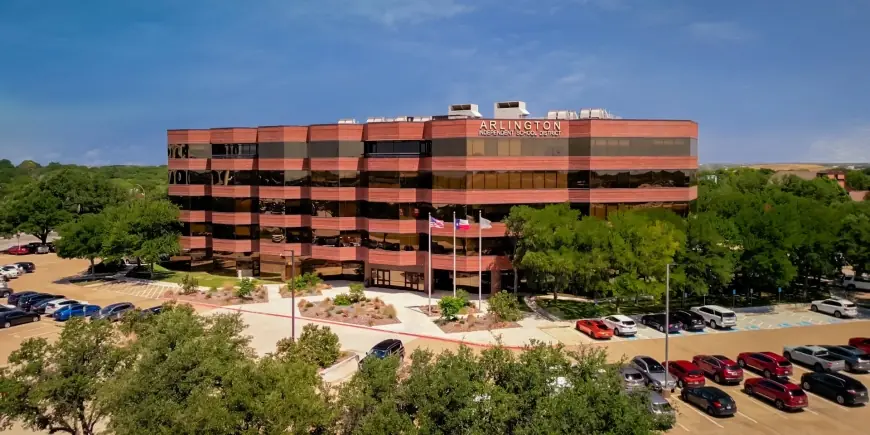
Arlington ISD is returning to normal operations Thursday, January 29, 2026 ET, reopening schools and offices at regularly scheduled times after a string of winter-weather shutdowns that canceled classes and all before- and after-school activities earlier in the week. District leaders are urging families and staff to stay cautious on the commute, noting that isolated slick spots may linger even as temperatures rebound.
The reopening caps a fast-moving week in which Arlington ISD repeatedly prioritized road and campus conditions, leaning on maintenance inspections and daily decision points that reflect a broader reality for large school systems: one icy morning can ripple into attendance, learning time, staffing, transportation, and even longer-term facility debates.
Arlington ISD weather closures: what happened
Arlington ISD closed Monday, January 26, 2026 ET due to winter weather, then extended closures into Tuesday, January 27, citing freezing temperatures and hazardous roadways. The district closed again Wednesday, January 28, pointing to continued icy conditions on roads and at campuses, and emphasizing that maintenance teams inspected campuses as part of the decision-making.
By late Wednesday, the district announced a Thursday reopening, crediting warmer temperatures and sunshine for improving roadway conditions. Leaders also signaled that decisions about potential make-up days for lost instruction would be communicated later, keeping families watching for calendar updates beyond the immediate thaw.
Why the reopening matters: safety, logistics, and lost classroom time
A reopening after multiple closures is not a simple “turn the lights back on” moment. For a district the size of Arlington ISD, a winter disruption becomes a coordination test:
-
Transportation and walking routes: buses, drop-off lanes, sidewalks, and parking lots need safe traction and clear lines of sight.
-
Campus readiness: entrances, stairs, ramps, and outdoor areas must be checked for refreeze risk.
-
Staff and student attendance: even when a district reopens, patchy neighborhood conditions can create uneven attendance and missed instructional continuity.
-
Family impact: closures shift childcare burdens and work schedules quickly, often hitting hourly workers hardest.
The tightrope is familiar: close too late and the district is blamed for safety risks; close too early and it faces pressure over lost instructional time and make-up day planning. The district’s messaging this week reflects that balancing act, pairing caution with a push to return to routine as soon as conditions allow.
Beyond the ice: Arlington ISD’s bond decision timeline is getting closer
While weather drove the immediate headlines, Arlington ISD is also nearing a separate, high-stakes decision point: long-range capital planning that could lead to a bond election.
A community steering committee recently completed a months-long process reviewing districtwide needs including facility conditions, safety and security priorities, enrollment trends, and financial considerations. The work culminated in recommendations spanning 55 proposed projects across areas such as academics, career and technical education, athletics, fine arts, technology, facility projects, safety and security, and transportation. The committee is presenting options for board review, and trustees are expected to decide in February whether to call a bond election.
Behind the headline, winter disruptions can subtly affect this conversation. When campuses and roads are stressed, families notice the condition of facilities, heating reliability, and transportation resilience. That can sharpen public interest in what a bond would fund, how priorities are ranked, and what tradeoffs come with major capital commitments.
Community spotlight: a major Arlington ISD safety event lands the same day as reopening
Thursday also brings a community-facing event that signals a broader push on student and family safety. Arlington ISD is hosting “Shatter the Silence,” a human trafficking awareness program scheduled for January 29, 2026 from 7:00 to 9:00 p.m. ET at the district’s professional development center on West Arbrook Boulevard. The event includes educational programming on recognizing signs and taking action, with childcare offered for potty-trained children up to fifth grade.
The timing is telling: reopening day is when attention is highest, and districts often use that moment to reinforce safety messaging and community partnership goals that extend beyond academics.
What we still don’t know
Several items will shape how this week is remembered:
-
Whether Arlington ISD will add make-up days, and where they would fall on the calendar
-
How attendance looks on reopening day, especially if refreeze pockets persist in parts of the city
-
Whether trustees will move quickly toward a bond election timeline in February, or slow-roll for additional community input
-
Which project categories emerge as top priorities if a bond proposal advances
What happens next: realistic scenarios to watch
-
Smooth return to routine
Trigger: strong attendance Thursday and no new travel hazards on key routes. -
Make-up days announced soon
Trigger: leadership signals a firm plan to recover instructional time after three closures. -
Bond election momentum builds
Trigger: trustees align around a project package and set a clear election pathway in February. -
Community safety programming expands
Trigger: strong turnout and follow-on initiatives tied to reporting, prevention training, and partnerships. -
Another weather disruption forces adjustments
Trigger: overnight refreeze or a new cold snap that impacts roads and campus access.
For Arlington ISD, the week underscores how a short burst of winter weather can collide with longer-term questions about infrastructure, safety, and public trust—and how quickly a school district must shift from emergency mode back to classroom momentum.