























Government Shutdown 2026 Update: Senate Democrats Threaten to Block DHS Funding Bill as Deadline Hits Late Friday Night ET

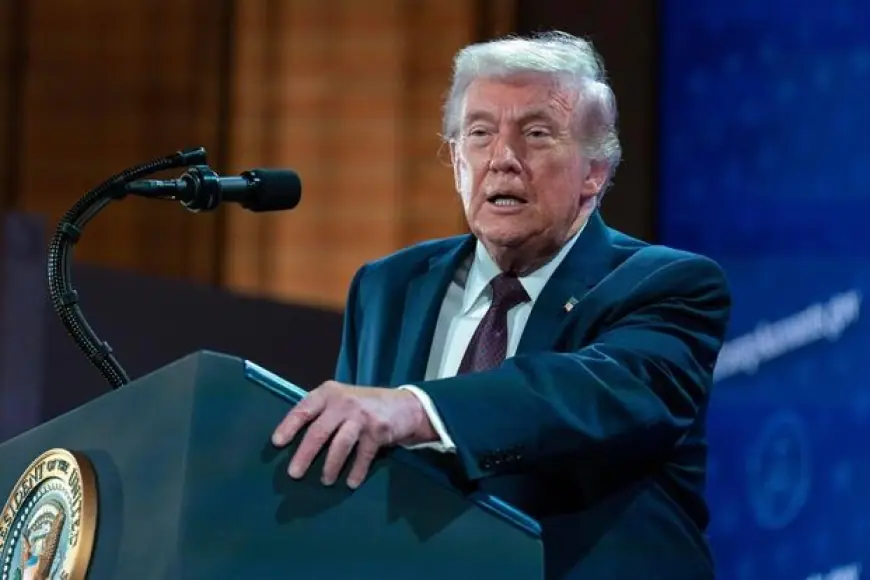
Washington is barreling toward a partial US government shutdown after Senate Democrats, led by Chuck Schumer, vowed to withhold the votes needed to move a must-pass funding package unless the Department of Homeland Security funding bill is stripped out or rewritten. The standoff centers on immigration enforcement rules, not the overall spending topline, and it is colliding with a fast-approaching deadline: current funding authority expires late Friday night, January 30, 2026 ET, with shutdown impacts beginning early Saturday, January 31 ET if Congress does not act.
The immediate tension is procedural. Republicans hold 53 Senate seats, which means they need a handful of Democratic votes to reach the 60-vote threshold to advance the package. Democrats are signaling those votes are not there unless DHS is handled separately.
Senate Democrats, Schumer, and the DHS Funding Bill: What’s Driving the Shutdown Threat
The flashpoint is a recent fatal shooting in Minneapolis involving federal immigration agents, which has triggered protests and intensified scrutiny of Immigration and Customs Enforcement and Border Patrol tactics. Schumer and Senate Democrats have coalesced around demands aimed at tightening how immigration agents operate, including:
-
Ending or sharply limiting so-called roving patrols through tighter warrant rules and mandatory coordination with state and local law enforcement
-
Requiring visible identification and restricting the use of masks during operations
-
Expanding body camera requirements
-
Creating a uniform code of conduct and stronger accountability mechanisms, including independent investigations and clearer use-of-force constraints
Republicans and the White House have pushed back on writing those guardrails directly into appropriations language, arguing policy changes should be handled through executive action instead of last-minute legislation.
Angus King’s “No” and the Senate Math Problem
Independent Senator Angus King has publicly said he will not vote for a package that includes ICE funding under the current circumstances, even as he emphasizes he dislikes shutdowns and believes Congress can avoid one. In a Senate where every vote matters for cloture, King’s stance underscores how narrow the runway is for leadership to find a path forward that clears both the Senate and the House.
King’s position also highlights a deeper reality: this is not a clean party-line shutdown fight where leaders can assume their caucuses will move in lockstep. The coalition math is fragile, and the DHS fight is now a proxy battle over immigration enforcement legitimacy.
The “Seven” Factor: Tom Suozzi and the House Vote That’s Fueling the Senate Standoff
On the House side, the DHS funding bill passed narrowly last week, aided by seven Democrats who crossed party lines to support it. One of them, Representative Tom Suozzi, has since said he regrets the vote, describing it as a failure to treat the funding decision as a referendum on what he called unacceptable conduct by immigration enforcement in Minneapolis.
That reversal matters politically because it shows how quickly the ground shifted after the Minneapolis incident. It also gives Senate Democrats cover to argue the House vote does not represent stable bipartisan consensus, even if the bill already cleared that chamber.
DHS in a Shutdown: The Counterintuitive Catch
Here is the twist that complicates everything: a partial shutdown could have less impact on immigration enforcement than many people assume, while hitting other DHS components harder.
Because prior law provided large multi-year funding infusions for immigration enforcement agencies, ICE and Customs and Border Protection could continue operating even if new annual DHS funding is not enacted. Meanwhile, other DHS missions could face disruptions or work without pay, including elements tied to disaster response, transportation security, cybersecurity, and the Coast Guard.
That creates a political and operational paradox: Democrats are demanding constraints on immigration enforcement, but a lapse in annual appropriations can reduce congressional leverage to impose those constraints at the very moment they want them most.
Behind the Headline: Incentives, Stakeholders, Missing Pieces, and Second-Order Effects
Context: Congress is trying to finish the remaining fiscal year 2026 funding measures, but the DHS bill has become the lone choke point in a broader package that otherwise has a viable bipartisan path.
Incentives: Democrats are responding to intense base pressure and public outrage, and they see the funding deadline as their strongest leverage point. Republicans want to avoid reopening a negotiated package and fear that splitting DHS off invites more last-minute demands across other agencies. The White House wants to keep immigration enforcement operating at full speed while avoiding a shutdown that could damage broader governance priorities.
Stakeholders: Federal workers and contractors face immediate uncertainty. State and local governments worry about disaster response and security functions. Travelers and businesses watch transportation security and operational backlogs. Immigration advocates and enforcement supporters both see the outcome as a precedent for what “accountability” will mean going forward.
Missing pieces: The biggest unknown is whether leadership will accept a two-track strategy, passing the five non-DHS bills immediately and creating a short-term patch or separate negotiation track for DHS. It is also unclear what level of written commitments Democrats would accept if the administration offers policy changes outside legislation.
What happens next, realistic scenarios with triggers:
-
A last-minute split that passes the non-DHS bills before midnight Friday ET, triggering a narrower DHS-only disruption fight
-
A short-term continuing measure that buys days or weeks for DHS negotiations
-
A failed procedural vote Thursday followed by a shutdown beginning early Saturday ET and a weekend scramble
-
A compromise package that adds limited but explicit enforcement guardrails and clears both chambers quickly
The bottom line for Government Shutdown 2026 is that the fight is no longer only about spending. It is about whether Congress can use a funding deadline to impose enforceable constraints on federal immigration enforcement, and whether the politics of Minneapolis have shifted the vote counts enough to force leadership to change course before the clock runs out.