

























Tom Homan Takes Over Minnesota Immigration Crackdown as Greg Bovino Is Removed From Minneapolis Role and Sent Back to El Centro

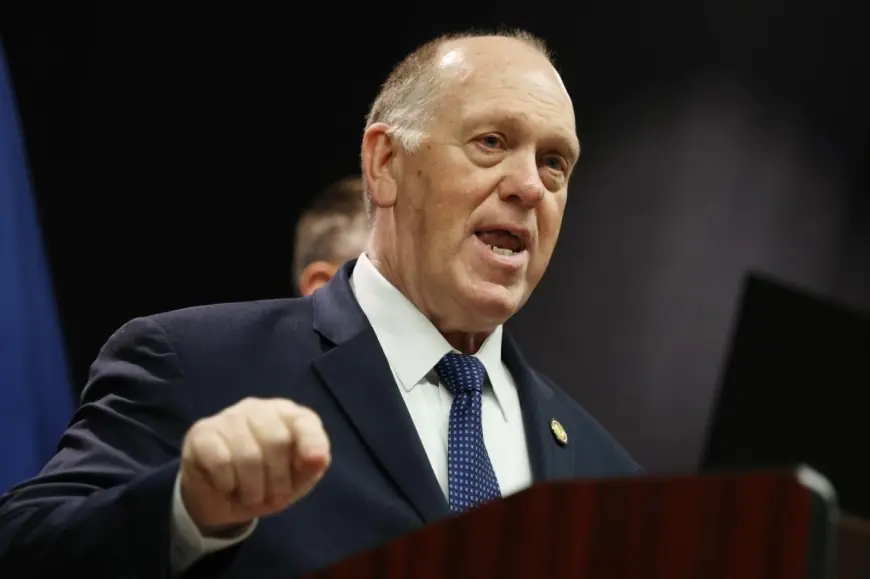
A rapid shake-up inside the Trump administration’s immigration operation in Minnesota is fueling a single, overloaded question online: did Greg Bovino get fired?
The clearest answer as of Thursday, January 29, 2026 ET is this: Bovino has been removed from the Minneapolis command role tied to the Minnesota surge and stripped of his high-profile “commander-at-large” assignment, but the administration is characterizing the change as a reassignment rather than a termination. In his place, White House border czar Tom Homan has taken direct control of the effort and is publicly signaling a tactical pivot: fewer sweeping street encounters, more targeted arrests, and a possible drawdown of federal personnel if local cooperation increases.
That shift comes after weeks of mounting backlash around aggressive enforcement tactics, escalating protests, and fatal shootings that have become the political center of gravity for the entire operation.
Who Is Tom Homan and Why He’s Being Called the Border Czar
Tom Homan is a longtime immigration enforcement official who previously led Immigration and Customs Enforcement at the top level during Trump’s first term. In the current administration, he has been positioned as the White House’s point person for immigration enforcement strategy and messaging, which is why “border czar” has become the shorthand label.
In Minnesota, Homan’s job is less about announcing a new mission and more about reframing the existing one. His public posture is that the crackdown continues, but it will be executed “smarter” and with fewer confrontations that spiral into viral footage, legal exposure, and political blowback.
What Happened in Minnesota and Why DHS Shifted Gears
The Minnesota crackdown, widely referred to by officials as Operation Metro Surge, began in December 2025 and expanded in early January 2026 into what the administration described as an unusually large deployment of federal immigration personnel.
Two developments pushed the operation into crisis mode:
-
Fatal shooting of Renée Good on January 7, 2026 ET during an enforcement action, which triggered large demonstrations and intensified scrutiny of federal tactics.
-
Fatal shooting of Alex Pretti on Saturday, January 24, 2026 ET, amid protests and filming of agents, which further hardened public anger and amplified calls for federal forces to scale back.
In parallel, judicial scrutiny has tightened. A federal judge in Minnesota has sharply criticized ICE conduct in court proceedings tied to detentions and compliance with release orders. That legal pressure matters because it turns operational choices into courtroom risks, not just political debates.
Was Greg Bovino Fired, Demoted, or Removed
Here’s the reality behind the wording games:
-
Removed from Minneapolis leadership: Bovino is no longer the visible commander of the Minnesota surge.
-
Loss of the special title: Multiple accounts describe him being stripped of a “commander-at-large” label that elevated him above normal chain-of-command optics.
-
Returning to El Centro, California: The most consistent reporting is that he is being sent back to his prior Border Patrol command in the El Centro sector along the US Mexico border.
Administration messaging has pushed back on the idea he “lost his job” outright. In practical terms, though, losing the marquee assignment is still a professional setback. That is why people are using words like “fired,” even if the formal personnel status is closer to reassignment plus loss of special authority.
ICE Leaving Minnesota and What the New DHS Playbook Looks Like
Homan is leaning on a simple premise: more arrests in controlled environments, fewer arrests in chaotic ones.
The operational changes being described inside the federal apparatus include:
-
Targeted enforcement tied to a criminal nexus: Focus on people with criminal charges or convictions rather than broad street sweeps.
-
Reduced engagement with demonstrators: Federal officers are being instructed to avoid unnecessary interaction with protestors to reduce flashpoints.
-
More reliance on jail coordination: The administration is pushing local jails to notify ICE so arrests happen at release points, reducing street-level confrontation.
-
Border Patrol shifted into support mode: ICE is expected to be the lead agency with Border Patrol playing a more secondary role than under Bovino’s approach.
Homan has also floated the idea that the roughly 3,000 federal personnel deployed to Minnesota could be reduced if cooperation improves. That has fueled “ICE leaving Minnesota” searches, but it is better understood as a conditional drawdown, not an immediate exit.
The Desi Lydic Effect: When the Shake-Up Becomes Pop Culture
The Bovino saga has now crossed into late-night satire, with comedian Desi Lydic among those riffing on the whiplash between tough talk, messy footage, and sudden leadership changes. That matters because satire tends to lock in a public narrative: once the joke is “he got fired,” corrections rarely travel as far as the punchline.
What We Still Don’t Know
Several key pieces remain unresolved or still developing:
-
The full findings of investigations into the January shootings and whether federal accounts align with available video evidence.
-
Whether the Minnesota shift is a one-off crisis response or the template for other cities.
-
The real scope of any drawdown, including how quickly it would happen and which units would leave.
As for the personal searches, Greg Bovino’s height and family details are not consistently verified in reliable public records, and much of what circulates online reads like rumor or partisan sniping rather than confirmed biography.
Behind the Headline: Incentives, Stakeholders, and Next Steps
Context: The administration is trying to enforce aggressively while reducing the political and legal cost of visible confrontation. Minnesota became the pressure point where those goals collided.
Incentives: Homan’s incentive is to preserve the mission while changing the optics and risk profile. Removing Bovino helps the White House argue it is adapting. Local leaders have incentives to reduce street tension without appearing to surrender local autonomy.
Stakeholders: Federal agents on the ground, immigrant communities, local law enforcement, courts, governors and mayors, and national political actors all have leverage. So do activists, because their ability to document and mobilize changes the operational environment.
Second-order effects: A pivot to jail-based pickups may reduce viral street scenes but could increase pressure on local jail policies and ignite new fights over cooperation. Meanwhile, limiting agent engagement with protestors may reduce violence but also increases the chance of miscommunication and confusion during arrests.
What happens next depends on triggers:
-
A clear drawdown if local jail coordination expands and street operations shrink
-
Renewed escalation if another high-profile confrontation occurs
-
Broader policy tightening if courts continue to scrutinize detentions and compliance
-
A personnel ripple effect if the Minnesota blowback is read internally as a warning about “showy” enforcement leadership
For now, the story is not that ICE is packing up overnight. The story is that Tom Homan has been sent in to retool a crackdown under fire, while Greg Bovino has been pushed out of the spotlight and back to the border.