Nicki Minaj steps into Washington spotlight with pledge tied to new child investment accounts

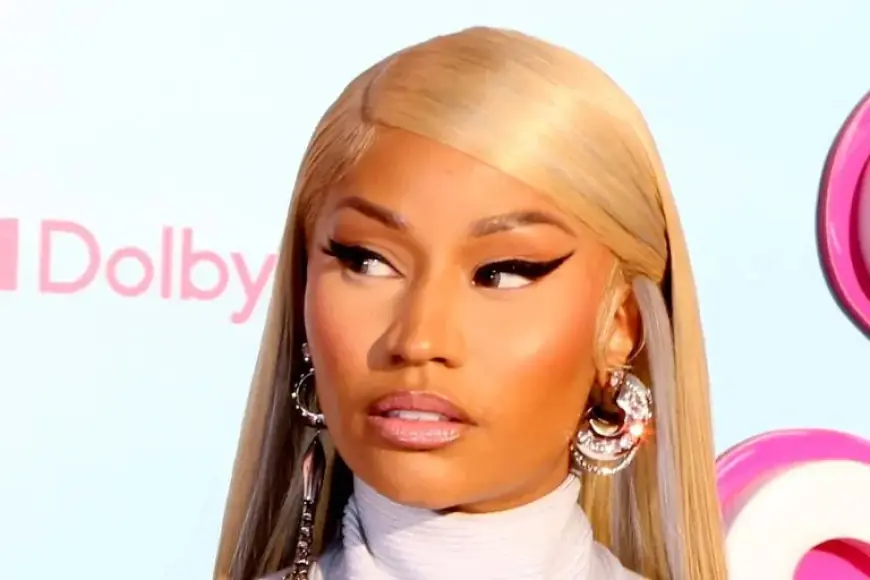
Nicki Minaj drew fresh attention Wednesday, Jan 28, 2026 (ET) after appearing at a White House-linked policy event in Washington, DC, where she endorsed a new federal child investment account initiative and announced she plans to contribute money to help fund accounts for some of her fans’ children. The appearance marks one of her most visible political engagements to date and quickly sparked debate about celebrity influence in policy messaging and the optics of partisan alignment.
Further specifics were not immediately available.
Key terms have not been disclosed publicly.
A high-profile pledge and a message aimed at parents
At the event, Minaj described herself as the president’s “number one fan” and said criticism of her political stance has only strengthened her resolve. She also said she intends to pledge between $150,000 and $300,000 connected to the new accounts program, framing the donation as support for financial literacy and long-term savings for children.
The announcement landed at a moment when the program’s rollout is still being explained to families, employers, and financial firms that may serve as trustees or administrators. While Minaj’s pledge drew headlines, the bigger shift is what it signals: the initiative is being marketed not only through government channels, but also through celebrity amplification that can reach audiences who might otherwise ignore policy announcements.
Minaj’s team did not immediately provide a detailed breakdown of how the pledged funds would be distributed across recipients, or whether eligibility would be limited to a specific subset of fans.
How the new child accounts are supposed to work
The accounts are designed as long-term, tax-advantaged savings vehicles created for children born in a defined window. Under the program’s framework, eligible US-born children receive a $1,000 government seed deposit if an account is opened on their behalf. Parents or legal guardians serve as custodians until the child turns 18, at which point the beneficiary gains access under program rules.
In practical terms, the setup works like many restricted youth savings plans: an adult opens the account, contributions can be made over time, and the money is meant to compound across years rather than be used immediately. The government’s seed money is intended to create a baseline asset for every eligible child, while additional deposits from parents, relatives, or employers can potentially increase the balance over time.
The program’s launch also includes procedural steps. Parents and guardians are expected to make an election using a designated tax form, and contributions are not scheduled to begin until July 4, 2026. That timeline matters because families may hear about the accounts now, but the funding and administration mechanics will phase in over the coming months.
Why the moment is resonating beyond music
Minaj’s involvement has turned a technical policy rollout into a broader cultural flashpoint. Supporters see the move as a high-visibility push to get money working for families early, especially for parents who feel locked out of wealth-building tools. Critics argue that celebrity endorsements can blur the line between personal branding and public policy, and that a high-profile appearance risks turning a financial program into a partisan loyalty test.
The attention also arrives as Minaj navigates a public life that spans business, family, and ongoing scrutiny. Separate from the policy news, a recent civil judgment tied to a dispute involving a former employee of her household was reported as resolved this month, removing a legal pressure point that had been hanging over her finances and property headlines. The underlying settlement terms and payment structure were not fully detailed publicly, and those specifics remain unclear.
For Minaj’s fan base, the announcement functions both as a political statement and as a promise of tangible support for families with young children. For political strategists, it is a case study in how modern policy messaging increasingly relies on personalities who can pull attention into a news cycle crowded with competing priorities.
Who is affected and what happens next
Two groups are most directly affected in the near term: parents of newborns and young children who may be eligible for the accounts, and employers or payroll partners who could eventually be asked to facilitate contributions as part of workplace benefits. Financial institutions and administrators are another key stakeholder group, because they may need to build operational systems, compliance procedures, and customer support capacity to handle enrollment and ongoing contributions.
There is also a wider taxpayer and public-interest dimension. A program offering government seed deposits at birth inevitably raises questions about cost, eligibility checks, fraud prevention, and whether the benefits accrue evenly across income levels. Those debates tend to intensify as enrollment opens and participation patterns become measurable.
The next verifiable milestone is the release of additional implementation guidance and the opening of formal enrollment steps for parents and guardians, followed by the program’s scheduled contribution start date on July 4, 2026 (ET). For Minaj, the next concrete checkpoint will be any documented follow-through on the pledge, such as a disclosed distribution method or a formal partnership announcement tied to account funding and administration.