
























Wonder Man TV Show Lands With Surprise Binge Drop and a Hollywood-Within-Hollywood Twist

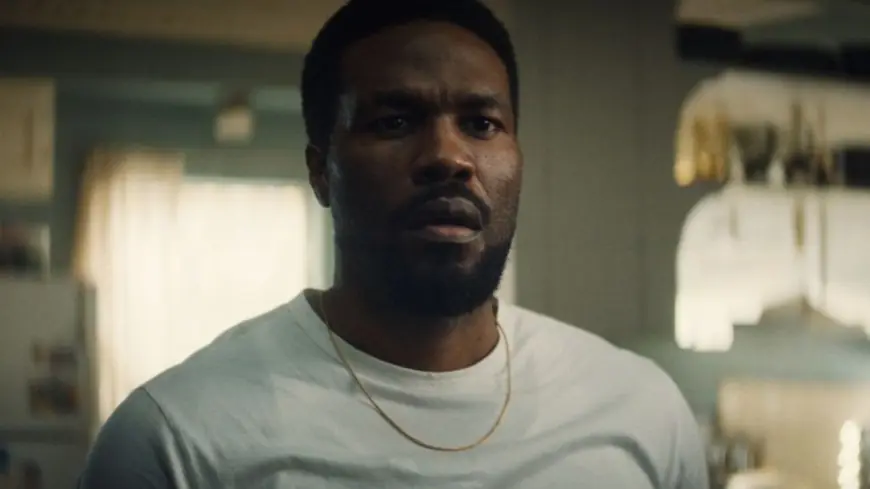
The wonder man TV show has officially arrived, debuting Tuesday, Jan. 27, 2026 at 9 p.m. ET with all eight episodes released at once. The new Marvel Television series stars Yahya Abdul-Mateen II as Simon Williams, a struggling actor whose biggest problem isn’t rejection or bad auditions, but the superpowers he’s trying to keep hidden while chasing his break in Hollywood. With a metatextual premise and a smaller, character-forward feel, wonderman is being positioned as a fresh lane inside the superhero universe rather than another world-ending event story.
Release date, format, and what viewers get on day one
Instead of a weekly rollout, Wonder Man opted for a full-season binge release, dropping eight episodes simultaneously on its streaming home. The episodes are designed for a fast watch, landing in a half-hour rhythm that keeps the focus on character comedy, awkward workplace tension, and the pressure cooker of trying to “make it” in entertainment.
That launch strategy changes how the show will be talked about. A weekly release tends to produce cliffhanger-driven conversation, while a binge drop invites immediate spoiler risk, rapid fan verdicts, and faster consensus building. Further specifics were not immediately available about whether future Marvel Television series will follow the same release pattern.
Cast and story setup: Simon Williams meets Trevor Slattery
At the center is Abdul-Mateen’s Simon Williams, introduced as ambitious, talented, and chronically stuck in his own head. His path collides with Trevor Slattery, played by Ben Kingsley, returning to the broader Marvel continuity as an actor whose past notoriety still follows him. The dynamic becomes an odd-couple partnership: one man desperate to prove himself, the other trying to keep his career alive while pretending he’s not haunted by the roles that defined him.
The story’s engine is a movie remake inside the show. Zlatko Burić plays director Von Kovak, who is rebooting an in-universe superhero film titled Wonder Man. Simon sees it as the role of a lifetime, but the catch is brutal: he’s pursuing a superhero lead while living with real abilities he cannot reveal without consequences.
The supporting lineup adds a grounded counterweight to the show’s Hollywood satire. Arian Moayed reprises his role as Agent P. Cleary, tied to the government-facing side of superhero oversight, while additional confirmed cast includes X Mayo, Olivia Thirlby, and Byron Bowers. Key terms have not been disclosed publicly about how the show’s ending is meant to connect to other future Marvel storylines.
Why this series is different, and why that’s a gamble
Wonder Man leans into entertainment-industry specificity: auditions, self-tapes, on-set etiquette, career jealousy, and the odd intimacy of people trying to become famous together. The show’s creative leadership has framed it as a deliberate tonal shift—more intimate and more observational—using superhero elements as pressure, not as the point.
That approach can be a benefit and a risk. For viewers who feel overwhelmed by the sheer amount of continuity and cross-referencing, a smaller story that still sits inside the shared universe can feel like relief. For fans who want a tighter comic-to-screen translation, the series may read as a left turn that prioritizes mood and character over mythology.
Some specifics have not been publicly clarified about how closely the show plans to align Simon’s powers and origin details with the comics over time, beyond the fact that his abilities are central to the tension.
How the binge-release model works and what it signals
Binge drops are typically used when a platform wants immediate, high-volume viewing and fast cultural penetration. The mechanism is straightforward: releasing every episode at once compresses the viewing window, boosts early completion rates, and turns a show into an instant “you can finish it this week” proposition. That can be especially effective for a new title that needs to establish itself quickly in a crowded market.
It also shifts the creative burden. When audiences can watch eight episodes in a single weekend, pacing issues are judged more harshly and twists are consumed faster. At the same time, binge availability can help a character-driven series because viewers spend more uninterrupted time with the lead, allowing emotional arcs to land without weeklong gaps.
What it means for fans and the people making the show
Two groups feel the impact most directly: fans and working creatives. Fans get a complete season to evaluate immediately, which can amplify online discussion and create a quicker wave of reaction, memes, and debate. For cast and crew, a full-season drop is both reward and stress: the work is instantly visible, but the public verdict can be swift and unforgiving.
There’s also a business ripple. A successful launch strengthens the case for more character-first projects that don’t rely on giant spectacle, while a muted response could reinforce a return to safer, more familiar franchise patterns.
The next verifiable milestone will be any formal renewal decision or continuation announcement—either a second-season order or a confirmed next appearance for Simon Williams in another Marvel project—events that typically arrive after early performance data is evaluated and the studio locks in its next slate.