Banks Caution: Trump’s 10% Credit Card Rate Cap May Harm Consumers

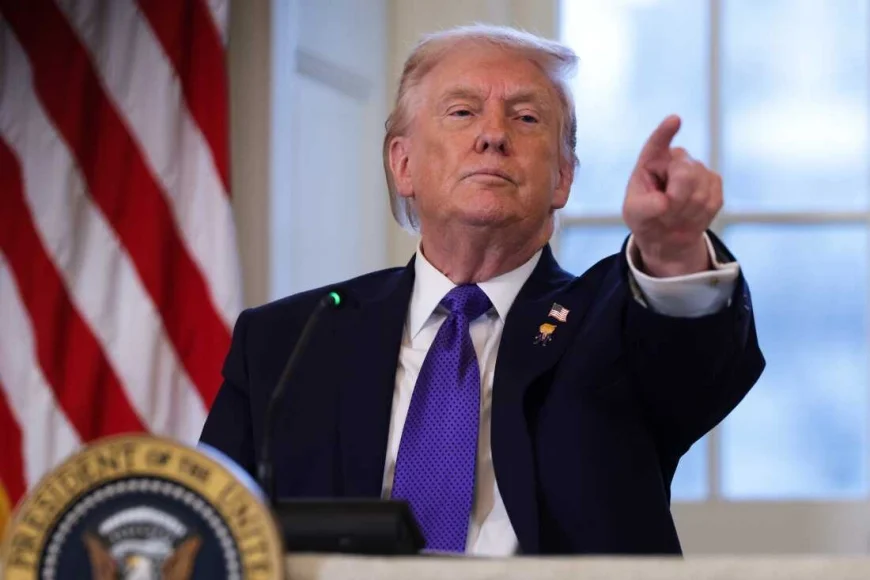
President Donald Trump has proposed a cap on credit card interest rates, sparking significant debate in the banking sector. He suggested a 10% limit starting January 20, with the aim of alleviating financial burdens for American consumers. However, the proposal has been met with criticism from financial institutions.
Concerns from Financial Institutions
U.S. banks and financial organizations voiced strong opposition to Trump’s plan. They argue that implementing a 10% interest rate cap would substantially restrict access to credit for millions of households and small businesses. The Electronic Payments Coalition, which includes major payment networks and financial entities, emphasized that the cap would affect around 82% to 88% of credit card accounts linked to individuals with credit scores below 740, resulting in potential closures or severe limitations.
Negative Impact on Consumers
- Subprime borrowers would bear the brunt of these changes.
- Higher annual fees and reduced rewards for many consumers.
- Potential slowdown in consumer spending, weakening economic performance.
“A one-size-fits-all government price cap may sound appealing, but it risks harming families and the economy,” stated Richard Hunt, Executive Chairman of the EPC.
Potential Economic Consequences
Experts warn that a cap could lead to a drastic reduction in lending due to diminished profitability for credit card issuers. Michael Miller, a Morningstar analyst, noted that the statement from Trump lacked concrete policy details and legislative proposals. He expressed skepticism about the feasibility of a 10% cap, suggesting it would have dire repercussions for credit card profitability.
Current Trends in Credit Card Rates
The Consumer Financial Protection Bureau reported that average annual percentage rates (APRs) in 2024 reached their highest levels since 2015. General purpose cards averaged a rate of 25.2%, while private label cards stood at 31.3%. Furthermore, the share of cardholders making only minimum payments has also seen an increase, highlighting ongoing financial strain for many consumers.
Research Insights
While many financial entities oppose the cap, some research suggests that it could provide substantial consumer savings. A study from the Vanderbilt Policy Accelerator indicated that a 10% interest cap could save Americans approximately $100 billion annually. However, it also cautioned that borrowers with credit scores below 760 might experience reduced credit card rewards.
Brian Shearer from the Vanderbilt Policy Accelerator commented on the potential for increased savings, stating, “The profit margins are absolutely massive, indicating there is room for reduction without harming consumers significantly.”
In summary, Trump’s proposed cap on credit card interest rates has ignited a contentious debate among lenders and financial experts. The implications for borrowers and the economy remain uncertain as discussions evolve, with the banking sector advocating for more balanced solutions.