

























Impact of Potential War on Iran for Israel Explored

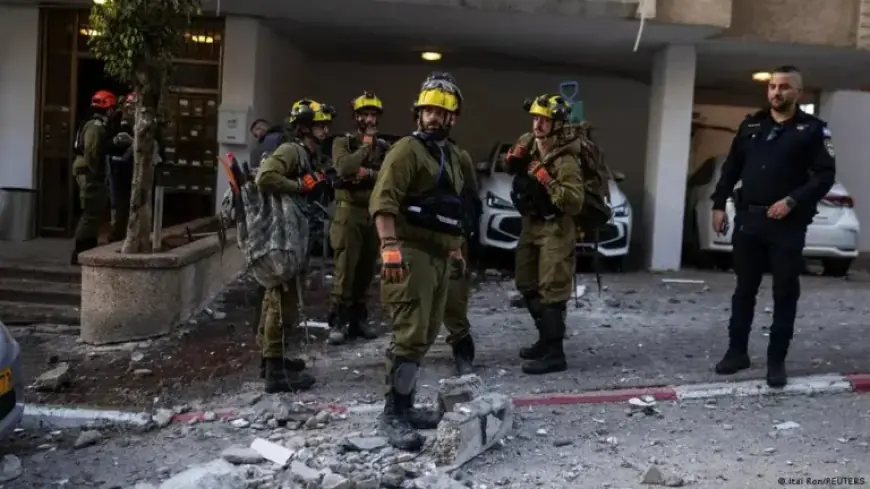
The morning of February 28 marked a pivotal moment for Israel as it grappled with the potential consequences of a military strike on Iran. At approximately 8 a.m. local time, warning messages were dispatched to mobile phones throughout the country. Citizens were ordered to seek immediate shelter while Defense Minister Israel Katz announced a nationwide state of emergency.
Background and Initiation of Conflict
Katz stated that the strike was a “preemptive” measure aimed at eliminating threats posed by Iran. This military action followed the events of the 12-day Israel-Iran war in June 2025, when Israel, with U.S. assistance, attacked Iran, targeting its nuclear program. Retired Major General Noam Tibon, famous for rescuing his family during a terrorist attack in October 2023, commented on the situation, asserting that negotiations with Iran had been futile.
Casualties and Military Response
During the 2025 conflict, Iranian counterstrikes resulted in significant damage within Israel, leading to the death of at least 28 individuals. Many experts believe this incident contributed to the current military decisions made by Israeli leadership. Tibon remarked, “When we saw these casualties, we understood that we had to do more to counter the threat.”
Political Dynamics Following the Strike
- Opposition leader Yair Lapid expressed gratitude to the United States for its support.
- Former Defense Minister Benny Gantz noted, “We all stand together — and we will win!”
- Minister Itamar Ben-Gvir issued threats against Israeli citizens supporting Iran.
Conversely, left-wing Arab-Israeli parliamentarian Ayman Odeh questioned the effectiveness of the military action, warning citizens to take their safety into their own hands as he doubted enhanced security would result from the ongoing conflict.
Military Mobilization and Regional Concerns
In response to the situation, the Israeli army mobilized reserve units to fortify its northern borders against potential incursions from Hezbollah, an Iranian ally. The atmosphere remains fraught with uncertainty, raising concerns over the risk of a multi-front war involving various regional actors.
Long-Term Implications and Objectives
Many Israelis suspect that the military conflict aims to achieve broader goals beyond just neutralizing Iran’s missile capabilities. In a televised address, Prime Minister Benjamin Netanyahu urged the Iranian populace to liberate themselves from oppression. Analysts speculate that there may be aspirations for regime change in Iran, with hopes pinned on U.S.-based Reza Pahlavi, son of the former Shah, as a potential leader.
Tibon highlighted the unpredictable nature of such a regime change and cautioned against the possibility of a prolonged war of attrition that could pose severe challenges for Israel. As the situation continues to evolve, the geopolitical landscape remains highly uncertain, with Israel’s fate intertwined with developments in Iran and support from the United States.