























Anthropic Stock Faces Immediate Market and Government Shock as White House, Pentagon and Contractors Clash

Why this matters now: investors, government IT teams and AI contractors are being forced to react to a sudden split between the White House and the Pentagon over commercial AI suppliers. The situation has already translated into a formal order that federal agencies stop using Anthropic AI technology, while the Pentagon finalized a separate deal with OpenAI — and the president has publicly lashed out at Anthropic. The ripple effects are immediate for procurement, contracts and market sentiment around anthropic stock.
Anthropic Stock: who feels the pressure first and how
Here’s the part that matters: the combined sequence of a presidential order to halt agency use of Anthropic AI tech, a Pentagon agreement with a competing vendor, and public attacks from the president creates simultaneous operational and reputational pressure. Procurement teams now face compliance tasks; investors who track anthropic stock must reassess exposure; vendors and integrators that rely on Anthropic’s tools confront contract uncertainty. The direct impacts are practical (contracts paused or re-evaluated) and financial (valuation and sentiment shifts).
Event details embedded in the implications
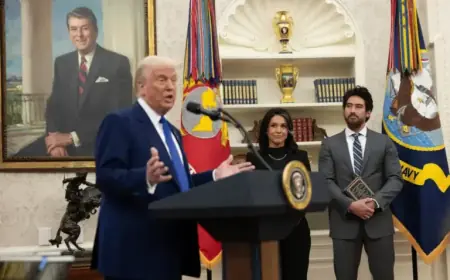
Three distinct actions define the immediate picture: the White House issued an order for U. S. agencies to stop using Anthropic AI technology; the Pentagon reached a deal with OpenAI amid what is described as a beef with Anthropic; and the president publicly lashed out at Anthropic. Those three moves happened in sequence and now intersect across procurement, defense partnerships and political messaging. The operational result for agencies is an enforced pause on Anthropic deployments; for defense contracting, it is the adoption of an alternative arrangement.
Stakeholders directly affected and likely next steps
- Federal agencies: must implement the presidential order and halt Anthropic AI tech where deployed, triggering compliance reviews and transition plans.
- Pentagon teams: are pivoting under a new agreement with OpenAI, which changes vendor roadmaps for defense-oriented projects.
- Investors and market watchers: anthropic stock is now subject to increased volatility tied to government policy and procurement outcomes.
- AI integrators and contractors: face contract renegotiations and short-term resourcing shifts as agencies and the Pentagon move between suppliers.
The real question now is how long agencies will remain barred from Anthropic technology and whether additional federal action or legal challenges will follow; those outcomes will be the primary signals that redefine market confidence.
Concise timeline of the public moves
- White House issued an order for federal agencies to stop using Anthropic AI tech.
- Pentagon reached a deal with OpenAI amid the dispute described as a beef with Anthropic.
- The president publicly lashed out at Anthropic.
Each step feeds into the next: the order affects agency operations, the Pentagon’s deal shifts defense procurement, and presidential comments amplify reputational effects.
Signals that would confirm a longer-term shift
Watch for formal procurement amendments, contract terminations or rapid vendor onboarding by agencies that would indicate the pause is becoming permanent. If agencies issue transition timelines or the Pentagon expands its stated work under the new agreement, those would be clear confirmations. Conversely, any reversal of the order or renewed contracting with Anthropic would signal a de-escalation.
It’s easy to overlook, but procurement rules and contracting timelines mean the practical fallout may play out over weeks to months even if headlines move faster; short-term market reactions may not reflect the full operational timeline.
Writer's aside: past procurement disruptions have often left vendors exposed to both immediate revenue loss and prolonged reputational damage; companies and investors should treat near-term developments as the start of a wider review rather than a single decisive outcome.