























Anthropic, Anthropic Stock, and Claude AI Collide With Trump Declares War Rhetoric in Washington’s New AI Fight

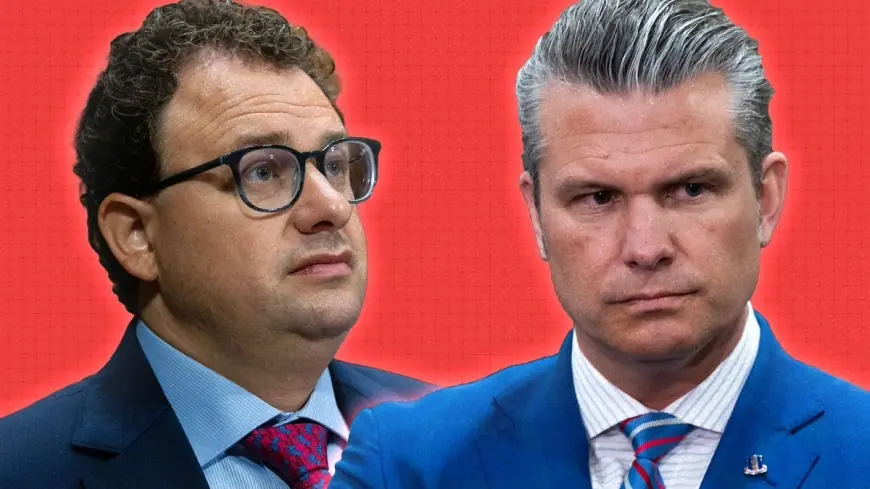
In the latest U.S. policy clash over ai, Anthropic and its Claude AI models have become a flashpoint after the White House and Pentagon moved to cut off federal use of the company’s technology on Friday, Feb. 27, 2026 (ET). The dispute is reverberating across global markets and boardrooms from the U.S. and Canada to the UK and Australia, where governments and enterprises are watching how quickly national security demands can reshape the competitive landscape for frontier AI.
What Is Anthropic
What is anthropic: Anthropic is a U.S.-based AI company founded by former AI researchers and known for building large language models under the Claude brand. Its public positioning has emphasized safety and controlled deployment, describing guardrails as a core part of how its models are trained and released. That safety-first identity is now at the heart of a high-stakes standoff with U.S. defense officials over how Claude AI can be used in military and intelligence contexts.
Anthropic AI and Anthropic Technology at the Center of a Federal Freeze
The Trump administration ordered federal agencies to stop using anthropic technology after the Defense Department designated Anthropic a “supply chain risk,” effectively severing a major government relationship and signaling broader limits on the firm’s participation in defense-adjacent work. Defense Secretary Pete Hegseth publicly backed the decision, framing it as a national security necessity tied to the government’s ability to operate AI tools without restrictions it considers operationally limiting.
Anthropic’s leadership, led by CEO Dario Amodei, has treated the confrontation as a test case for whether AI companies can refuse government demands that conflict with their safety frameworks. The clash has placed anthropic ai governance front and center: if a model provider declines to relax safeguards for surveillance or autonomous-force applications, the government can attempt to route around that provider entirely.
Anthropic Stock: Why “Anthropic Stock” Doesn’t Trade, and What Investors Are Watching
Interest in anthropic stock has surged alongside the political news, but Anthropic is not publicly listed and does not have a widely traded common share available to everyday investors. Market chatter about a future listing has intensified in recent months, particularly after reports of large private funding rounds and discussions of a potential public offering timeline.
For investors in the U.S., UK, Canada, and Australia, the immediate impact is indirect: companies perceived as beneficiaries of shifting federal AI contracts can move on sentiment, while private firms like Anthropic are judged through valuation benchmarks, venture funding signals, and strategic partnership momentum rather than a public ticker.
Trump Anthropic: Policy Pressure Meets the OpenAI Countermove
The trump anthropic conflict has also elevated OpenAI as a potential alternative supplier. In parallel with the federal restrictions on Anthropic, OpenAI leadership under Sam Altman highlighted a new defense-related agreement that emphasizes human oversight and limits on certain sensitive use cases.
This creates a narrow but crucial distinction for Washington: officials appear to be seeking models that can support defense workflows while still maintaining publicly stated guardrails. The competition is not only about capability, but also about which company can maintain credibility with enterprise customers—especially in regulated environments—while meeting government requirements.
Trump Declares War: How the Phrase Is Feeding a Broader AI-National Security Moment
The phrase trump declares war has been trending alongside the Anthropic dispute, amplified by separate national security developments and escalating rhetoric around U.S. military action. On Saturday, Feb. 28, 2026 (ET), Trump described expanded U.S. combat operations involving Iran, fueling public debate over whether the country is entering a wider conflict and what authorities are being used.
That broader wartime posture matters for AI policy because the most intense pressure on model guardrails typically emerges during periods of heightened security operations. The argument from hawks is speed and flexibility; the argument from safety-focused builders is risk containment, oversight, and the prevention of misuse. In that environment, AI governance is no longer a niche technology issue—it becomes a national power question.
Latest: Where This Leaves Anthropic, OpenAI, and Government AI Rules
The next steps will likely include legal challenges over the supply chain risk designation, procurement reshuffling, and tighter definitions of acceptable AI guardrails for federal work. Enterprises outside government—especially defense contractors and critical infrastructure operators—are watching closely, since restrictions can cascade through vendor requirements and compliance checklists.
| Topic | What’s Happening Now (ET) | Why It Matters |
|---|---|---|
| Anthropic | Federal agencies instructed to phase out use after a supply chain risk label (Feb. 27, 2026) | Cuts a major customer channel and raises reputational stakes |
| Claude AI | Guardrails at the center of the dispute | Sets a precedent for model constraints under government pressure |
| Dario Amodei | Defending Anthropic’s safety posture publicly | Signals whether refusal is sustainable at scale |
| OpenAI | Expanding defense-related engagement under stated limits | Positions OpenAI as a default alternative for federal adoption |
| Sam Altman | Framing defense use around oversight | Competes on both capability and governance narrative |
| Pete Hegseth | Driving a tougher procurement posture | Could reshape the rules for all AI vendors seeking federal work |
| Trump declares war rhetoric | Intensifying security posture alongside AI procurement fights (Feb. 28, 2026) | Heightens urgency and magnifies the policy consequences of AI deployment |
For now, the “latest” reality is a widening split between AI builders who treat safety guardrails as non-negotiable and a U.S. national security apparatus that increasingly views those guardrails as negotiable in moments of conflict. The outcome will shape not just one company’s future, but the operating rules for AI across government and industry in 2026.