
























Fire Boulder wildfire burning southwest of Chautauqua; crews respond

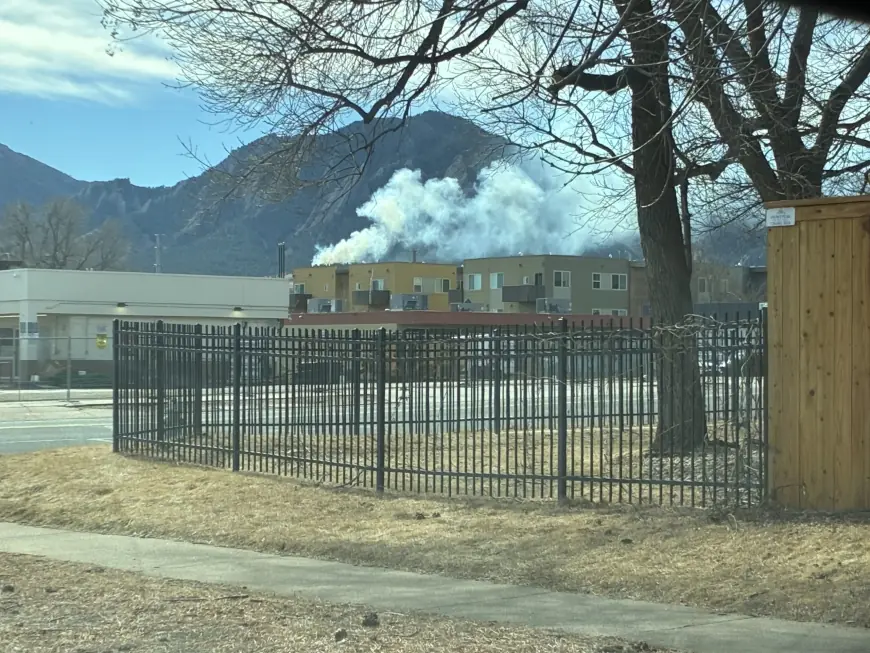
Crews with Boulder Fire-Rescue are responding to the Bluebell wildfire burning southwest of Chautauqua in a developing incident; the situation was last updated at 1: 25 p. m. ET on Feb. 28. The fire boulder event was initially estimated at roughly half an acre and prompted the dispatch of aerial resources and several engines as smoke remained visible in the area.
Fire Boulder response under way
First-unit estimates placed the Bluebell wildfire at about half an acre, burning in light, flashy fuels and moving into nearby trees at a moderate rate. Two helicopters were called in to assist, and crews worked to secure a water supply while suppression efforts continued. Around 1: 20 p. m. ET, four engines and a module were ordered to the scene and smoke was visible from nearby vantage points. Officials described the situation as developing, with more information expected as response activities proceed.
fire boulder size and containment outlook
The combination of light, flashy fuels and active tree involvement prompted the rapid assignment of both ground and air resources. At the reported size, control is commonly achievable if water supply and suppression lines can be established quickly; if crews are delayed in securing water or if the fire moves into heavier fuels, containment could become more difficult. The midday update timestamp provides a firm reference point for the current status, and responders continued efforts to hold the blaze while monitoring behavior on the slope southwest of Chautauqua.
AI-generated alerts have sent false warnings
Separately, residents across Boulder County have recently received AI-generated emergency notifications that misidentified or misstated incidents. One community received an alert about a commercial blaze downtown that proved to be a misread of radio traffic from a training exercise; a screenshot of the alert circulated on social media and prompted local officials to note the need for verification before sharing or acting on such messages. A fire district said it will move some communications to a tactical channel that does not air publicly to reduce the chance of automated misinterpretation.
Similar AI-driven alerts have produced false reports in other nearby communities. In one instance, an alert described an apartment fire with no specific location while city officials had received no reports of such an incident; in another, a summary misheard a dispatch term and suggested a firefighter had been taken to the hospital when that was not the case. At the same time, the same automated systems have posted accurate summaries when linked dispatch audio clearly described medical emergencies and traffic incidents. Those apps operate by monitoring publicly available dispatch audio and using artificial intelligence to generate summaries and push alerts.
Local agencies and residents face a dual challenge in the current environment: managing live wildland incidents on the ground while also navigating the recent proliferation of automated notifications that can be inaccurate or incomplete. A district spokesperson emphasized plans to shift sensitive communications to nonpublic channels and highlighted the importance of verifying emergency information through multiple reliable sources.
- Bluebell wildfire estimated at about half an acre; helicopters and multiple engines deployed; last update 1: 25 p. m. ET.
- AI-driven notification apps have misinterpreted public dispatch audio, producing false alerts in multiple communities.
- Fire agencies will use nonpublic tactical channels for some communications; residents are reminded to verify alerts through multiple channels.